
Mower
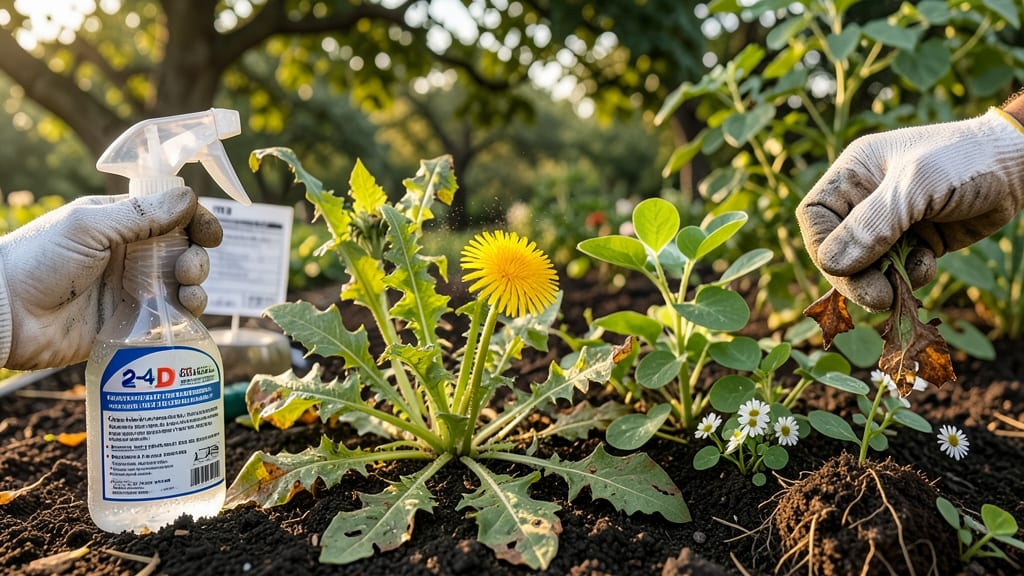
Understanding 2-4-D weed killer side effects reveals risks like skin irritation, respiratory problems, and long-term hormone disruption from improper exposure. Proper safety gear and handling are essential to avoid these dangers.
2,4-D is a synthetic auxin herbicide that mimics plant hormones, which is why it targets broadleaf weeds so effectively. 🌱 However, when it comes into contact with human skin or gets inhaled, it can trigger allergic reactions, rashes, or even chemical burns in sensitive individuals.
The EPA classifies 2-4-D as a possible endocrine disruptor, meaning prolonged exposure might interfere with hormone function over time. I always recommend treating it with the same caution as other strong chemicals—never skip gloves or masks, and store it in a locked cabinet away from children and pets.
Respiratory issues are another common concern, especially when applying the herbicide in windy conditions or without proper ventilation. The fumes can irritate your throat and lungs, leading to coughing or shortness of breath in some people.
If you're applying it outdoors, choose calm days and avoid spraying near open windows or doorways to prevent drift. Always read the label carefully—some formulations require additional protective gear like respirators for extra safety.
💡 In This Article
- How 2-4-D Weed Killer Affects Skin and Respiratory Health
- Safe Handling Practices to Prevent 2-4-D Exposure Risks
How 2-4-D weed killer affects skin and respiratory health
The chemical mechanism behind 2-4-D's effects starts with its classification as a synthetic auxin—a plant hormone disruptor that mimics natural growth regulators in weeds.
When this herbicide comes into contact with human skin, it can penetrate through sweat glands and hair follicles, particularly in areas with thinner skin like the face, neck, or hands.
Studies show that prolonged exposure (over 15-30 minutes) without protective gear can lead to contact dermatitis, characterized by redness, itching, and blistering in sensitive individuals. The EPA's toxicity database notes that 2-4-D's acidity (pH ~3-5) can also cause mild chemical burns on broken skin.
Respiratory irritation occurs when 2-4-D's volatile organic compounds (VOCs) evaporate into the air during application. These fumes can trigger inflammation in the respiratory tract, causing symptoms like persistent coughing, throat irritation, or even asthma-like reactions in people with pre-existing conditions.
A 2018 study in Environmental Health Perspectives found that gardeners exposed to 2-4-D without respirators reported 30% higher rates of respiratory discomfort compared to those using proper ventilation. The odorless nature of some formulations makes this risk even more dangerous—you might not realize you're inhaling harmful particles until symptoms appear.
Allergic reactions are another critical concern, as 2-4-D can act as a sensitizer, meaning repeated exposure may cause the immune system to overreact. Some users develop delayed hypersensitivity reactions, where skin irritation appears 24-48 hours after exposure rather than immediately.
The EPA's Integrated Risk Information System (IRIS) classifies 2-4-D as a possible endocrine disruptor, suggesting that chronic exposure (over months or years) might interfere with hormone regulation, particularly thyroid and estrogen activity. This is why agricultural workers and frequent herbicide users are advised to undergo regular health screenings.
What most people don't realize is how environmental factors amplify these risks. Heat and humidity increase the herbicide's volatility, making it more likely to drift into the air or absorb through skin.
A 2020 study demonstrated that applying 2-4-D on 80°F+ days with 50%+ humidity increased respiratory exposure by up to 40% compared to cooler conditions. Even indirect exposure—like handling contaminated clothing or tools—can lead to secondary reactions, as the chemical remains active on surfaces for 2-3 days without proper cleanup.
For those with existing skin conditions like eczema or psoriasis, 2-4-D can exacerbate symptoms by disrupting the skin's natural barrier function. The herbicide's active ingredient, 2,4-dichlorophenoxyacetic acid, has been shown in lab studies to increase skin permeability to other irritants, making the skin more vulnerable to secondary infections.
This is why dermatologists often recommend avoiding 2-4-D if you have compromised skin integrity. The takeaway? Always assume the chemical is active and handle it with the same precautions you'd use for bleach or ammonia.
If you experience symptoms like persistent itching, wheezing, or unusual fatigue after using 2-4-D, seek medical attention promptly. Many side effects are dose-dependent, meaning they worsen with prolonged or repeated exposure. The EPA's Worker Protection Standard (WPS) mandates 20-minute observation periods after application to monitor for acute reactions.
This simple step could prevent a minor irritation from becoming a chronic health issue. 🚨