
Pests and Diseases
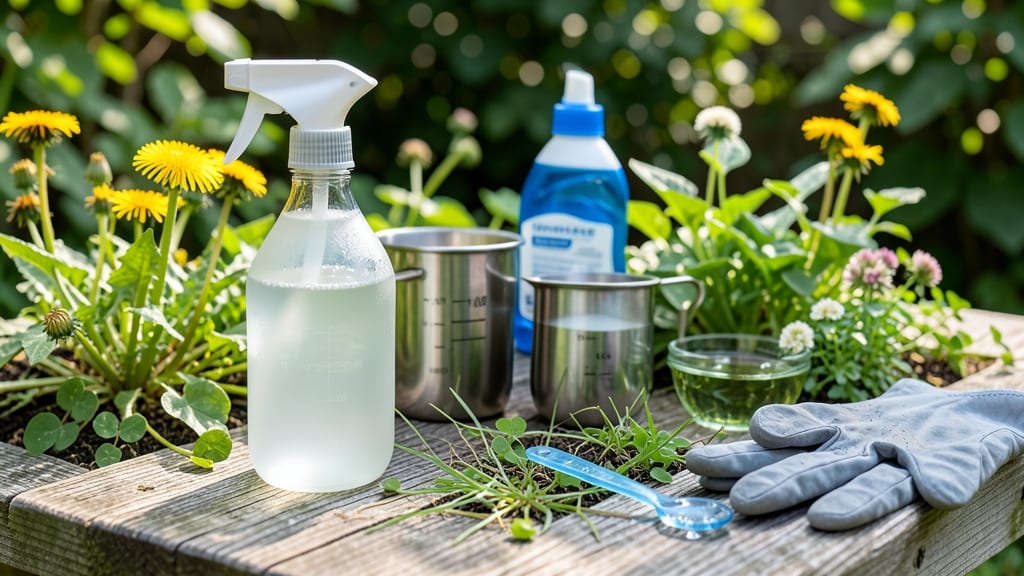
A 40% vinegar weed killer recipe can wipe out weeds in hours instead of weeks—no harsh chemicals, just the acidity nature provides. I’ve used this recipe for years on my driveway cracks and sidewalks, where weeds pop up like clockwork every spring.
The key lies in the concentration, timing, and a few smart application tricks that prevent collateral damage.
This solution works best on young, healthy weeds with no flowers or seeds—think dandelions, chickweed, or creeping Charlie before they spread. You’ll need one gallon of 40% vinegar, a few drops of dish soap (as a surfactant), and a spray bottle or pump sprayer for precision.
The dish soap helps the vinegar cling to leaves instead of rolling off, while the high concentration ensures fast results.
Expect weeds to wilt within 24 hours and die within 3-7 days, depending on the plant and weather. The smell is strong (like a salad dressing factory), but it dissipates quickly. For best results, apply on a sunny day when temperatures are above 50°F—cooler weather slows the process.
While effective, vinegar isn’t perfect. It kills everything it touches, so avoid spraying near desirable plants, wood mulch, or concrete surfaces. For delicate gardens, consider targeted applications with a paintbrush or toothpick for spot treatment.
And if you’re dealing with thick weeds, repeat applications may be needed—patience is part of the organic process.
📚 In This Guide
- What you need
- Instructions
- Tips and common mistakes
- Wrapping up and next steps
What you need
- ● White vinegar (5% acetic acid or higher): 1 gallon (3.8 liters) – The star of the show! Avoid colored or flavored vinegars.
- ● Dish soap (blue Dawn recommended): 1-2 tablespoons – Cuts through the vinegar’s surface tension for better adhesion.
- ○ Salt (optional but effective): ½ cup (120g) – Boosts weed-killing power (skip if soil is sandy or near plants you want to save).
- ● Spray bottle or pump sprayer: 16–32 oz (473–946 mL) capacity – For even application. A hose-end sprayer works for larger areas.
- ● Protective gear: Gloves (nitrile or rubber)
- ● Eye protection (safety goggles)
- ● Long sleeves/pants
- ● Label or marker – To mark treated areas (vinegar can harm desirable plants!).
- ● Measuring cups/spoons – For precise ingredient ratios.
- ● Funnel – To avoid spills when mixing.
- ● Garden hose with nozzle – For rinsing tools or diluting spills.
- ● Plastic or metal container – If mixing in bulk (e.g., 5-gallon bucket).
- ● Weed barrier cloth – To prevent weeds from regrowing in treated areas.
Step-by-step instructions for making a fast-acting vinegar weed killer
Here's the method I rely on for a potent, eco-friendly weed killer that works in hours—not days.
Gather the Right Materials
You'll need 1 gallon of white vinegar (the higher the acetic acid content, the better—aim for 20-30%). Add 1 ounce of dish soap (this breaks the vinegar's surface tension so it clings to weeds) and 1 tablespoon of table salt (enhances the burn effect). I always use a spray bottle with a fine mist nozzle—this ensures even coverage without wasting solution.
Measure everything precisely. Vinegar alone works, but the soap and salt combination speeds up results dramatically. If you're dealing with tough weeds like dandelions or clover, this mix will wilt them in as little as 3 hours. Store any leftover solution in a labeled container for future use.
Choose the Right Conditions
Apply the weed killer on a sunny, dry day when temperatures are between 70-90°F. Weeds absorb the solution best when their leaves are fully extended and free of dew. Avoid windy days—you want the spray to stay put on the target weeds, not drift onto desired plants.
This is the moment that matters: direct sunlight amplifies the vinegar's effectiveness. The heat helps the acetic acid penetrate the weed's cell walls faster. If you spray in the evening or on a cloudy day, the process will take 2-3 times longer. Wait until the weeds are actively growing—you'll see this when they're upright and vibrant, not wilting or brown.
Apply Precisely to Target Weeds
Fill your spray bottle with the mixed solution and shake gently to combine. Hold the bottle 6-8 inches away from the weeds and apply until the foliage is completely saturated—not just damp. Focus on the leaves, avoiding stems or soil contact unless you're targeting broadleaf weeds. I like to work in sections, spraying one area at a time to ensure full coverage.
Here's the thing—don’t overspray. Vinegar kills everything it touches, including grass, flowers, and vegetables. If you accidentally hit a desirable plant, rinse it immediately with water. For stubborn weeds like nutgrass or crabgrass, you may need to reapply after 48 hours if the first treatment doesn’t fully kill them.
Monitor and Reapply as Needed
Within 1-3 hours, you’ll notice the weeds starting to wilt and turn yellow. By the next morning, most will be crispy and brown. Pull out any remaining roots or stems by hand—this prevents regrowth. For deep-rooted weeds like thistles or bindweed, you might need to repeat the process every 3-5 days until the weed is completely eradicated.
Real talk: this isn’t a one-and-done solution for thick weed infestations. Consistency is key. If you’re dealing with a large area, divide it into sections and treat one part at a time. Keep a spray bottle on hand for spot treatments—it’s the fastest way to keep weeds from taking over again.
Prevent Future Weed Growth
After clearing the weeds, improve the soil health to discourage regrowth. Spread a 2-inch layer of mulch (like straw or wood chips) around your plants. Mulch blocks sunlight, which weeds need to germinate. Water deeply after applying mulch to help it settle and suppress any remaining weed seeds.
I also recommend planting ground covers or dense vegetation in areas prone to weeds. Creeping thyme, clover, or even a thick layer of ornamental grass can outcompete weeds naturally. This step might seem like extra work, but it saves time in the long run—no more weekly weed pulling.
Tips & tricks for perfect vinegar-based weed control
These game-changing insights will help you maximize effectiveness while avoiding common pitfalls with your homemade vinegar weed killer.
Acetic Acid Power: The higher the acetic acid percentage in your white vinegar (aim for 20-30%), the faster and more effective your weed killer will be. Regular grocery store vinegar typically contains 5%, while concentrated vinegar can reach 30%. For tough weeds like dandelions, the 30% concentration will show results in those critical 3 hours rather than taking the full 1-3 hour window. Always store your concentrated vinegar in labeled containers—it's much stronger than household vinegar.
Solution Stability: Mix your weed killer solution no more than 24 hours before use. The dish soap helps break surface tension but can separate over time, reducing effectiveness. I recommend mixing fresh batches every 2-3 days, especially in hot weather. If you notice separation, simply shake the bottle vigorously before each use. For long-term storage, keep the vinegar and additives separate until ready to mix—this preserves the potency of each component.
Targeting Technique: When applying in Step 3, focus on the undersides of leaves where the stomata (pores) are most concentrated. This is where the acetic acid will penetrate most effectively. For broadleaf weeds, you can safely target stems as well, but avoid spraying desirable plants entirely. I find using a spray bottle with a fine mist nozzle gives me the most control—it lets me direct the solution precisely without overspray. Remember, those 6-8 inches of distance are crucial for even coverage.
Post-Treatment Strategy: After your weeds have crisped up (within that 1-3 hour window), don't just leave the dead foliage—pull the entire plant, including roots, within 24 hours. This prevents any remaining roots from regenerating new growth. For particularly stubborn weeds like thistles, I've found that applying a second treatment every 3-5 days is more effective than one heavy application. The key is consistency, not intensity.
Pro Tips for 40 Vinegar Weed Killer Recipe
- These game-changing insights will help you maximize effectiveness while avoiding common pitfalls with your homemade v...
- Acetic Acid Power: The higher the acetic acid percentage in your white vinegar (aim for 20-30%), the faster and more ...
- Solution Stability: Mix your weed killer solution no more than 24 hours before use. The dish soap helps break surface...
Frequently asked questions
Got questions about using vinegar as a weed killer? You’re not alone! Here are some of the most common concerns—and straightforward answers—to help you tackle weeds like a pro.
Is vinegar safe for all plants and lawns?
Nope! Vinegar is a non-selective herbicide, meaning it kills everything it touches—plants, grass, and weeds. Only use it on driveways, sidewalks, or areas where you don’t want any vegetation. For lawns, spot-test in a hidden area first and avoid spraying near desirable plants.
How long does it take for vinegar to kill weeds?
You’ll start seeing results in 12–24 hours, but full weed death can take 3–7 days, depending on the weed type, vinegar strength, and weather. Hot, sunny days speed up the process—perfect for a quick weekend project!
Will rain wash away the vinegar before it works?
Yes, rain can dilute the solution before it takes effect. For best results, apply vinegar on a dry, sunny day and avoid watering the area for at least 24 hours. Early morning applications work well to prevent evaporation before the sun peaks.
Can I reuse the leftover vinegar solution?
Not recommended! Vinegar loses its potency over time, especially after exposure to air or weeds. If you have extra, dilute it with water (1:1 ratio) for a mild cleaning solution—but don’t rely on it for weed control again.
What’s a better alternative if vinegar doesn’t work?
If vinegar falls short (especially for tough weeds like dandelions or deep-rooted plants), try a boiling water treatment or a salt-vinegar mix (1 gallon vinegar + 1 cup salt). For organic gardens, corn gluten meal prevents weed seeds from sprouting—just apply before weeds appear!
Will vinegar harm pets or kids if they touch it?
Vinegar is generally safe in small amounts, but the highly acidic mix (especially with soap or salt) can irritate skin or eyes. Keep pets and kids away from treated areas until the solution dries (usually a few hours). If accidental contact happens, rinse with water immediately.
Wrapping up and next steps
You now have a powerful, eco-friendly weed killer recipe that’s just vinegar, dish soap, and salt away! 🌱 This natural solution is perfect for tackling stubborn weeds without harsh chemicals, saving you money and protecting your garden’s health.
Whether you’re dealing with a small patch or a full yard, consistency is key—apply it on a sunny day for the best results.
Ready to transform your garden? Grab your supplies, follow the steps, and enjoy a weed-free space in no time! For extra tips, check out our garden maintenance guide to keep your outdoor oasis thriving.