
Pests
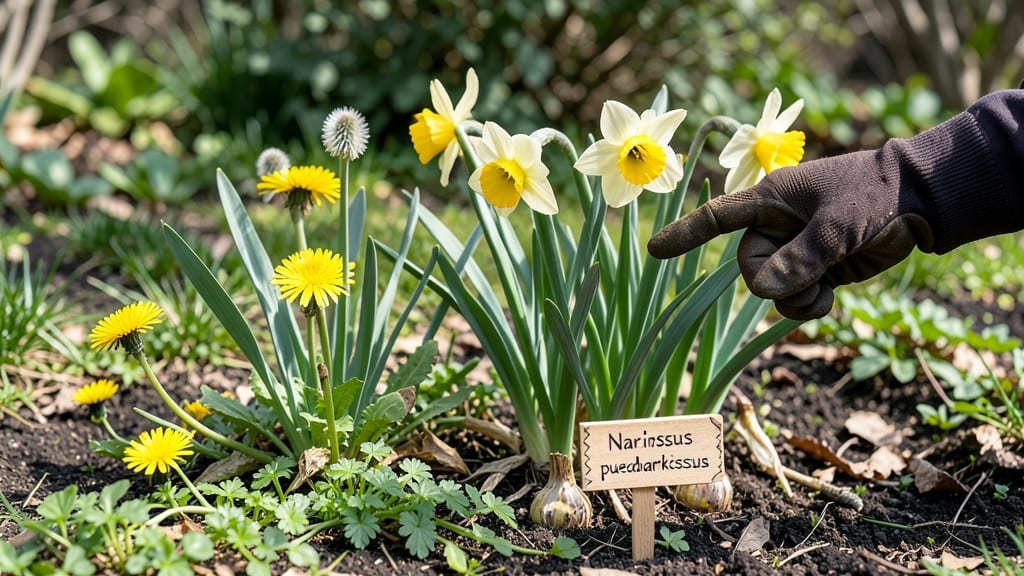
Daffodils are not weeds—they are prized spring-blooming perennials with ornamental value. Unlike true weeds, they don’t spread aggressively or crowd out native plants; however, some invasive daffodil species (e.g., Narcissus pseudonarcissus) can behave like weeds in uncontrolled gardens.
Daffodils belong to the Narcissus genus and are deliberately cultivated for their vibrant blooms and early spring color. 🌼 True weeds, however, are typically fast-spreading plants that disrupt ecosystems by outcompeting native flora or damaging soil health.
The confusion often arises because daffodils can self-seed prolifically, but their bulbs remain contained in garden beds—unlike aggressive weeds that spread through rhizomes or wind-dispersed seeds.
What sets daffodils apart is their controlled growth habit. While they may multiply over time, most varieties stay within their planted area, making them ideal garden plants rather than invasive pests. The key difference lies in their intended cultivation—daffodils are bred for beauty, not survival dominance.
This distinction becomes especially clear when comparing them to true weeds like garlic mustard, which aggressively displaces native wildflowers.
💡 In This Article
- Botanical Differences: Daffodils vs. True Weeds
- Managing Daffodils in Gardens: When They Act Like Weeds
Botanical differences: daffodils vs. true weeds
Daffodils (Narcissus spp.) belong to the Amaryllidaceae family and are classified as perennial bulbs, meaning they grow from underground storage organs that regenerate each year.
True weeds, on the other hand, are typically annuals or perennials that thrive by outcompeting native plants through rapid growth, prolific seeding, or aggressive root systems.
The key botanical difference lies in their reproductive strategies: daffodils produce flowers that attract pollinators but rarely develop viable seeds unless cross-pollinated with compatible varieties. Most garden daffodils are sterile hybrids, designed to bloom beautifully without spreading uncontrollably.
Weeds like creeping buttercup (Ranunculus repens) or garlic mustard (Alliaria petiolata) spread through rhizomes or wind-dispersed seeds, creating dense mats that smother other plants. Daffodils, however, rely on bulb offsets—small bulblets that form around the parent bulb.
These offsets multiply over time but stay within a 6-12 inch radius of the original planting, unlike weeds that can spread 10+ feet annually.
The bulb's natural growth pattern also makes daffodils resistant to being uprooted by garden tools, a common trait among invasive weeds that thrive in disturbed soils.
Another critical distinction is ecological impact. True weeds often disrupt ecosystems by forming monocultures that deplete soil nutrients or host pests that harm native plants. Daffodils, however, are non-toxic to wildlife and don't attract pests like aphids or slugs (which often target true weeds).
Their bulbs contain lycorine, a compound that deters herbivores, making them a natural pest deterrent in gardens. This chemical defense is why deer typically avoid daffodil beds—unlike many weeds that provide little ecological value.
Consider the case of Narcissus pseudonarcissus (wild daffodil), which can behave more like a weed in naturalized settings. Unlike cultivated varieties, wild daffodils produce fertile seeds that germinate readily, creating dense colonies.
However, even these species don't spread as aggressively as true weeds because their bulbs remain contained in the soil rather than forming expansive root networks. The confusion often arises because gardeners may see daffodil seedlings popping up unexpectedly, but these are easily removed without harming the garden ecosystem.
To put it simply: weeds are unwanted guests that take over, while daffodils are invited performers that stay in their designated spots. The botanical truth is that daffodils lack the three key weed traits**: rapid, uncontrolled spread; ecological harm; and persistence in unwanted areas.
Their controlled growth makes them perfect for garden borders and woodlands where their early spring blooms provide vital nectar for pollinators—something true weeds rarely offer.