
Advice
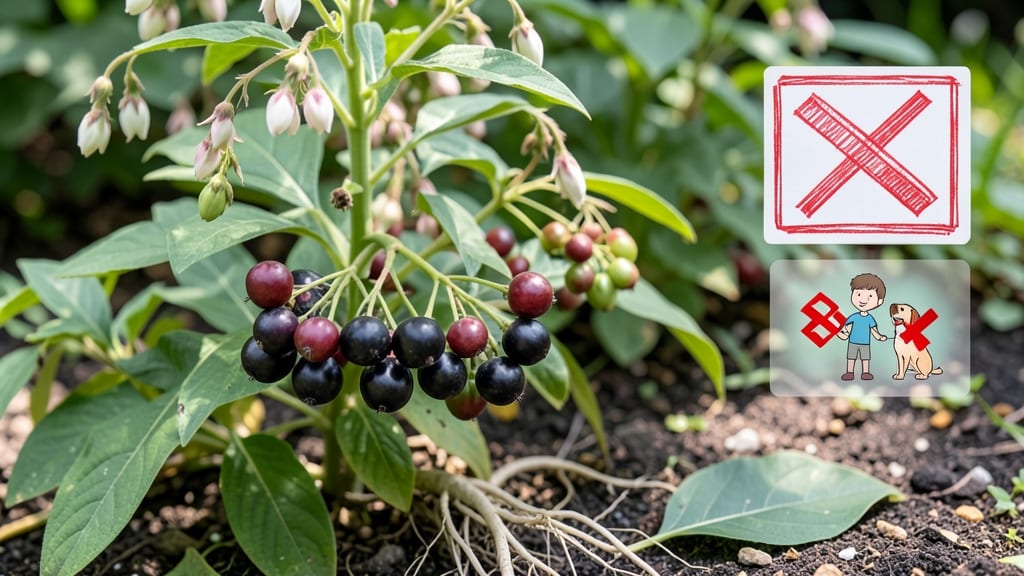
Yes, pokeweed berries are poisonous, containing dangerous compounds like phytolaccatoxin that trigger severe vomiting, diarrhea, and even organ damage if consumed. Every part of the plant—roots, stems, and berries—carries serious risks, particularly for children and pets.
Pokeweed's toxicity stems from multiple harmful compounds working together. The phytolaccatoxin alone can cause rapid gastrointestinal distress, while saponins create a soapy mouthfeel that masks the plant's danger.
Even small amounts can lead to neurological symptoms like dizziness or confusion. 🚨 What makes this especially concerning is that the berries resemble edible fruits, often attracting curious children and wildlife. If you suspect ingestion, seek medical attention immediately—symptoms can escalate quickly.
Identifying pokeweed is crucial for safety. The plant features purple-streaked stems and clusters of dark purple berries that turn black when ripe. For removal, wear gloves and dispose of the entire plant in sealed bags—never compost it.
Gardeners should also watch for regrowth, as pokeweed spreads aggressively through seeds. If you're unsure about a plant's identity, consult local extension services before attempting removal.
💡 In This Article
- Toxic Compounds in Pokeweed Berries and Their Effects
- Safe Handling and Removal of Pokeweed from Gardens
Toxic compounds in pokeweed berries and their effects
Pokeweed's danger comes from a toxic cocktail of compounds, with phytolaccatoxin being the most potent. This compound acts as a potent irritant, triggering violent vomiting and diarrhea within 30-60 minutes of ingestion.
Studies show even 1-2 berries can cause symptoms in children, while adults might need 5-10 berries to experience effects. The berries contain 0.2-0.5% phytolaccatoxin by weight—enough to make them deadly if consumed in large quantities.
Saponins in pokeweed create another layer of toxicity by disrupting cell membranes. These compounds cause a soapy mouthfeel that can mask the plant's true danger, making accidental ingestion more likely. Oxalates in the berries also contribute by binding calcium in the body, potentially leading to kidney damage with prolonged exposure.
The combination of these toxins creates a multi-system assault that can progress from gastrointestinal distress to neurological symptoms like confusion or seizures in severe cases.
What makes pokeweed particularly insidious is how its toxicity varies by plant part. The berries contain the highest concentration of phytolaccatoxin, but the roots have even more saponins (up to 10% by weight), making them especially dangerous if mistaken for medicinal roots.
The leaves contain moderate levels of both toxins, while the stems have lower concentrations but still pose risks. This variation means every part of the plant requires careful handling.
Symptoms typically appear within 1-2 hours and may include excessive salivation, abdominal pain, and even respiratory distress in severe cases.
The plant's toxicity isn't just theoretical—documented cases include children who ate berries thinking they were grapes, resulting in hospitalizations. 🚨 The key factor here is that pokeweed's effects can escalate rapidly, which is why immediate medical attention is critical if ingestion is suspected.
Interestingly, some Native American tribes historically used pokeweed roots in small, controlled doses as a purgative, but this required extensive preparation to reduce toxicity. Modern processing techniques can't safely neutralize these compounds, making all parts of the plant inherently dangerous.
The LD50 (lethal dose for 50% of test subjects) for pokeweed berries in animal studies is estimated at 4-8 berries per kilogram of body weight, highlighting the narrow margin between harmless exposure and life-threatening poisoning.