
Pests
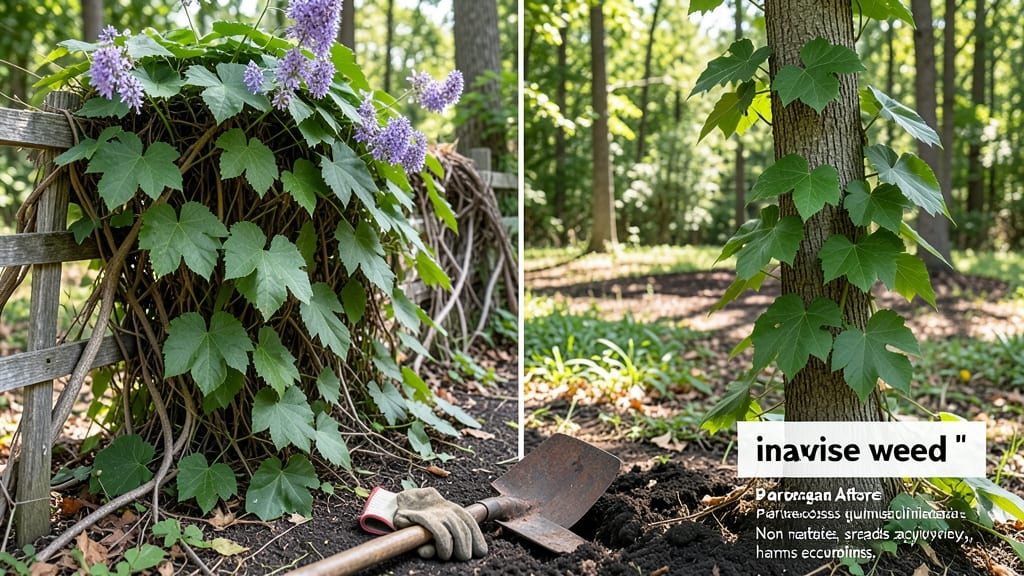
Weeds are not always invasive species, though some can become invasive depending on their growth habits, spread rate, and impact on native ecosystems. True invasive weeds disrupt local plant life and ecosystems, while common weeds may simply be unwanted in gardens or lawns.
Not all unwanted plants qualify as invasive species—it's really about their behavior and ecological impact. Weeds are typically defined as plants growing where they're not wanted, like dandelions in your lawn or clover in your vegetable garden. 🌱 They're often just opportunistic plants that thrive in disturbed soil, but they don't necessarily spread aggressively or harm native plants.
Invasive species, on the other hand, actively outcompete native plants, often through rapid growth, prolific seeding, or underground root systems that make them nearly impossible to eradicate.
For example, kudzu is a classic invasive weed that smothers entire ecosystems, while crabgrass is more of a garden nuisance. The key difference lies in their ecological footprint—what's a weed in your backyard might be an ecological disaster in a natural habitat.
Understanding this distinction helps gardeners and land managers make informed decisions about control methods and prevention strategies.
💡 In This Article
- How Weeds Differ From True Invasive Plant Species
- Identifying Problematic Weeds in Gardens and Landscapes
How weeds differ from true invasive plant species
The core difference lies in their ecological behavior and spread mechanisms. Weeds are simply plants growing where humans don't want them - they may spread quickly but rarely cause lasting ecological damage.
Their spread often relies on wind-dispersed seeds like dandelions (producing up to 200 seeds per plant) or shallow root systems that allow them to exploit disturbed soil.
True invasive species, however, develop specialized adaptations like underground rhizomes (Japanese knotweed can spread 7 feet per year) or chemical warfare through allelopathic compounds that suppress native plant growth.
Botanically, the distinction becomes clearer when examining reproductive strategies. Most weeds produce copious amounts of seeds (like crabgrass with 150 seeds per square foot) but lack the persistence of invasive species.
Kudzu, for instance, produces 10-20 seeds per pod but its real power comes from its rapid vine growth (up to 1 foot per day) and ability to fix nitrogen in soil, creating a self-sustaining ecosystem that crowds out native plants.
The ecological harm threshold becomes evident when these plants alter entire landscapes - a single kudzu plant can cover 1 acre in 5 years.
What makes this distinction critical is how each type responds to human intervention. Weeds typically retreat when their preferred growing conditions (disturbed soil, sunlight) are removed, while invasive species often require multiple years of treatment due to their persistent root systems.
For example, garlic mustard can regenerate from root fragments as small as 1/4 inch, making manual removal ineffective without specialized equipment. This persistence creates what ecologists call "ecological debt" - the long-term damage that continues even after visible plants are removed.
Consider the case of purple loosestrife: while it may appear as a pretty purple flower in wetlands, its roots can produce 2.7 million seeds per plant annually, completely transforming native marsh ecosystems.
The key difference is that weeds like chickweed will simply die back when their preferred conditions change, while invasive species actively reshape their environment to maintain dominance. This behavioral difference explains why gardeners can often coexist with weeds through regular mowing, while invasive species require aggressive management strategies.
The scientific community uses a three-pronged test to classify plants as invasive:
- Non-native origin,
- Self-sustaining population growth, and
- Ecological or economic harm. Weeds may meet the first two criteria but rarely cause the third.
For instance, creeping charlie spreads aggressively but doesn't alter soil chemistry like invasive species do.
This classification system helps land managers prioritize resources - what might be a $50 annual problem in a garden (like clover) could become a $10,000+ ecosystem restoration project if the same plant becomes invasive in natural areas.
Understanding these distinctions helps explain why some "weeds" become ecological nightmares while others remain mere nuisances. The transformation often depends on environmental context - a plant considered harmless in one region might become invasive when introduced to new ecosystems without natural predators.
This ecological flexibility is what makes the study of plant invasions so complex and why gardeners should always research before introducing new plant species to their landscapes.