
Pests
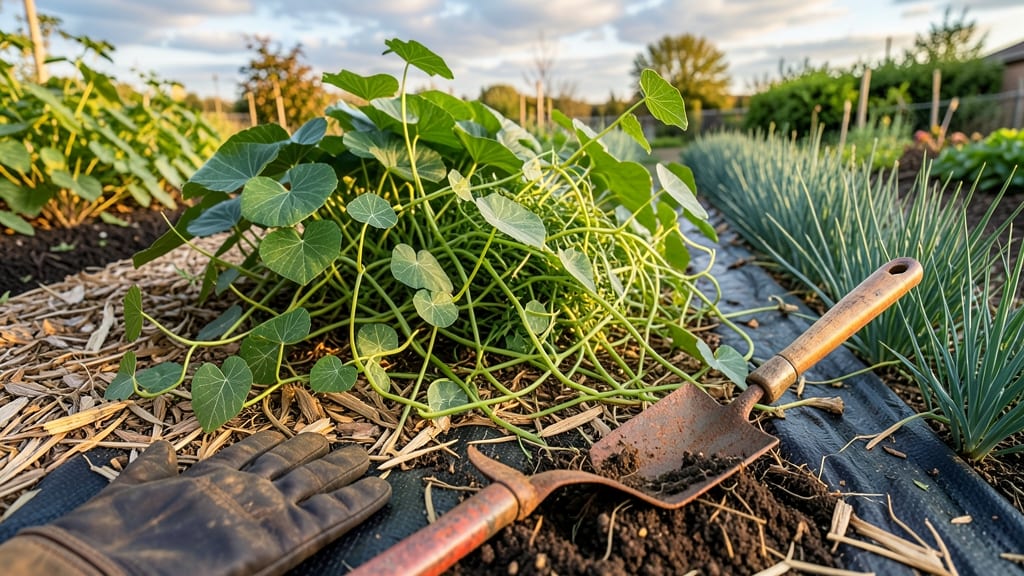
Black bindweed is one of the most aggressive invasive plants, spreading rapidly through deep underground rhizomes and prolific seed production that smother native vegetation. Effective control demands a combination of immediate manual removal, persistent mulching, or precise herbicide application during peak growth seasons.
This persistent vine can grow 10-15 feet per season while its roots extend 10+ feet deep, making complete eradication challenging without the right approach. 🔥 The plant's ability to thrive in poor soil conditions and its rapid seed dispersal—up to 1,500 seeds per plant—explain why it dominates landscapes so quickly.
I've seen it completely overtake vegetable gardens and flower beds within just two growing seasons if left unchecked.
For best results, combine methods: pull plants when soil is moist (they come out easier), apply 3-4 inches of thick mulch to block sunlight, and use herbicides like glyphosate only on actively growing foliage. Reapply treatments every 4-6 weeks during the growing season to prevent regrowth from dormant rhizomes.
💡 In This Article
- How Black Bindweed Invades Gardens and Landscapes
- Step-by-Step Black Bindweed Eradication Guide
How black bindweed invades gardens and landscapes
Black bindweed's invasion begins with its underground rhizomes, which grow horizontally at a rate of 6-12 inches per year while sending down vertical roots that can reach 10-15 feet deep. These thick, woody roots store energy for years, allowing the plant to regrow even after severe damage.
The rhizome system creates a dense network that blocks water and nutrients from reaching native plants, effectively suffocating them.
The plant's seed dispersal is equally aggressive—each mature vine produces 1,500-2,000 seeds that can remain viable in the soil for 5-10 years. These seeds spread via wind, water, and even animal fur, colonizing new areas rapidly.
Black bindweed thrives in disturbed soils, making construction sites, garden beds, and lawn edges prime targets. Its rapid vertical growth (up to 10 feet in a single season) allows it to quickly shade out competitors, creating monocultures that dominate entire landscapes.
Ecologically, black bindweed disrupts soil health by depleting nitrogen levels and altering microbial communities. Its dense canopy prevents sunlight from reaching the ground, which reduces biodiversity by eliminating ground covers and wildflowers.
The plant's aggressive root system also makes soil compaction worse, further stressing native plants. In agricultural settings, it can reduce crop yields by 30-50% when left unchecked.
What makes black bindweed particularly dangerous is its phenological flexibility—it can grow in all seasons where frost isn't severe, with peak activity during late spring to early fall. This extended growing window gives it a competitive edge over slower-growing native species.
The plant's ability to photosynthesize even in low light means it can outcompete most vegetation, including established shrubs and trees.
Disturbed areas are especially vulnerable because black bindweed detects soil disruption and accelerates rhizome growth in response. For example, after a garden is tilled or a lawn is aerated, bindweed rhizomes may double their growth rate in the following season.
This explains why many gardeners notice infestations suddenly appearing after soil work—what seemed like a dormant area becomes an active invasion site within weeks.
Understanding these mechanisms helps explain why mechanical removal alone often fails. Even if you pull every visible vine, 90% of the plant's biomass may remain underground in the rhizome network.
Without targeted follow-up treatments, regrowth is inevitable within 2-4 weeks. This is why integrated control methods—combining manual removal, mulching, and herbicide—are essential for long-term management.