
Pests and Diseases
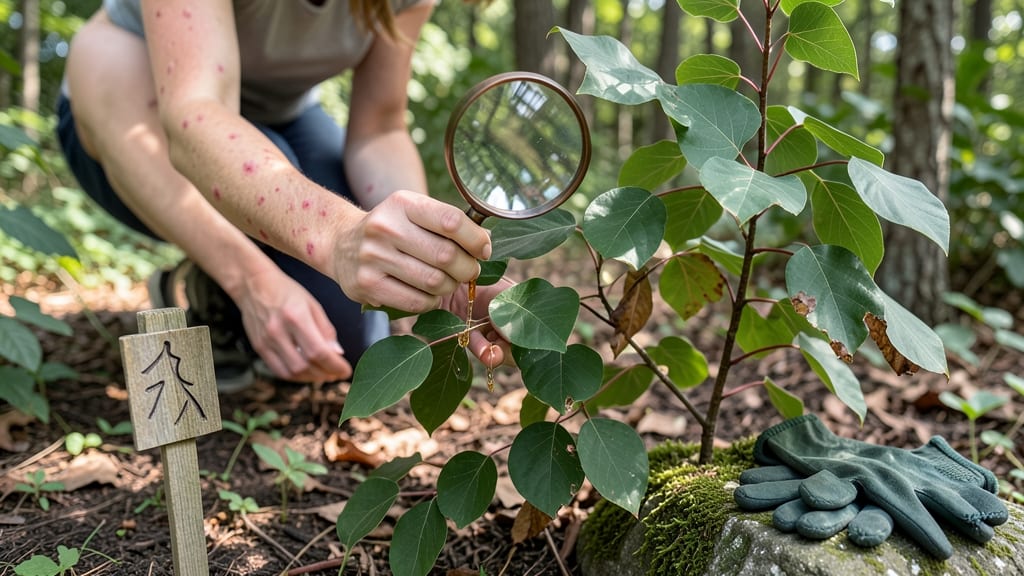
Yes, weeds can cause hives through direct skin contact with urushiol (poison ivy/oak/sumac) or through allergic reactions to plant oils, pollen, or sap exposure, especially in sensitive individuals or during active growth seasons. Symptoms often appear within hours of contact.
Many people assume hives only come from foods or medications, but certain weeds act as potent allergens. 🌿 The most common culprits are poison ivy, poison oak, and sumac, which contain urushiol—a compound that triggers an immune response in up to 85% of people.
Even less obvious weeds like nettles or lamb's quarters can provoke reactions in sensitive individuals, particularly when their pollen becomes airborne during dry weather. Dermatologists note that reactions often worsen in summer months when weeds are actively growing and releasing more irritants.
What makes this particularly tricky is that some reactions don't appear immediately. While many people experience itching within minutes to hours, others may develop hives 24-48 hours after exposure.
This delayed response explains why gardeners sometimes scratch their heads wondering what triggered their sudden outbreak. The key is recognizing high-risk weeds and taking precautions—like wearing gloves—before handling them.
💡 In This Article
- How Weed Reactions Trigger Hives and Allergies
- Safe Gardening Practices to Prevent Weed-Related Hives
How weed reactions trigger hives and allergies
The immune system reacts to weeds primarily through two pathways: direct contact with irritating compounds or exposure to airborne allergens. The most infamous culprit is urushiol, found in poison ivy, oak, and sumac.
This oily resin binds to skin proteins, creating an antigen that triggers histamine release—your body's way of signaling an allergic response. Interestingly, urushiol can remain potent even after the plant dies, lingering on tools, clothing, or pets for years. 🔥
Not all weed reactions involve urushiol. Plants like stinging nettles release formic acid through tiny hair-like structures on their leaves, causing immediate itching and hives upon contact. Meanwhile, weeds such as lamb's quarters or pigweed often trigger reactions through pollen exposure.
During dry, windy conditions, these plants release microscopic particles that can travel up to 100 feet from their source, affecting people miles away. Dermatologists note that pollen from weeds like ragweed can cross-react with similar compounds in other plants, amplifying allergic responses in sensitive individuals.
Timing plays a critical role in weed-related hives. Immediate reactions (within 15-30 minutes) typically occur with direct contact to urushiol or stinging plants, while delayed reactions (appearing 24-72 hours later) are more common with pollen exposure.
This delayed onset explains why gardeners might not connect their hives to a seemingly harmless weed-pulling session days earlier. The skin's immune cells take time to mount a full response, especially in individuals with pre-existing allergies or eczema.
Cross-reactivity is another key factor. If you're allergic to poison ivy, you might also react to mangoes, cashews, or even certain perfumes containing similar compounds. This phenomenon occurs because the immune system treats these unrelated substances as "foreign invaders" due to molecular similarities.
For example, the oil in cashews contains anacardic acid, which shares structural similarities with urushiol. 🌿 Understanding these connections helps explain why some people develop hives after handling multiple seemingly unrelated plants.
Environmental conditions also influence weed potency. Heat and humidity increase urushiol production in poison ivy plants, making them more dangerous during summer months. Meanwhile, dry weather concentrates pollen particles, increasing airborne exposure risks.
Studies show that ragweed pollen counts can spike to 10,000 grains per cubic meter on high-pollen days—enough to trigger reactions in even mildly sensitive individuals. This seasonal variability explains why some people experience hives only during specific times of year.
What most people don't realize is that even dead weeds can cause problems. While the plant may appear harmless after wilting, urushiol remains active in the soil and on garden tools. A single touch to contaminated equipment can transfer enough resin to trigger a reaction.
This persistence is why dermatologists recommend thorough cleaning of all gardening tools after use, especially in areas where poison ivy or oak grows. The lesson? Always assume the worst until you've confirmed the area is safe.