
How To
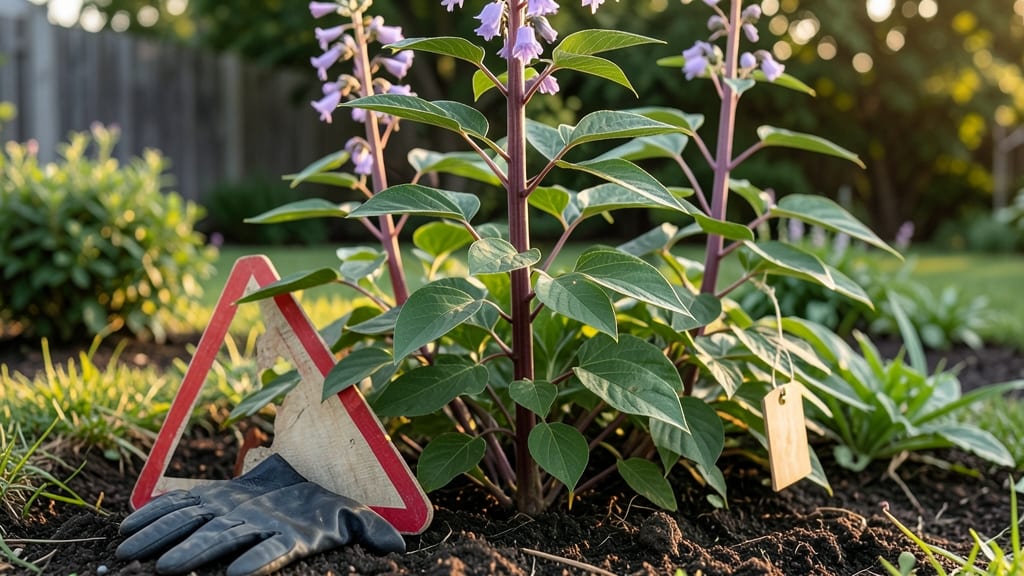
You should never touch pokeweed without protection because its toxic sap triggers skin irritation, rashes, or allergic reactions. The plant's phytochemicals—like phytolaccatoxin and saponins—can also cause severe reactions if ingested, so avoid handling leaves or berries directly.
Pokeweed's toxicity comes from its alkaloid-rich sap, which can cause blistering or swelling upon contact. Even brief exposure may lead to itchy welts that persist for days. 🌿 The berries, though tempting to birds, contain concentrated toxins that can cause nausea or vomiting if swallowed.
If you must remove pokeweed from your yard, wear thick gloves and long sleeves to minimize skin contact.
For removal, use a shovel to dig up the roots completely—leaving fragments can cause regrowth. Wrap the plant in a sealed plastic bag for disposal, never composting it. If you experience severe reactions, wash the affected area immediately with soap and water, then seek medical attention if symptoms worsen.
💡 In This Article
- Toxic Chemicals in Pokeweed and Their Health Risks
- Safe Removal and Disposal Methods for Pokeweed
Toxic chemicals in pokeweed and their health risks
The pokeweed plant (Phytolacca americana) secretes a milky sap packed with phytochemicals that trigger allergic and irritant reactions. The primary culprit is phytolaccatoxin, a potent irritant that disrupts cell membranes upon contact, causing inflammation.
This compound belongs to the saponin family, which also includes phytolaccigenin, known to provoke blistering and dermatitis in sensitive individuals. 🌿 Unlike stinging nettles that cause temporary stings, pokeweed's effects linger, with rashes persisting for 3-7 days or longer.
When skin touches pokeweed, the sap's alkaloid content (up to 0.5% dry weight in leaves) reacts with moisture to form a sticky, irritating residue. The berries contain even higher concentrations—studies show they can cause gastrointestinal distress if ingested, with symptoms like vomiting and diarrhea appearing within 6-12 hours.
Children are particularly vulnerable due to their tendency to handle plants directly, while adults may experience contact dermatitis characterized by red, swollen patches that itch intensely.
What sets pokeweed apart from other toxic plants is its dual-action mechanism: the sap acts as both an irritant and an allergen.
Irritants like phytolaccatoxin cause immediate reactions in anyone who touches them, while allergens (like certain saponins) require prior sensitization—meaning first-time contact might feel mild, but subsequent exposures can trigger severe reactions. 💥 This dual nature explains why some people develop chronic eczema-like symptoms after repeated exposure, even years later.
For comparison, poison ivy (Toxicodendron radicans) contains urushiol oil, which binds permanently to skin proteins, whereas pokeweed's toxins are water-soluble and can be partially rinsed off within 15-30 minutes of exposure. However, this doesn't eliminate risk—residual toxins can still penetrate deeper layers of skin over time.
The plant's purple-black berries, often mistaken for edible fruits, contain the highest toxin concentrations, making them especially dangerous if crushed or ingested.
Ingestion poses even greater risks: consuming just 1-2 berries can cause nausea, abdominal pain, and diarrhea, while larger amounts may lead to respiratory distress or neurological symptoms. Livestock and pets are also at risk, with cases of liver damage reported in animals that graze on contaminated plants.
The toxins can even persist in dried leaves, so handling any part of the plant demands caution.
If you've touched pokeweed, immediate washing with mild soap and cold water reduces toxin absorption. However, for severe reactions—like blistering or swelling beyond the contact area—seek medical help promptly. Over-the-counter hydrocortisone cream (1%) can alleviate itching, but prescription-strength treatments may be needed for persistent cases. 🚨