
Pests
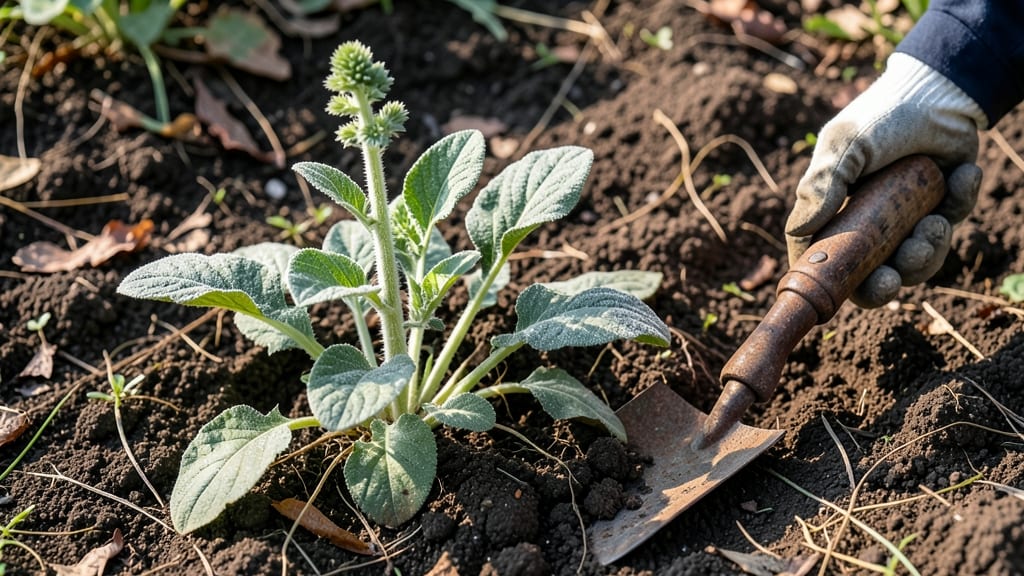
That fast-growing green you're pulling from your garden might actually be a free, edible harvest. 🌱 Common lambsquarters isn't just a weed—it's a nutrient-packed green that grows wild in every U.S. state, and I've learned how to manage it without losing my garden to its aggressive spread.
The trick is timing: pull young plants before they seed (they produce up to 50,000 seeds per plant), and use them in stir-fries or salads. For established patches, smother with cardboard or mulch in spring—this starves out roots while keeping your soil healthy.
I've seen it take over entire beds in just one season, but with the right approach, you can reclaim your space.
You'll end up with cleaner garden beds and a pantry stocked with free greens that taste like spinach but thrive where nothing else grows. The plants are packed with vitamins A and C, and their seeds are high in protein—nature's way of saying "don't waste this."
Works for both vegetable gardens and ornamental beds, and the same methods control other aggressive weeds like pigweed. Let's get your garden back—and your table stocked—without harsh chemicals.
📚 In This Guide
- What you need
- Instructions
- Tips and common mistakes
- Wrapping up and next steps
What you need
- ● Gloves (gardening or nitrile) – 1 pair (to protect your hands from sap and prickles).
- ● Pruners or shears – 1 pair (sharp, clean, and capable of cutting thick stems).
- ● Garden fork or hoe – 1 (for digging out deep roots if removing the weed).
- ● Bucket or basket – 1-2 (for collecting harvested greens or pulled weeds).
- ○ Spray bottle (optional) – 1 (for rinsing off dirt or pesticide residue if harvesting).
- ● Vinegar solution (5% acetic acid) – 1 gallon (mix with 1 tbsp dish soap for adhesion). Note: Avoid spraying on desirable plants!
- ● Mulch or landscape fabric – Enough to cover the area (to suppress regrowth).
- ● Trash bags – 1-2 (for disposing of pulled weeds before they reseed).
- ● Colander – 1 (for rinsing greens thoroughly).
- ● Cutting board & chef’s knife – 1 each (for chopping leaves and stems).
- ○ Salt & lemon juice (optional) – To taste (brightens the flavor!).
How to identify, harvest, and remove common lambsquarters
This wild green grows faster than most weeds—here's how to put it to good use or control it properly.
🌿 Step 1: Identify Lambsquarters Correctly
Lambsquarters (Chenopodium album) looks like spinach but with a key difference: its leaves are covered in tiny white hairs when young, giving them a mealy appearance. The stems are smooth and reddish, and the plant grows in a bushy, upright form reaching 2-5 feet tall. Young leaves are tender and best for eating—older plants develop tougher stems and seeds.
Here's the thing—it's easy to confuse with pigweed or amaranth. Check the stems: lambsquarters has no hairs on its stems, while pigweed is smooth but grows more prostrate. Always confirm by tasting a small piece—lambsquarters has a mild, slightly earthy spinach flavor, while many look-alikes taste bitter.
🌱 Step 2: Harvest Young Leaves for Cooking
Pick leaves when they're 4-6 inches long—this is when they're most tender. Use clean scissors or pinch off leaves at the base to avoid damaging the plant. Harvest in the morning after dew has dried but before full sun hits, as leaves stay crispest then. You'll need about 2 cups of leaves per person for a simple sauté.
I like to harvest the outer leaves first, leaving the inner growth to continue. This encourages bushier regrowth and gives you more harvests. Avoid plants with yellowing leaves or visible pests—they'll taste bitter. Rinse leaves thoroughly under cool water to remove any dirt or insect eggs hiding in the hairs.
✂️ Step 3: Remove Established Plants Before Seed Set
Pull lambsquarters when it's 1-2 feet tall before it develops seed heads. Grasp the base firmly and twist to remove the entire root system. If the soil is dry, water it first to loosen roots—this makes pulling easier. For stubborn plants, use a digging fork to pry roots free without leaving fragments behind.
Real talk: Don't let it go to seed. A single plant can produce 130,000 seeds that stay viable for years. If you're not using it as a green, remove it completely from your garden beds. For large infestations, consider smothering with cardboard or mulch to block sunlight and prevent regrowth.
💧 Step 4: Prevent Regrowth in Garden Beds
Lambsquarters thrives in disturbed soil, so maintain a thick mulch layer of 2-3 inches around garden beds to block sunlight. I use straw or wood chips—both suppress weeds while improving soil as they break down. Water regularly to keep mulch moist, as dry mulch loses its effectiveness.
For lawn areas, mow frequently to keep plants short before they seed. If you're dealing with a persistent patch, apply a pre-emergent herbicide in early spring to prevent new seedlings. But remember—this also stops other beneficial wild greens from growing, so use it judiciously.
☀️ Step 5: Cook or Compost Properly
Use young leaves raw in salads or cook them like spinach—sauté with garlic and olive oil for 2-3 minutes until just wilted. Older stems can be peeled and chopped for stir-fries. If you're not using the harvest, compost it immediately to prevent reseeding. Never leave cut plants lying around—they'll regrow from the base.
Here's where it gets fun: lambsquarters is packed with nutrients and grows prolifically. If you're not removing it, consider letting a small patch grow for a free, organic green harvest. Just keep it contained so it doesn't take over your garden.
Tips & tricks for managing lambsquarters like a pro
These insider tricks will help you turn this fast-growing weed into a garden asset—or control it before it takes over.
Timing Secret for Harvesting: The 4-6 inch size guideline in Step 2 is your sweet spot—any smaller and the leaves lack flavor, any larger and they get tough. I harvest mine when they're about 5 inches long for the perfect balance of tenderness and flavor. Confession: I skipped this step for years and wondered why my "wild spinach" tasted bland!
Root Removal Rescue Strategy: If you're dealing with stubborn plants in Step 3, try this trick: water the area thoroughly 24 hours before pulling. The moist soil makes roots easier to extract, and you'll avoid leaving fragments that can regrow. For really tough patches, I use a garden fork to gently loosen the soil around the base before pulling—this prevents breakage.
Mulch Layer Upgrade: The 2-3 inch mulch recommendation in Step 4 works, but here's the pro move: add a layer of newspaper or cardboard underneath your straw or wood chips. This creates a double barrier that blocks light completely, preventing any new seedlings from sprouting. I've eliminated entire patches this way without chemicals.
Cooking Time Technique: Those 2-3 minutes of sautéing in Step 5 are crucial—don't overcook! Watch closely as the leaves just begin to wilt. Overcooking turns them mushy and loses the bright green color. For extra flavor, add a pinch of salt and a squeeze of lemon right at the end—this brightens the earthy taste and makes it taste like you actually bought it at the store.
Pro Tips for Common Lambsquarters Weed
- These insider tricks will help you turn this fast-growing weed into a garden asset—or control it before it takes over.
- Timing Secret for Harvesting: The 4-6 inch size guideline in Step 2 is your sweet spot—any smaller and the leaves lac...
- Root Removal Rescue Strategy: If you're dealing with stubborn plants in Step 3, try this trick: water the area thorou...
Frequently asked questions
Got questions about common lambsquarters?
You’re not alone—this edible "weed" sparks curiosity (and frustration) for gardeners, foragers, and home cooks alike. Below, we tackle the most common queries to help you navigate identification, removal, and even culinary uses with confidence.
Is common lambsquarters really edible?
This wild green is packed with vitamins A, C, and K, plus fiber and minerals like calcium and iron. Young leaves are mild and spinach-like, while older ones develop a slightly earthy, beet-like flavor. Always confirm identification (no milky sap = safe to eat) before harvesting from untreated areas.
How do I safely remove it from my garden?
Pulling is easiest when soil is moist—grasp the base and yank firmly to avoid leaving roots behind. For stubborn patches, smother with cardboard/mulch or spot-treat with vinegar (3:1 water ratio) on sunny days. Wear gloves! The sap can irritate skin.
When is the best time to harvest lambsquarters for eating?
Harvest young leaves (3–6 inches tall) for the tenderest texture, ideally in spring or fall. Avoid mature plants with spiky seed heads—they’re tougher and bitter. Pick outer leaves to encourage regrowth, and rinse thoroughly to remove dirt or insects.
Will lambsquarters grow back if I cut it down?
Yes! This hardy annual regrows from the base if roots remain. For persistent infestations, dig deeply (6+ inches) or use a hoe to sever roots. Repeated mowing can weaken it over time, but it’s often best to harvest and eat it instead of fighting it!
Can I use lambsquarters in cooking like spinach?
You bet! Use it raw in salads, sautéed with garlic, or blended into soups. Try blanching for 2–3 minutes to soften older leaves. Pro tip: Wilt it first to reduce cooking time—simply microwave with a splash of water for 1 minute before adding to dishes.
Wrapping up and next steps
Dealing with common lambsquarters weed doesn’t have to be a chore—it’s an opportunity! Whether you’re harvesting this nutritious green for your kitchen or simply clearing your garden, you now have the tools to manage it effectively. Remember, every weed removed is a step toward healthier soil and a thriving garden.
Ready to take action? Start small:
- Pick a sunny spot in your yard or garden to begin.
- Grab your gloves, scissors, or vinegar spray, and get hands-on!
- Share your progress—or even your homegrown lambsquarters meals—with fellow gardeners for extra motivation!