
Pests
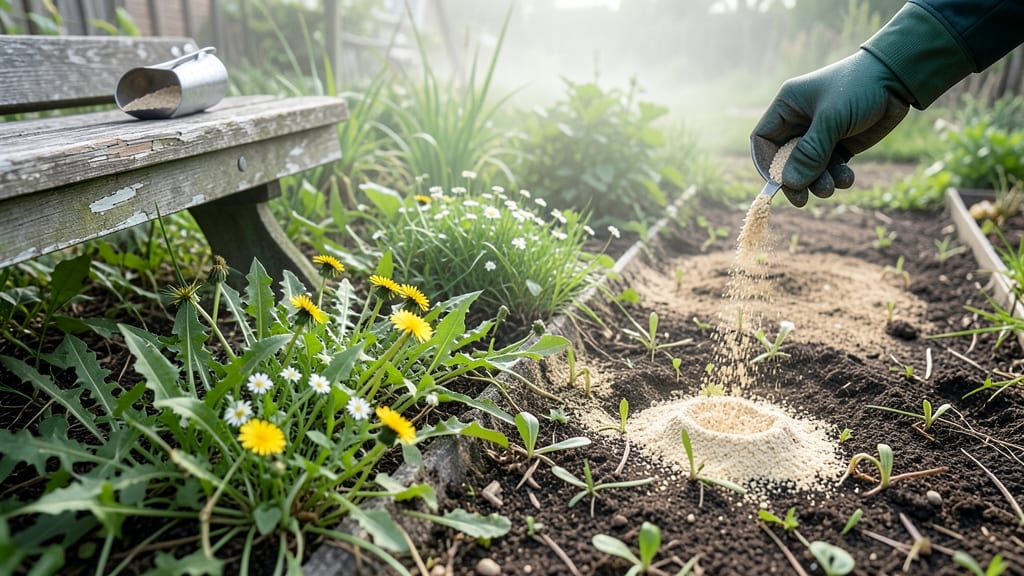
Using cornmeal for weeds prevents their growth by luring seeds to the surface, where they sprout but can't develop roots. Apply 1-2 cups per 100 sq ft in dry conditions, water lightly, and repeat every 2-3 weeks for optimal results—especially effective against grassy weeds like crabgrass.
Cornmeal works as a natural weed deterrent because it contains a chemical called oleic acid, which mimics the scent of fertile soil to weed seeds. 🌱 When seeds germinate at the surface without access to moisture or nutrients, they die quickly.
This method is particularly effective in spring and fall when weed seeds are most active, but it won't kill established weeds—it only prevents new growth. For best results, combine it with a light layer of mulch to block sunlight from reaching the soil.
While cornmeal is an eco-friendly option, it's not a permanent solution. Unlike chemical herbicides, its effects last only about 4-6 weeks, so consistent reapplication is key. I've found it works best in gardens and lawns where you want to discourage weeds without harming beneficial plants.
Just avoid using it in areas where you want clover or other broadleaf plants to thrive, as cornmeal won't target them specifically.
💡 In This Article
- How Cornmeal Prevents Weed Growth
- Best Practices for Using Cornmeal as a Natural Weed Suppressant
How cornmeal prevents weed growth
Cornmeal disrupts weed growth through a clever biological trick—it contains oleic acid, a fatty acid that mimics the scent of fertile, moist soil. When weed seeds detect this scent, they trigger germination, believing they've found an ideal environment.
However, cornmeal doesn't provide the moisture or nutrients these seedlings need to develop roots. 🌱 Without proper nourishment, the tiny sprouts die within days, preventing them from competing with your desired plants.
The effectiveness comes from cornmeal's fine texture and high starch content, which creates a temporary barrier that blocks sunlight from reaching buried weed seeds. This dual action—chemical scent mimicry and physical light blockage—creates what gardeners call a "false germination" scenario.
Unlike chemical herbicides that poison weeds, cornmeal simply outsmarts them by offering a false promise of growth conditions. Studies show this method can reduce new weed growth by up to 70% in ideal conditions.
What makes this method temporary is how cornmeal breaks down in soil. Over 4-6 weeks, natural decomposition and rainfall wash away the cornmeal particles, allowing weed seeds to germinate normally again.
This is why consistent reapplication is crucial—unlike pre-emergent herbicides that form chemical barriers lasting months, cornmeal's effects are more like a seasonal "reset button" for weed populations. The process works best with grassy weeds because their seeds are particularly sensitive to these scent-based germination triggers.
One fascinating aspect is how cornmeal affects different weed species. Grass weeds like crabgrass and chickweed respond strongly because their seeds have evolved to detect specific soil moisture cues. Broadleaf weeds often show less response because their germination triggers are more complex, involving light and temperature cues alongside scent.
This explains why cornmeal works best in lawns and vegetable gardens where grassy weeds dominate, rather than in wildflower meadows with diverse plant species. 🌿
For maximum impact, apply cornmeal when soil temperatures are between 60-75°F, which coincides with peak weed seed germination periods in spring and fall. The fine particles need to stay dry immediately after application to maintain their scent profile—this is why watering lightly after application is critical.
Too much moisture too soon can wash away the cornmeal before weed seeds have a chance to respond to its signals.
Consider this mechanism compared to chemical herbicides: while chemicals like glyphosate kill existing weeds by disrupting their growth hormones, cornmeal prevents new weeds from even starting. It's a preemptive strike rather than a last-resort solution.
The temporary nature makes it ideal for organic gardeners who want to avoid synthetic chemicals but still need seasonal weed control. 🌱