
Featured
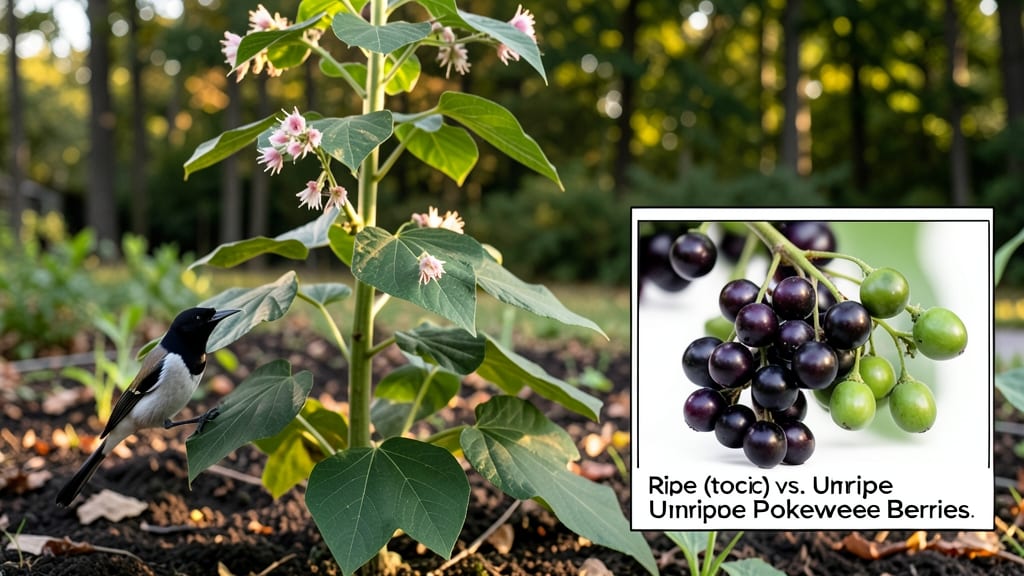
Birds do eat pokeweed berries, though they may experience mild to severe toxicity depending on species and consumption levels. These berries contain phytochemicals that can cause digestive upset, neurological symptoms, or even death in some birds.
Many birds are attracted to pokeweed berries because they resemble wild grapes, but the consequences can be serious. 🌿 The berries contain compounds like phytolaccatoxin and oxalates, which disrupt cellular function in birds' digestive tracts.
Smaller species like sparrows or finches are particularly vulnerable, while larger birds might tolerate smaller amounts better. If you notice birds pecking at pokeweed in your yard, consider removing the plants before berries mature.
Pokeweed's toxicity isn't just about the berries—the stems and leaves also pose risks, though they're less commonly consumed. The plant's bright purple berries stand out in late summer, making them tempting to foraging birds.
For gardeners, pulling plants before seed formation or replacing pokeweed with bird-friendly alternatives like elderberry can help protect local wildlife.
💡 In This Article
- Toxicity of Pokeweed Berries in Birds: Chemical Breakdown
- Managing Pokeweed in Gardens to Protect Birds
Toxicity of pokeweed berries in birds: chemical breakdown
Pokeweed berries contain a cocktail of phytochemicals that make them dangerous to birds, with phytolaccatoxin being the most potent compound. This toxin disrupts cellular membranes, particularly in the digestive tract, causing severe inflammation and hemorrhage.
Birds that ingest even small amounts—often just 5-10 berries—may experience vomiting, diarrhea, and lethargy within hours. The berries also contain oxalates, which bind to calcium in the body, leading to muscle weakness and potential kidney damage in severe cases.
Different bird species react differently due to variations in body size and metabolism. Small songbirds like sparrows or finches, weighing just 20-30 grams, are especially vulnerable because their tiny systems can't process the toxins efficiently.
Larger birds, such as robins or grackles, may tolerate small quantities better, but repeated exposure can still lead to chronic health issues. 🌿 Waterfowl, like ducks, often avoid pokeweed due to its bitter taste, but they aren't immune—juvenile birds are more likely to sample unfamiliar foods, increasing their risk.
The berries' toxicity isn't limited to their chemical composition—it's also about how quickly they act. Phytolaccatoxin begins damaging cells within 30-60 minutes of ingestion, while oxalates take longer to accumulate in the system. This rapid onset means birds may not have time to metabolize the toxins before symptoms become critical.
The bright purple color of the berries, which resembles wild grapes, makes them particularly enticing to foraging birds, compounding the risk.
Neurological symptoms, such as tremors or seizures, can occur in severe cases due to the berries' impact on the nervous system. These symptoms arise because the toxins interfere with neurotransmitter function, disrupting the delicate balance of signals in the brain.
In extreme cases, birds may experience respiratory distress as fluid builds up in their lungs—a condition known as pulmonary edema—due to the combined effects of inflammation and toxin-induced cellular damage.
To put this into perspective, consider that pokeweed berries contain roughly 0.5-1.0% phytolaccatoxin by weight, a concentration high enough to be lethal in small birds.
For comparison, a single berry might contain enough toxin to kill a 10-gram hummingbird, while a 100-gram robin could survive a small dose but suffer long-term health effects. This stark contrast highlights why species size is a critical factor in determining toxicity outcomes.
If you observe birds pecking at pokeweed in your yard, act quickly. Removing the plant before berries ripen can prevent exposure entirely. For birds already showing symptoms, contact a wildlife rehabilitator immediately—they can administer activated charcoal to bind the toxins and provide supportive care. 💛