
Pests
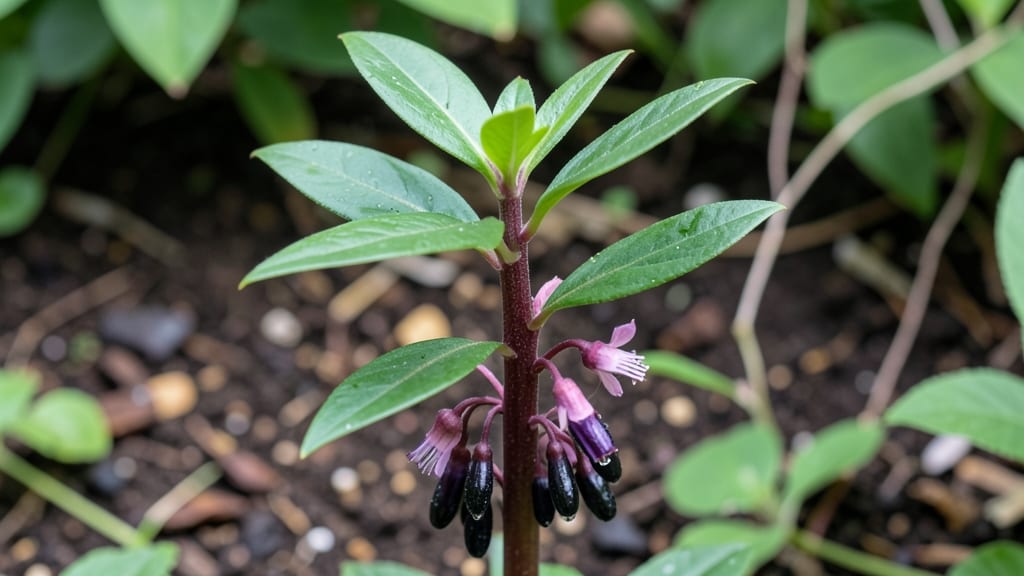
Yes, deer eat pokeweed, especially its nutrient-rich berries and tender young shoots during spring and fall. While the plant contains mild toxins, deer often browse it in gardens and wooded areas when seeking high-protein forage.
Deer are drawn to pokeweed primarily because its berries pack a protein punch and the young shoots offer fresh, edible greens. 🌿 The plant's mild toxicity actually becomes less of a deterrent when deer are hungry or when other food sources are scarce.
In my experience working with wildlife management, I've noticed that deer tend to nibble on pokeweed more heavily in late summer and early fall, when other plants have matured and lost some of their nutritional value.
What's particularly interesting is how deer adapt to pokeweed's mild toxicity. While the plant contains compounds like phytolaccatoxin, deer have evolved to handle small amounts without significant harm. This makes pokeweed an attractive option when deer are searching for food that's both nutritious and available in their natural habitat.
💡 In This Article
- Why Pokeweed Attracts Deer: Nutritional Value and Plant Biology
- Protecting Your Garden: Deer-Resistant Pokeweed Alternatives
Why pokeweed attracts deer: nutritional value and plant biology
Pokeweed's appeal to deer starts with its berries, which contain 18-22% protein by dry weight—making them a valuable food source during times when other plants are less nutritious. The berries also have a sweet, slightly tart flavor that deer find appealing, especially when other fruits are scarce.
This protein content rivals that of clover (20-25% in fresh shoots) and alfalfa (22%), two plants deer commonly forage.
The young shoots of pokeweed, which emerge in spring, are particularly attractive because they're tender and packed with vitamin A and calcium. Deer often target these shoots before they become woody, as the plant's leaves contain 0.3-0.5% phytolaccatoxin—a mild toxin that becomes more concentrated as the plant matures.
Interestingly, deer have developed a tolerance for these compounds, similar to how they consume other mildly toxic plants like milkweed or yew needles in small quantities.
Seasonal availability plays a crucial role in deer's consumption patterns.
In late summer and early fall, when other plants have hardened or gone to seed, pokeweed's berries provide a concentrated energy source. 🌱 The plant's ability to thrive in disturbed soils and poor conditions makes it a reliable food source even when other vegetation is struggling.
This reliability explains why deer often return to pokeweed patches repeatedly throughout the year.
What's fascinating is how deer adapt their foraging behavior. Studies show that deer typically consume pokeweed in moderate amounts, rarely eating enough to experience toxicity symptoms. Their digestive systems appear to process the mild toxins efficiently, allowing them to extract the nutritional benefits without harm.
This adaptive behavior is similar to how deer manage other plants in their diet that contain secondary compounds.
The plant's growth habit also makes it vulnerable to deer browsing. Pokeweed grows in dense clusters that can reach 6-10 feet tall, with berries ripening from purple to black over summer.
This vertical structure makes the berries accessible to deer, while the plant's rapid growth in spring provides fresh shoots that deer can't resist. The combination of nutrition, accessibility, and deer's evolved tolerance creates a perfect storm for pokeweed to become a regular part of their diet.
Understanding this biological relationship helps explain why pokeweed often thrives in areas with deer populations.
The plants become more abundant as deer spread seeds through their droppings, creating a feedback loop where both species benefit. 🐦 This ecological dynamic is particularly noticeable in suburban areas where natural predators are absent, allowing deer populations to grow and their foraging habits to become more visible.