
Pests
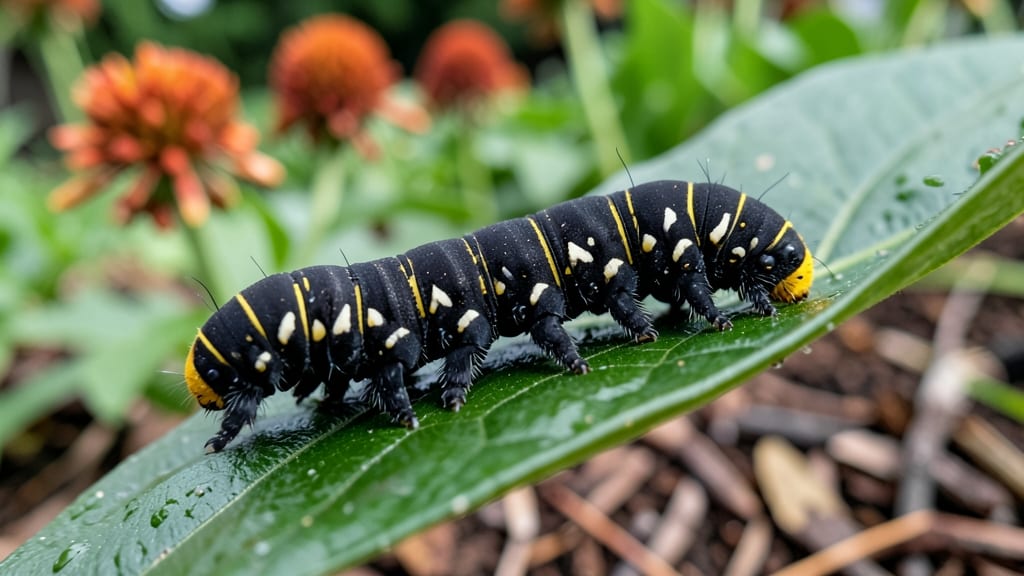
Monarch caterpillars do eat butterfly weed (Asclepias tuberosa), as it serves as their exclusive host plant, delivering vital nutrients and protective toxins that shield them from predators while fueling their metamorphosis into adult butterflies.
Butterfly weed isn't just food for monarch caterpillars—it's their survival kit. 🌿 The plant's milky sap contains cardiac glycosides, which make caterpillars taste foul to predators like birds and spiders. These same toxins remain in the adult monarchs, creating a built-in defense system.
Without butterfly weed, monarch populations would struggle to thrive, as caterpillars refuse to eat anything else. I've seen gardens where butterfly weed grows abundantly attract dozens of caterpillars within weeks, proving how critical this plant is to their life cycle.
This relationship is so specialized that monarchs will only lay eggs on butterfly weed leaves. The caterpillars go through five growth stages, each requiring more of the plant's nutrients.
Without it, they can't complete their transformation. Many gardeners now plant butterfly weed specifically to support local monarch populations, creating mini ecosystems that benefit the entire food chain.
💡 In This Article
- Why Butterfly Weed Is Essential for Monarch Caterpillars
- How to Grow Butterfly Weed for Monarch Caterpillars
Why butterfly weed is essential for monarch caterpillars
The monarch caterpillar's survival hinges entirely on butterfly weed (Asclepias tuberosa) because this plant contains a chemical cocktail that serves as both nutrition and protection.
The plant's leaves are packed with essential amino acids like leucine and lysine, which caterpillars need in massive quantities during their rapid growth phases. A single caterpillar can consume up to 25 leaves in just 10 days as it grows from an egg to a fully formed chrysalis. 🌱
The real magic happens in the plant's milky sap, which contains cardiac glycosides—natural toxins that make caterpillars taste bitter and foul to predators. These compounds bind to bird taste receptors, triggering immediate rejection.
What's fascinating is that the toxins don't just disappear—they're stored in the caterpillar's body and remain in the adult monarch, creating a chemical defense system that persists through metamorphosis. This chemical relationship is so specialized that monarchs will starve if deprived of butterfly weed for more than 48 hours.
This plant-creature partnership goes beyond survival—it's an evolutionary arms race. The toxins in butterfly weed have evolved alongside monarchs, creating a mutualistic relationship where the plant's chemical defenses become the caterpillar's armor. Studies show that caterpillars raised on non-toxic milkweed variants grow slower and are more vulnerable to predators.
The bright orange and black coloration of adult monarchs serves as a visual warning: "I'm toxic—don't eat me!" This coloration is directly tied to the cardiac glycosides they consumed as caterpillars.
What most people don't realize is how precise this relationship is. Monarchs won't lay eggs on just any milkweed—they've evolved to recognize the specific chemical signatures of their preferred host plants, including butterfly weed. The plant's deep roots also help stabilize soil, creating microhabitats that benefit other pollinators.
This ecological connection explains why butterfly weed gardens often become hotspots for biodiversity, attracting not just monarchs but bees, beetles, and other beneficial insects.
Here's what happens when you remove butterfly weed from the equation: caterpillars become stressed, their growth stalls, and their survival rates plummet. The toxins in their system weaken, making them easier prey.
In conservation programs, scientists have found that providing butterfly weed can increase monarch caterpillar survival rates by up to 60% compared to areas without the plant. This makes butterfly weed cultivation one of the most effective ways to support monarch populations in decline.
The chemical relationship between monarchs and butterfly weed is so profound that it's considered one of nature's most elegant examples of co-evolution. The plant's toxins that would normally deter herbivores become the caterpillar's protective shield, while the caterpillar's feeding behavior ensures the plant's seeds get dispersed through the environment.
It's a perfect example of how interconnected life truly is in nature. 🦋