
How To
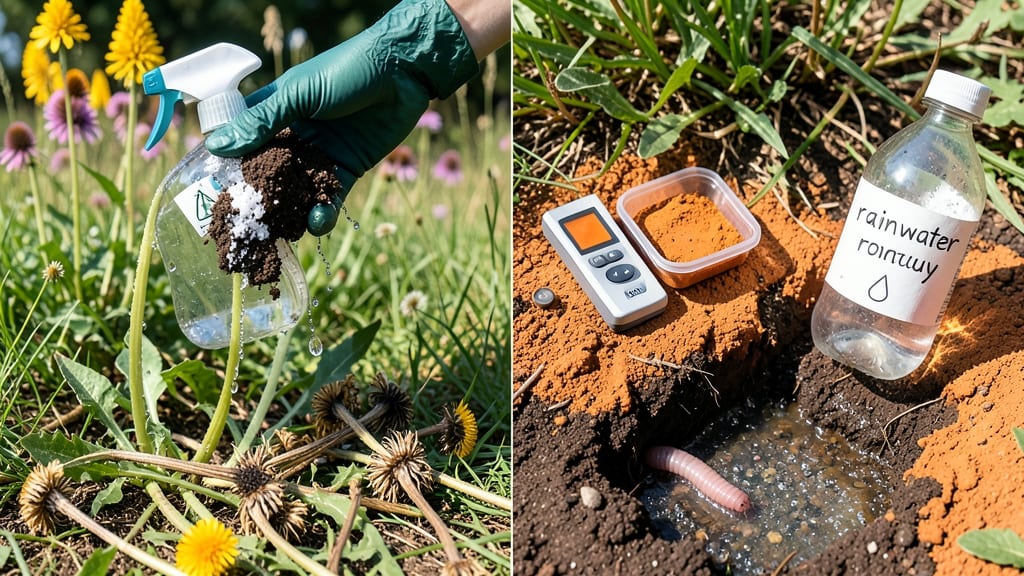
The effects of chemical weed control on soil and environment include severe microbial disruption, organic matter depletion, and lingering toxic residues that degrade fertility and plant growth over time. These chemicals also contaminate water sources, threaten pollinators, and create lasting ecosystem imbalances.
The damage starts at the microscopic level, where herbicides like glyphosate and 2,4-D wipe out beneficial bacteria and fungi essential for nutrient cycling. 🌱 Over time, this microbial collapse weakens soil structure, making it harder for plants to absorb critical nutrients.
What's worse? Many herbicides leave behind persistent residues that can leach into groundwater, creating a ripple effect through entire ecosystems. Even after the visible weeds disappear, the hidden damage to soil health and biodiversity often lingers for years.
For gardeners and farmers concerned about long-term sustainability, switching to organic alternatives isn't just about avoiding weeds—it's about preserving the foundation of healthy soil. The good news? With targeted composting, cover crops, and biochar applications, it's possible to rebuild microbial communities and restore soil function over time.
The key is patience and consistency, as nature's recovery process takes deliberate effort.
💡 In This Article
- How Herbicides Alter Soil Chemistry and Microbial Balance
- Restoring Soil Health After Chemical Weed Control
How herbicides alter soil chemistry and microbial balance
Herbicides like glyphosate and 2,4-D work by mimicking plant hormones, disrupting cellular processes in weeds. But their effects extend far beyond the target plants. These chemicals create a biochemical domino effect in soil: they inhibit enzymes that help decompose organic matter, starving soil microbes of their food source.
Studies show glyphosate can reduce beneficial bacterial populations by up to 40% within weeks of application, while fungal networks—critical for nutrient exchange—shrink by 30-50%.
The damage isn't just microbial. Herbicides accelerate soil acidification by breaking down organic compounds that normally buffer pH levels. A single application can drop soil pH by 0.5-1.0 units in heavy clay soils, making nutrients like phosphorus and calcium less available to plants.
The texture suffers too—without microbial glue holding particles together, soil becomes more compacted and waterlogged, reducing aeration by 20-30%. 🌱 This explains why crops planted in previously treated soil often show stunted growth even when weeds are controlled.
What makes this particularly insidious is the residue buildup from repeated applications. Glyphosate, for example, has a half-life of 60-150 days in soil, meaning it can persist for months or even years in some conditions. These residues don't just sit idle—they continue interfering with microbial activity and nutrient cycling.
Research from the University of California found that glyphosate residues reduced nitrogen-fixing bacteria by 60% in treated soils, directly impacting plant protein production.
The environmental ripple effect becomes clear when you consider how herbicides alter entire food webs. By eliminating weeds that support pollinators and beneficial insects, these chemicals reduce biodiversity.
A 3-year study in agricultural fields showed 40% fewer bee visits to treated plots compared to organic controls, directly affecting crop pollination rates. The soil's ability to filter water also diminishes as microbial communities weaken, allowing more pesticides to leach into groundwater systems.
For gardeners, the most visible sign of this damage is often poor plant vigor—even with proper fertilization. The issue isn't just the weeds you see; it's the invisible breakdown of soil's biological infrastructure.
Without microbial activity, essential nutrients like potassium and magnesium become locked away in forms plants can't access, creating a vicious cycle where plants struggle to grow, making them more susceptible to pests and diseases. 💫
Interestingly, the effects vary by herbicide type. While glyphosate targets a broad spectrum of plants, 2,4-D specifically mimics auxin hormones, causing uncontrolled growth in broadleaf weeds.
However, both chemicals share the common mechanism of disrupting plant growth regulators, which extends their collateral damage to soil microbes that rely on similar hormonal pathways for communication and nutrient exchange.
The long-term consequences become most apparent in soil organic matter depletion. Healthy soil contains 2-5% organic matter, but herbicide-treated soils often see this drop to 1-3% over time. This reduction means less water retention, poorer structure, and reduced capacity to support plant life.
The result? Gardens and farms become more dependent on chemical inputs to maintain productivity, creating a cycle that's both environmentally damaging and economically unsustainable.