
Planting
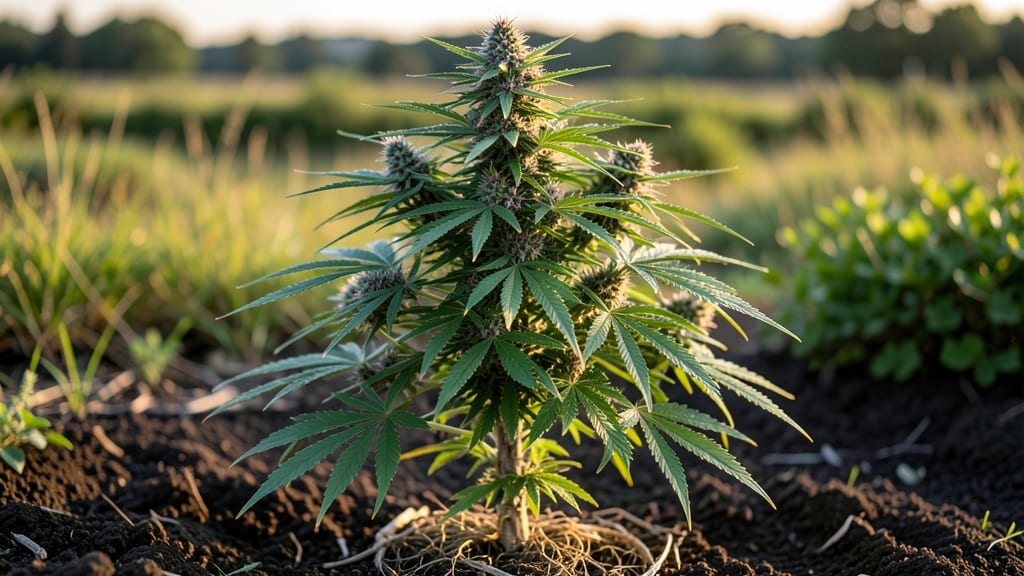
Finding female and male weed plant pictures reveals key differences: females form dense, resin-coated buds and compact leaf clusters as they mature, while males develop long, thin pollen sacs and taller stems. These visual cues help growers determine plant gender early for optimal harvest planning.
Understanding these visual distinctions is crucial for growers aiming to maximize yield. 🌱 Female plants, which produce the coveted buds, often show their gender traits around week 4-6 of flowering, while males reveal their pollen sacs earlier—sometimes as early as week 3.
The resinous buds on females aren't just visually striking; they're packed with cannabinoids like THC and CBD, making them the gold standard for harvest. Meanwhile, male plants, though less valuable for bud production, play a vital role in pollination if left untrimmed.
I always recommend using a magnifying glass to inspect leaf nodes and flower clusters, as some differences can be subtle until the plant is well into its growth cycle.
For best results, compare your plants against high-quality reference images during the vegetative stage, when gender traits first become apparent. Environmental factors like light cycles and stress can delay or alter these visual cues, so consistency in growing conditions is key.
Many growers also use gender-specific seed varieties to eliminate surprises entirely.
💡 In This Article
- How to Identify Female vs Male Weed Plants by Visual Clues
- Best Times to Check for Gender in Cannabis Plants
How to identify female vs male weed plants by visual clues
The most reliable way to distinguish female cannabis plants is by looking for pre-prod or pre-flower structures that appear during early flowering.
These tiny, hair-like growths at the nodes (where leaves meet the stem) are the first sign of femaleness. 🌿 Under magnification, these structures resemble tiny bananas or ovules—this is where the resinous buds will develop.
Male plants, on the other hand, show pollen sacs that look like tiny balls hanging from the nodes, often in clusters of 2-4.
Leaf structure also provides clues. Female plants typically develop smaller, denser leaves as they mature, especially near the bud sites, while male plants maintain larger, more spaced-out leaves throughout their growth.
The stems of male plants tend to grow taller and more slender, sometimes reaching heights 20-30% greater than females by the end of flowering. This is because males allocate energy to producing pollen rather than dense bud structures.
Bud development is where the real differences shine. Female buds are dense, sticky, and covered in trichomes (the crystal-like structures that produce cannabinoids), while male flowers are loose, airy, and pollen-filled.
The resin on female buds often glistens under light, creating a frosty appearance that's unmistakable. 💧 This resin isn't just for show—it's packed with THC and CBD, making female plants the prized harvest. Males, meanwhile, produce pollen that can fertilize nearby females, leading to seed production and reduced potency.
Color can also help, though it's less reliable. Female buds often develop a purple or orange hue as they mature, especially in photoperiod strains, while male flowers may appear lighter green or yellowish due to pollen production.
However, autoflowering varieties can blur these lines, so always prioritize structural clues over color. Environmental stress, like inconsistent light cycles, can sometimes cause females to develop male-like traits (a condition called "hermaphroditism"), so maintaining stable conditions is critical.
For a hands-on approach, use a 10x-20x magnification loupe to inspect the nodes and early flowers. This level of detail reveals subtle differences that the naked eye might miss.
For example, female pre-flowers often appear as tiny, rounded bumps, while male pollen sacs look like small, elongated sacs that eventually split open. 🔍 Comparing your plants against high-resolution reference images during the vegetative stage (weeks 4-6) can also sharpen your identification skills.
Pro tip: If you're growing outdoors, check for pollen clouds drifting between plants—a sure sign of males. Indoors, isolate suspected males immediately to prevent accidental pollination. Many growers also use gender-specific seeds (feminized) to avoid this hassle entirely, but understanding these visual cues is invaluable for troubleshooting or breeding programs.