
Tools
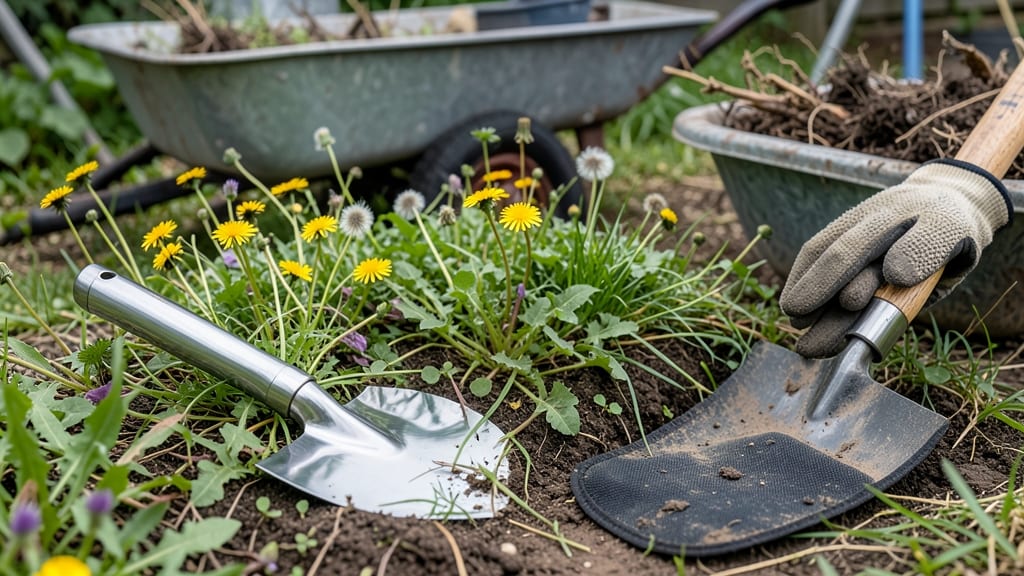
The right garden weeding hand tools make all the difference when yanking weeds without pulling up your plants too. 🌱 I’ve tried every hand tool—from flimsy plastic trowels to ergonomic hoes—and the right one turns a chore into a satisfying, almost meditative task. The key?
Matching the tool to the weed size and garden bed type. A hand fork with narrow tines is my go-to for stubborn weeds in loose soil, while a stirrup hoe glides through rows like a hot knife through butter.
For tight spaces, a weeding knife with a sharp, angled blade lets you slice weeds at the root without disturbing nearby plants. Ergonomic handles reduce wrist strain, and stainless steel blades stay sharp longer. You’ll see weeds come out cleanly, roots and all, with minimal effort.
The right tool also means faster weeding sessions—critical when those weeds are growing faster than your tomatoes. And let’s be real: no more sore hands from gripping cheap tools that bend mid-pull. Maintenance is simple: clean blades after use, oil metal parts, and store in a dry place.
A well-cared-for tool lasts years, saving you money and frustration. Let’s get into the specifics of what works best for your garden.
📚 In This Guide
- What you need
- Instructions
- Tips and common mistakes
- Wrapping up and next steps
What you need
- ● Hand Weeder (Stainless Steel or Carbon Steel) – Choose a long-handled (12-18") or short-handled (6-10") weeder with a serrated or forked tip for precision. Quantity: 1-2.
- ● Hori-Hori Knife (Japanese Weeding Knife) – A multi-purpose tool with a sharp, pointed blade (3-6") for digging and slicing weeds at the root. Quantity: 1.
- ● Weeding Hook (Dandelion Digging Tool) – A curved, claw-like tool designed for deep-rooted weeds. Quantity: 1.
- ● Trowel (Stainless Steel, 4-6" Blade) – Ideal for smaller weeds and edging. Quantity: 1.
- ● Garden Gloves (Durable, Breathable) – Opt for nitrile-coated or leather gloves to protect your hands from thorns and blisters. Quantity: 1 pair.
- ● Knee Pad or Mat – For extra comfort during long sessions. Look for gel-infused or foam options.
- ● Weed Puller (Long-Handled) – Great for large garden beds (18-24" handle).
- ● Pruners (Bypass or Anvil) – For cutting stubborn stems (if weeds are woody).
- ● Portable Weed Bag or Bucket – To collect debris without bending over repeatedly.
- ● Sun Hat & Lightweight Long-Sleeve Shirt – Protects against sun exposure and scratches.
- ● Access to a water source (for rinsing tools post-use).
- ● A flat, stable surface (like a small table or stool) to set tools down between tasks.
- ● Sunny, dry weather – Weeds pull easier when soil is not waterlogged.
- ● Patience and a steady grip! – Weeding is a mindful task—take your time for the best results.
How to choose and use garden weeding hand tools
Mastering the right tools makes weeding faster—and way less frustrating.
🪴 Step 1: Select the Right Tool for Your Weed Type
Start by matching the tool to the job. For small weeds in tight spaces, a hand weeder with a precision tip lets you pop them out by the roots without disturbing nearby plants. I keep one in my pocket for quick strikes between larger tasks—it’s my go-to for weeds in flower beds or vegetable rows.
If you’re dealing with thick, stubborn weeds like dandelions or grass, a weed puller with a forked end gives you better leverage. The prongs grip the root while you twist and pull, which prevents regrowth. For weeds in cracks or crevices, a hula hoe (even a small handheld version) slices through them cleanly without bending your back.
✂️ Step 2: Grip and Position for Maximum Efficiency
Hold the tool at a 45-degree angle to the soil—this angle lets you slide the blade or tip under the weed without hitting surrounding plants. For hand weeders, grip the handle firmly but not too tight; you want control, not strain. I press the tip just below the soil line where the root meets the stem, then twist slightly to loosen it before pulling upward.
With a hula hoe, keep your stance wide for balance and use quick, sweeping motions. The goal is to cut weeds at the base, not chop them into smaller pieces that resprout. For weed pullers, step on the forked end to anchor it, then pull upward with steady pressure—no jerky movements, or you’ll snap the tool.
💧 Step 3: Work in Moist (But Not Soggy) Soil
Weeds pull out easiest when the soil is lightly moist, not bone-dry or waterlogged. I water the area the night before weeding so moisture softens the soil without making it muddy. Dry soil clings to roots, making them harder to extract, while soggy soil turns to mush and can damage your garden’s structure.
Test the soil by squeezing a handful—it should hold together but crumble when you open your fingers. If it’s too dry, water first; if it’s too wet, wait a few hours. This is the moment that matters: the difference between a weed slipping free and breaking off at the surface.
🌱 Step 4: Extract Weeds Without Disturbing Plants
When pulling, aim for the entire root system—even a tiny fragment left behind will regrow. For broadleaf weeds, twist the weeder gently to break the root cleanly. For grassy weeds, use the hoe to sever them below the soil line. I always check my hands afterward; if I see root bits, I’ll dig them out with my fingers to avoid future sprouts.
Work in small sections, about 2 feet by 2 feet, to stay focused. Take breaks every 10 minutes—weeding is a marathon, not a sprint. Keep a small bucket nearby to toss weeds into, and empty it before it gets too heavy. The key is consistency: a little progress daily beats one overwhelming session.
⏰ Step 5: Maintain Tools for Longevity
After each use, clean your tools with a stiff brush to remove dried soil and debris. I rinse them with water and wipe down the metal parts with a damp cloth to prevent rust. Store them in a dry place, preferably hanging or propped up to air out—this keeps blades sharp and handles from warping.
Sharpen blades annually or when you notice dull edges. A file or sharpening stone works, but I prefer taking them to a hardware store for professional touch-ups. Well-maintained tools last years and make weeding feel like a breeze instead of a chore.
Tips & tricks for perfect garden weeding
Here's what nobody tells you about making weeding feel like a breeze instead of a chore.
Tool Selection: I learned this the hard way—don't grab any old tool from the shed! A hand weeder with a precision tip is your secret weapon for delicate areas like flower beds. For weeds in cracks or crevices, a small handheld hula hoe is a game-changer. I keep both in my gardening belt for quick access between larger tasks. The right tool makes all the difference when you're dealing with stubborn weeds like dandelions or grass.
Grip and Angle: The 45-degree angle in Step 2 isn't just arbitrary—it's physics! This angle lets you slide under weeds without disturbing surrounding plants. For hand weeders, I press the tip just below the soil line where the root meets the stem, then give it a gentle twist. This technique prevents breaking the root while giving you maximum leverage. With weed pullers, stepping on the forked end anchors it while you pull upward—no jerky movements, or you'll snap the tool.
Soil Prep: That perfect "lightly moist" soil isn't just about convenience—it's about physics. Dry soil clings to roots like glue, while soggy soil turns to mush. I water the area the night before weeding so moisture has time to penetrate evenly. Pro tip: Test the soil by squeezing a handful—it should hold together but crumble when you open your fingers. This is the sweet spot where weeds pull out cleanly without resistance.
Consistency Wins: Working in small sections of 2 feet by 2 feet keeps you focused, and those 10-minute breaks are non-negotiable. Weeding is a marathon, not a sprint! I keep a small bucket nearby to toss weeds into, and empty it before it gets too heavy. The key is consistency—even 15 minutes daily makes a huge difference over time. I've found that setting a timer for 10 minutes of focused weeding followed by a short break prevents burnout.
Pro Tips for Garden Weeding Hand Tools
- Here's what nobody tells you about making weeding feel like a breeze instead of a chore.
- Tool Selection: I learned this the hard way—don't grab any old tool from the shed! A hand weeder with a precision tip...
- Grip and Angle: The 45-degree angle in Step 2 isn't just arbitrary—it's physics! This angle lets you slide under weed...
Frequently asked questions
Got questions about tackling weeds with hand tools? You’re not alone! Here are some of the most common queries—and straightforward answers—to help you weeding like a pro.
What’s the best time of day to weed with hand tools?
Early morning or late afternoon is ideal! The soil is softer and cooler, making it easier to pull weeds without compacting the ground. Avoid midday heat, which can dry out the soil and make weeds more stubborn.
Can I use hand weeding tools on rocky or hard soil?
Yes, but choose tools with durable, sharp tips like a stainless steel weeding knife or a hula hoe with a reinforced blade. For extremely rocky soil, a dandelion digger with a wide fork works best to pry weeds out without breaking.
How do I keep my hand weeding tools from getting dull?
Regular maintenance is key! After each use, wipe tools with a damp cloth to remove debris, then oil metal parts (like hinges or blades) with mineral oil. Sharpen blades with a file or whetstone every few weeks for clean cuts.
Are expensive hand tools worth it for small gardens?
Not necessarily! For small spaces, affordable but sturdy tools (like a $10–$15 weeding knife or a foldable hula hoe) work perfectly. Splurge only on ergonomic grips or lightweight materials if you have joint concerns.
What if weeds keep growing back after I pull them?
Persistent weeds often have deep roots or seeds in the soil. Try smothering them with mulch or using a hand cultivator to uproot the entire root system. For stubborn patches, spot-treat with vinegar or boiling water (test on a small area first!).
Wrapping up and next steps
Choosing the right garden weeding hand tools can transform your weeding routine from a chore into a breeze! 🌱 From ergonomic designs to precision blades, the perfect tool ensures efficiency and comfort—saving your back and time.
Whether you’re tackling stubborn weeds or delicate garden beds, the right grip and function make all the difference.
Now that you’re armed with the knowledge, grab your favorite tool and get ready to reclaim your garden with confidence! Start small—clear a single patch or a flower bed—and watch your green space thrive. Happy weeding! 🌿