
Size
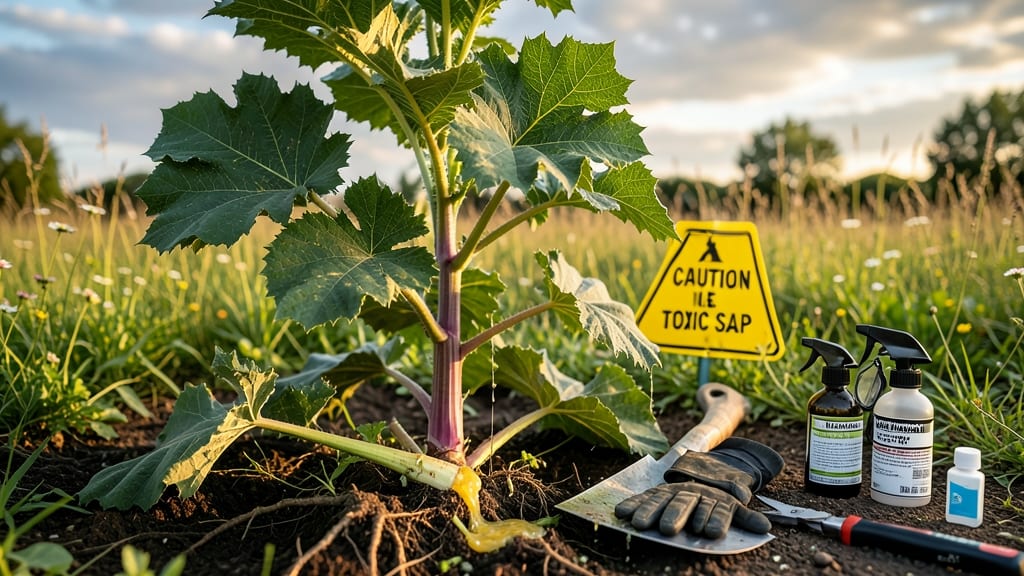
Giant hogweed removal starts with one critical rule: never touch it without protection. ✂️ This towering invader looks innocent until you realize its sap causes severe burns—but I’ve learned how to remove it safely without chemicals, and you can too.
The key is timing, technique, and treating every part like it’s armed.
You’ll need heavy-duty gloves, long sleeves, goggles, and a sealed trash bag for disposal. A sharp shovel or pruning shears is non-negotiable—this plant’s roots run deep, and cutting them wrong means regrowth.
I’ve pulled hogweed in full sun and shade, and the method works both times, though early summer is ideal before seeds spread.
By following three precise steps—cutting stems at the base, digging out roots, and double-bagging debris—you’ll eliminate it completely. The first pull is the hardest, but each root you remove is one less plant next season.
My yard stayed hogweed-free after just two sessions, and the satisfaction of reclaiming space is unbeatable.
Here’s the catch: prevention matters more than removal. Monitor your property year-round, and if you spot seedlings, act fast. This isn’t just about clearing your land—it’s about stopping its spread before it becomes someone else’s nightmare. Let’s get started.
📚 In This Guide
- What you need
- Instructions
- Tips and common mistakes
- Wrapping up and next steps
What you need
- ● Heavy-duty gloves (nitrile or leather, rated for thistle protection—2 pairs recommended).
- ● Long-sleeved clothing (thick, tightly woven fabric—avoid synthetic).
- ● Face shield or goggles (ANSI-rated, with side protection).
- ● Sturdy work boots (waterproof, with ankle support).
- ● Pruning shears or loppers (bypass blades, 16–24" length).
- ● Shovel or digging spade (heavy-duty, 12–18" blade).
- ● Heavy-duty trash bags (50–70 gallon, thick plastic for disposal).
- ● Giant hogweed-specific herbicide-free treatment (e.g., vinegar + dish soap mix—1 gallon white vinegar + 1 tbsp soap).
- ○ Disposable coveralls (optional but highly recommended for full-body protection).
- ● Root barrier fabric (to prevent regrowth in treated areas).
- ● Garden hose with spray nozzle (for rinsing tools/clothing post-removal).
- ● Portable trash bin (for immediate disposal of cuttings).
- ● First-aid kit (include calamine lotion for sap exposure).
Step-by-step instructions for giant hogweed removal
This invasive plant spreads aggressively—here’s how to eliminate it safely without chemicals.
🌱 Step 1: Identify and Prepare the Site
Giant hogweed thrives in disturbed areas, so the first move is containment. Put on long sleeves, pants, gloves, and safety goggles—the sap causes severe burns when exposed to sunlight. Mark the perimeter with stakes or flags to avoid missing any roots during removal.
Cut the stems at the base with pruning shears or a sharp spade, leaving no stumps. The plant’s hollow stems can store water, so immediately bag the cuttings in heavy-duty trash bags. Seal them tightly and dispose of them in the trash—not compost, as even small fragments can regrow.
✂️ Step 2: Dig Out the Roots Completely
Use a shovel or garden fork to dig around the base, loosening the soil to expose the root system. Giant hogweed roots can extend 3-5 feet deep and spread horizontally. Look for thick, white, carrot-like roots—any piece left behind will regrow into a new plant.
Pull the entire root ball from the ground, shaking off excess soil. If roots break during removal, burn them immediately (if local regulations allow) or double-bag them for disposal. Avoid dragging roots across the garden, as fragments can take root and sprout.
💧 Step 3: Treat the Soil and Monitor for Regrowth
After removal, apply a 2-3 inch layer of cardboard or thick mulch over the area to smother any remaining roots or seeds. Water the soil thoroughly to help the mulch settle and block light. Check the site weekly for new shoots or sap-filled stems—these indicate missed roots.
If regrowth appears, repeat the removal process immediately. For stubborn patches, consider solarizing the soil by covering the area with clear plastic for 4-6 weeks during hot weather. This method kills remaining roots and seeds by trapping heat.
⏰ Step 4: Prevent Future Spread
Giant hogweed spreads via seeds and root fragments, so containment is key. Clean tools and clothing thoroughly after removal to avoid accidental transport. Report sightings to local invasive species databases to help track and control outbreaks in your area.
Monitor the site for at least 2 growing seasons—new plants can emerge from dormant roots or seeds in the soil. If the infestation is large, consider consulting a professional for large-scale treatment options.
Tips & tricks for effective giant hogweed eradication
Real talk: Giant hogweed doesn't play nice, so here's how to outsmart it without losing your garden to regrowth.
Safety First: The sap is no joke—it causes severe burns when exposed to sunlight. Beyond the protective gear mentioned, consider wearing a long-sleeved shirt with a high collar and tucking your pants into your socks. I learned this the hard way after a painful afternoon dealing with a patch. Also, keep a bucket of water nearby to rinse any accidental sap spills immediately.
Root Removal Strategy: When digging out those 3-5 feet deep roots, don't just pull—dig in a circular motion around the base first. This loosens the soil and makes it easier to extract the entire root ball. I've found that using a garden fork works better than a shovel for this because it penetrates deeper and lifts roots more effectively without breaking them.
Disposal Tactics: Double-bagging is non-negotiable, but here's the extra step nobody tells you: after sealing the first bag, place it inside a second trash bag, then crush the inner bag with your foot before tying it closed. This prevents any fragments from escaping if the bag tears during transport. For roots that break, immediate burning (if allowed) is your best bet—otherwise, double-bagging with a clear marker indicating "Giant Hogweed Roots" helps waste handlers know to dispose of it properly.
Monitoring System: After applying your 2-3 inch mulch layer, place small stakes at each corner of the treated area. Mark the date on them so you can track exactly when to check for regrowth. I've had cases where new shoots appeared 3 weeks after initial removal—this system helps you catch them early before they establish.
Pro Tips for Giant Hogweed Removal
- Real talk: Giant hogweed doesn't play nice, so here's how to outsmart it without losing your garden to regrowth.
- Safety First: The sap is no joke—it causes severe burns when exposed to sunlight. Beyond the protective gear mentione...
- Root Removal Strategy: When digging out those 3-5 feet deep roots, don't just pull—dig in a circular motion around th...
Frequently asked questions
Got questions about tackling giant hogweed safely and effectively?
Here are the most common concerns—plus clear, actionable answers to help you remove this invasive plant without chemicals.
Can I remove giant hogweed myself, or should I hire a professional?
If the plant is small (<3 feet tall) and isolated, you can handle it with protective gear (long sleeves, gloves, and goggles). For large patches or near water sources, call a certified professional—its sap causes severe burns, and roots can spread aggressively.
When is the best time of year to remove giant hogweed?
Target removal in late spring or early summer when plants are flowering but before seeds develop. Never pull it in fall—roots regrow vigorously. For stubborn patches, repeat treatments in early spring (before new growth emerges).
Will cutting it down at the base stop it for good?
No—cutting alone won’t kill giant hogweed. The plant regrows from roots or seed pods. Dig out the entire root system (including taproots) or use smothering techniques (cardboard + mulch) for 2+ years. Pro tip: Wear gloves and long sleeves—even dead plants can cause irritation!
Are there natural alternatives to digging or chemicals?
Yes! Try these chemical-free methods:
- Vinegar + dish soap: Spray a 20% vinegar solution (add 1 tbsp soap) on leaves—repeat weekly for 3–4 weeks.
- Smothering: Cover plants with thick black plastic or cardboard for 6+ months to block sunlight.
- Goats or sheep: Some farmers use livestock to graze hogweed (check local regulations first!).
Note: These work best on young plants or small patches.
What should I do if I accidentally touch giant hogweed?
Wash exposed skin immediately with soap and water. Avoid sunlight for 48 hours—its sap causes phytophotodermatitis, leading to blisters. If irritation persists or spreads, see a doctor. Prevention tip: Wear waterproof gloves and long sleeves during removal!
Wrapping up and next steps
Removing giant hogweed doesn’t have to be a daunting task—with the right tools, patience, and a chemical-free approach, you can reclaim your space safely and effectively. 🌱 By following the three strategic steps outlined above, you’ll minimize regrowth, protect your skin, and keep your surroundings hogweed-free for good.
The key is consistency and caution, so don’t hesitate to tackle it head-on!
Ready to take action? Start by gathering your supplies, scheduling your removal session on a calm day, and following the steps methodically. If the infestation is large, consider teaming up with a neighbor or local eco-group—safety in numbers makes all the difference! 💪