
Plants
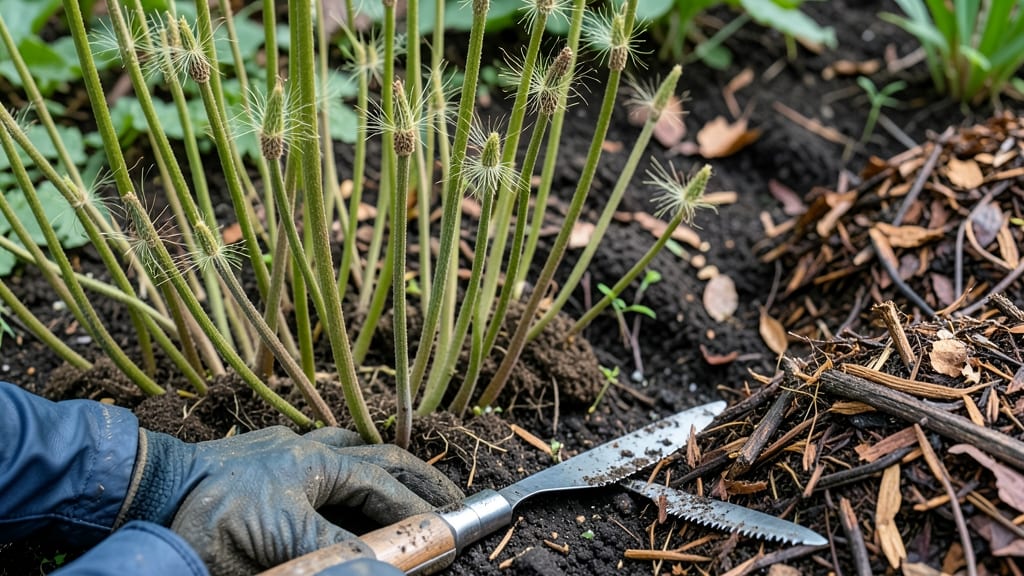
Horses hair weed, or Equisetum hyemale, is a tough, invasive plant that spreads rapidly through its spore-producing cones and underground rhizomes. Look for its distinctive rough, ridged stems and bushy, horsetail-like growth, then stop its spread by cutting stems before they release spores or applying vinegar-based herbicides in late summer.
This aggressive plant thrives in moist soil and can quickly overtake garden beds if left unchecked. 🌱 The key to controlling it lies in timing—cutting stems before they develop cones prevents spore release, while organic methods like smothering with thick mulch can weaken its root system over time.
Many gardeners find vinegar-based herbicides effective because they break down the plant's cell structure without harming surrounding vegetation.
What makes horses hair weed particularly challenging is its ability to regrow from even small root fragments. That's why I always recommend digging up the entire root system when possible, especially in early spring before new growth appears.
For severe infestations, combining manual removal with targeted herbicide applications often yields the best long-term results.
💡 In This Article
- How to Identify Horses Hair Weed in Your Garden
- Best Organic and Chemical Methods to Eradicate Horses Hair Weed
How to identify horses hair weed in your garden
Horses hair weed (Equisetum hyemale) earns its name from the rough, bristly texture of its stems that resemble a horse's tail. These stems grow in upright clumps, reaching heights of 2-4 feet, with distinctive jointed segments that feel segmented when touched.
Each segment has a ridged pattern with tiny teeth along the edges, creating a saw-toothed appearance when viewed closely. 🌿 The stems are hollow and contain silica, which gives them their abrasive texture—almost like sandpaper.
The plant's most recognizable feature is its reproductive cone that appears in early spring, typically between March and May. These cones are cylindrical, about 1-2 inches long, and emerge from the tips of stems before the plant develops its characteristic bushy, fern-like foliage.
The cones release spores that can travel up to 10 feet in ideal conditions, creating new plants wherever they land. This spore dispersal is why horses hair weed spreads so aggressively—unlike seeds, spores are microscopic and nearly impossible to control once released.
One key identification trick is comparing it to ornamental horsetails (Equisetum hyemale cultivars), which are often cultivated for their decorative appearance. While they share similar stem structures, ornamental varieties usually have softer stems and lack the aggressive spreading habit of the wild type.
True horses hair weed also develops a deep, creeping rhizome system that can extend 3-5 feet underground, making it difficult to eradicate completely. 🌱 This root system allows the plant to regenerate from even small fragments left in the soil.
Seasonal growth patterns are another clue. In late summer, the plant's stems often turn brown and woody, but the rhizomes remain active below ground, ready to sprout new growth when conditions are favorable.
Unlike many weeds, horses hair weed thrives in both moist and dry soils, though it prefers areas with partial sun. Its ability to grow in disturbed soils—like garden beds or construction sites—makes it particularly problematic for home gardeners.
To confirm identification, look for these key features together: hollow, ridged stems, reproductive cones in spring, and bushy, fern-like foliage. If you notice these traits combined with rapid spread, you're likely dealing with the invasive variety.
Comparing it side-by-side with a known ornamental horsetail can help distinguish between the two. 🔍 The sooner you identify it, the easier it is to control before it takes over your garden.