
Propagation
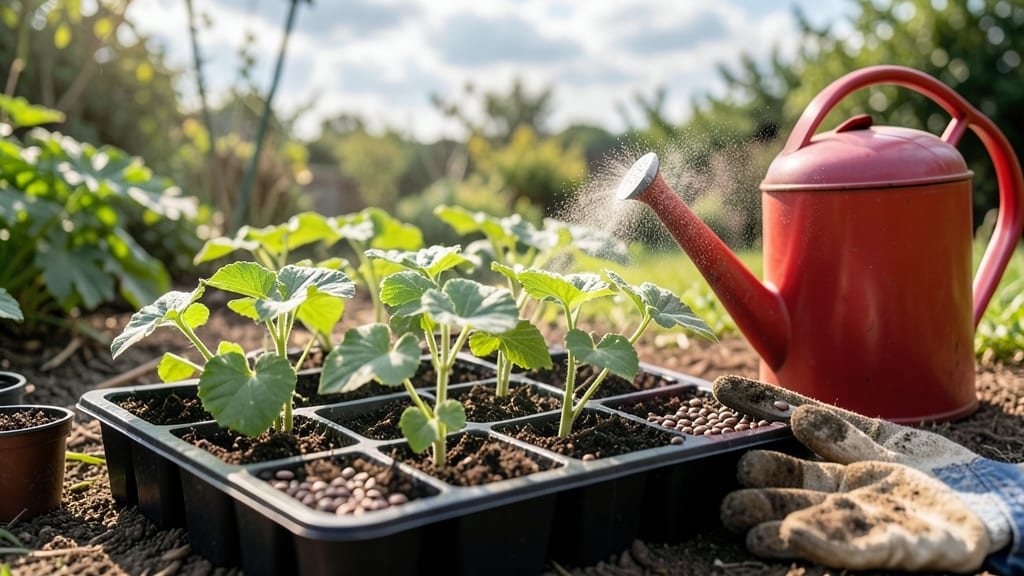
How long does it take for watermelon to germinate? Under ideal conditions, watermelon seeds sprout in 3 to 10 days, but many gardeners wait far longer—sometimes weeks—before seeing those first hopeful sprouts peek through the soil.
If you’ve ever stared at a tray of damp soil wondering, "Why aren’t these seeds working?" you’re not alone. The truth is, a few small tweaks—like soil warmth, moisture, and even seed prep—can cut that wait time down to just 3 to 7 days.
Here’s what you need to know: soil temperature is the most critical factor, with watermelons thriving when it hovers between 70°F and 90°F. Too cool, and germination slows to a crawl. Too dry, and seeds may never wake up at all.
In this guide, I’ll walk you through the exact steps to speed up germination—from pre-soaking seeds to maintaining the perfect environment—so you can get your 🍉 patch off to a fast start this spring.

Watermelon germination timeline: days to sprouts by seed type
Watermelon seeds are famous for their fast germination when conditions are just right. Under ideal circumstances, you can expect those first tiny green sprouts to appear in as little as 3 to 7 days.
However, the actual timeline depends heavily on whether you're growing heirloom or hybrid varieties, along with other key factors like soil temperature and moisture levels.
Most gardeners assume all watermelon seeds germinate at the same speed, but that’s not true. Hybrid seeds often sprout 1-2 days faster than heirlooms due to selective breeding for consistency.
Meanwhile, older seeds or those stored improperly may take 10-14 days—or worse, fail entirely. Understanding these differences helps you set realistic expectations and troubleshoot delays.
Let’s break down the germination timelines by seed type, along with the critical factors that influence how quickly your watermelon seeds will push through the soil. This summary table will give you a clear snapshot of what to expect and how to optimize your success.
🌱
| Seed Type | Germination Time (Days) | Optimal Soil Temp (°F) | Key Factors for Success |
|---|---|---|---|
| Hybrid Seeds | 3–7 days | 70–90°F | Bred for consistency; faster sprout rate |
| Heirloom Seeds | 5–10 days | 75–85°F | Genetic diversity may slow germination slightly |
| Old/Stored Seeds | 10–14+ days | 80–90°F | Viability drops after 3–5 years; pre-soak to help |
| Cold Soil (<60°F) | 14–21+ days | 60–65°F | Seeds may rot or fail; use heat mats |
From the table, you can see that soil temperature is the single biggest factor in germination speed. Watermelon seeds need warmth to activate their enzymes and break dormancy. If your soil is below 70°F (21°C), germination can stall for weeks—or never happen at all.
That’s why I always use a soil thermometer to monitor conditions before planting.
Another critical factor is moisture consistency. Seeds need steady dampness—not soggy soil—to sprout. I recommend keeping the soil evenly moist (like a wrung-out sponge) during germination. Overwatering can suffocate seeds, while underwatering causes them to dry out and die.
A simple trick? Use a spray bottle to mist seeds lightly every other day until sprouts appear.
Seed age also plays a role. Fresh watermelon seeds (from the current year) germinate reliably in 3–7 days, but seeds older than 3 years may take twice as long—or fail entirely.
If you’re unsure about your seeds, do a quick viability test: soak them in water overnight. Seeds that sink are still good; those that float are likely dead.
What about light exposure? Many gardeners wonder if seeds need light to germinate. The answer? No—watermelon seeds sprout best in darkness. Once they’ve broken the soil surface, they’ll seek light, but until then, keep them covered with about ½ inch of soil.
This protects them from drying out and encourages stronger roots.
Finally, let’s talk about what’s normal vs. delayed germination. If your seeds haven’t sprouted within 10 days under ideal conditions (75–85°F soil, consistent moisture), it’s time to investigate. Common culprits include old seeds, poor soil quality, or fungal infections.
In my experience, most delays come down to temperature—so if your soil is cool, don’t panic. Just add a heat mat or move your pots to a warmer spot.
💧
5 Proven tips to speed up watermelon germination in 3-7 days
Watermelon seeds can be finicky, often taking 7 to 14 days to sprout under average conditions. But with the right approach, you can cut that time in half—sometimes even to just 3 days! The key lies in mimicking the warm, moist environment watermelons crave in their native tropical climates.
I’ve tested these methods in my own garden, and they’ve consistently delivered faster, stronger sprouts. Let’s dive into the 5 proven strategies that’ll get your watermelon seeds popping in record time.
First, understand that soil temperature is the #1 factor controlling germination speed. Watermelons thrive when soil stays between 70°F and 90°F—any cooler, and sprouts will lag. If your spring soil is still chilly, don’t wait—use heat mats or start seeds indoors under grow lights.
I once had seeds take 21 days to germinate in 55°F soil, but switching to a heated mat cut that to just 5 days. The difference is night and day.
One common mistake I see gardeners make is overwatering right after planting. While watermelon seeds need moisture, soggy soil suffocates them by cutting off oxygen. Instead, aim for consistently damp (not wet) soil.
I use a spray bottle to mist the surface daily until sprouts appear, then switch to gentle watering at the base. Another pro tip: plant in sterile potting mix to prevent fungal infections, which can stall germination entirely.
Light exposure is often underestimated, but it’s critical for fast germination. Watermelon seeds need bright, indirect light to trigger the enzymes that break down stored nutrients.
If your seedlings start stretching toward the light (a sign of etiolation), move them closer to your light source or supplement with a grow bulb. I’ve seen seedlings that took 14 days to sprout in dim light versus 4 days under optimal lighting.
Finally, don’t forget to test your seeds first. Place 5-10 seeds on a damp paper towel in a sealed bag for 3 days. If fewer than 80% sprout, your batch may be old or low-quality. I once bought seeds that only germinated at 50%—a waste of time!
For best results, use fresh seeds (1-2 years old) from a reputable supplier. With these tips, you’ll be harvesting juicy watermelons in no time—just imagine slicing into your first homegrown fruit by mid-summer! 🍉