
How To
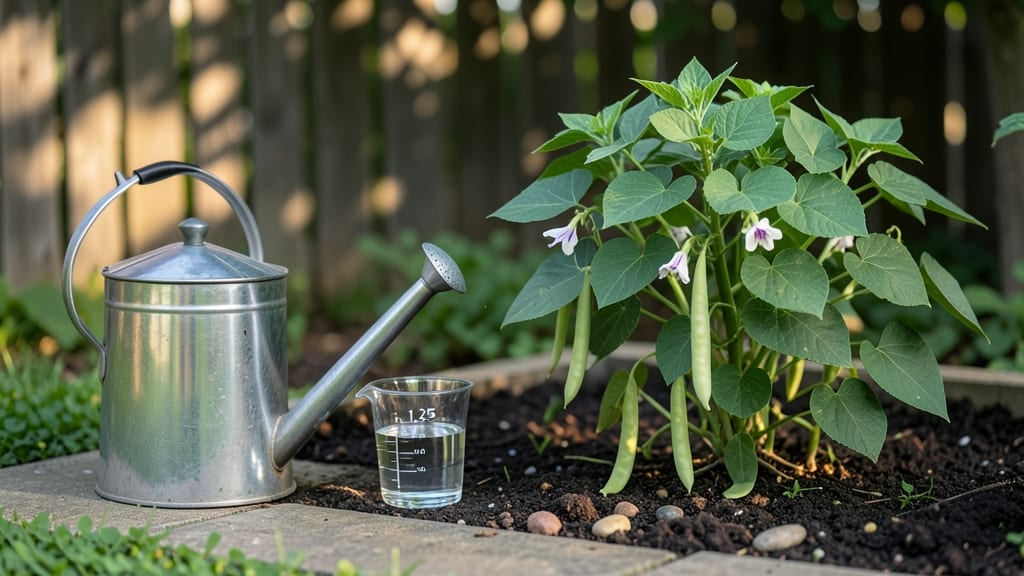
Green beans need about 1 to 1.5 inches of water per week to thrive, but the real trick is keeping their soil evenly moist—not soggy, not dry.
That said, I’ve watched perfectly healthy plants turn into sad, wilted messes because of one simple mistake: watering too much or too little at the wrong time. The difference between a bumper crop and a bust is all in the schedule—and yes, bush and pole varieties have different needs.
Whether you’re dealing with bush beans that stay low to the ground or pole varieties climbing up a trellis, the key is consistency. Too much water drowns roots, while too little stunts growth, and neither scenario ends with the crisp, sweet pods you’re after.
Below, I’ll break down the exact watering schedule by variety, how to spot over- or underwatering, and the best methods to keep your 🌱 green beans happy all season long—no guesswork required.
Weekly watering schedule for green beans: bush vs pole varieties compared
Green beans are one of the easiest vegetables to grow, but their watering needs change dramatically from seedling to harvest. Unlike bush beans, which stay compact, pole beans climb and need consistent moisture to support their vines.
Skipping watering can lead to stunted growth, while overwatering causes root rot—both kill your yield. Let’s break down the exact schedule for each variety by growth stage.
First, understand that green beans need 1-1.5 inches of water per week on average, but this shifts based on heat, soil type, and variety. Bush beans have shallower roots, so they dry out faster, while pole beans need deeper watering to reach their towering vines.
Mulching with straw or shredded leaves helps retain moisture and keeps roots cool—critical in summer when evaporation spikes.
Now, let’s compare their needs side by side. The table below shows weekly watering schedules for each stage: seedling, flowering, and podding. Pay close attention to the frequency and depth of watering—this is where most gardeners go wrong.
During the seedling stage, focus on gentle watering—avoid blasting seedlings with a hose. Use a watering can with a fine rose or drip irrigation to prevent washing away soil. Pole beans need slightly more water here because their deeper roots require moisture to establish.
If your seedlings look wilted by midday, increase frequency to every 2 days.
When beans enter the flowering stage, they’re most sensitive to water stress. Bush beans may drop flowers if underwatered, while pole beans could develop weak vines. Water deeply in the morning to allow foliage to dry before nightfall—this prevents fungal diseases like powdery mildew.
A simple trick? Stick your finger 1 inch into the soil; if it’s dry, it’s time to water.
The podding stage is where most gardeners make mistakes. Overwatering leads to blossom end rot (black tips on pods), while underwatering causes stunted pods. Pole beans need 10-20% more water than bush varieties because their extensive root systems demand more.
If your pods are small and tough, your plants are thirsty—adjust to every 4-5 days.
In hot climates, increase watering to every 2-3 days and mulch heavily. In cooler weather, reduce to every 5-7 days. Always water at the base of the plant, not overhead, to minimize disease risk. Pro tip: Use a moist
Signs your green beans are overwatered or underwatered (and how to fix it)
Green beans thrive on consistent moisture, but too much or too little water can spell disaster. Yellowing leaves, wilting stems, or blossom end rot often signal watering issues. Understanding these signs helps you adjust before your plants suffer permanent damage.
Overwatering creates anaerobic soil, suffocating roots and inviting fungal diseases. Underwatering stresses plants, stunting growth and reducing pod production. Both extremes disrupt the 1-1.5 inches per week moisture balance green beans need for optimal health.
⚠️ How Much Water Do Green Beans Need?
Green beans require 1-1.5 inches of water weekly, but adjust based on soil type and climate. Sandy soils dry faster—water daily during heatwaves, while clay soils may need every 5-7 days. Always water deeply at soil level to avoid wetting leaves, which causes disease.
Yellowing leaves often indicate overwatering or poor drainage. Check the soil: if it's soggy and smells like rot, you're overdoing it. Root rot appears as mushy, dark roots and wilting despite wet soil. Reduce watering immediately and improve drainage with compost or sand.
Underwatered green beans show crispy edges on leaves and droop even when soil is dry. The pods may shrivel or fail to develop. To fix this, water deeply in the morning and apply 2-3 inches of mulch to retain moisture. Drip irrigation helps maintain consistent soil moisture.
Blossom end rot—black, sunken spots on pods—often signals calcium deficiency from uneven moisture. While not directly water-related, it's worsened by fluctuating soil moisture. Keep soil evenly moist and add crushed eggshells or calcium-rich fertilizer to prevent this issue.
For both problems, test soil moisture before watering: stick your finger 1-2 inches deep. If dry, water thoroughly; if damp, wait. Adjust your schedule based on seasonal changes—summer may require daily watering, while spring needs every 3-4 days.