
Watering
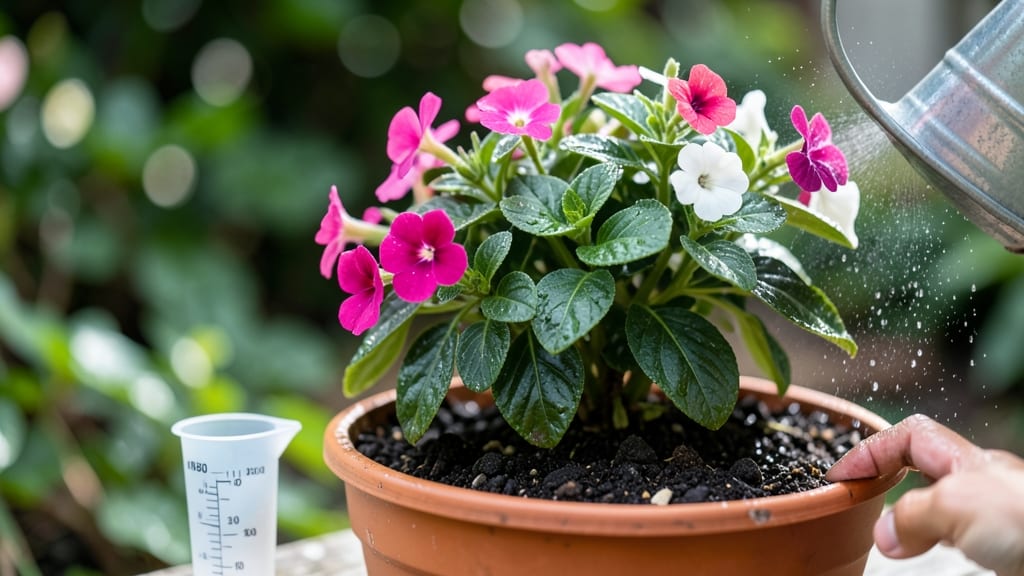
Impatiens need consistent moisture—about 1 to 1.5 inches of water per week—to keep their vibrant blooms thriving without wilting or turning crispy.
These tropical beauties 🌸 can’t handle dry spells, but they’ll sulk just as fast if you drown them. The key? A daily check of the top inch of soil—water when it’s dry, but never let them sit in soggy conditions.
Summer heat and humidity change the game, demanding more frequent watering, while cooler months ease up. Below, I’ll break down the exact schedule, signs of over- or under-watering, and the simple tricks to keep your impatiens lush all season.
Master this routine, and you’ll enjoy bold, droop-free blooms from spring through fall—no guesswork required.
The perfect watering schedule for impatiens: how often and when to water
Impatiens are tropical plants that love consistent moisture, but their watering needs change with the seasons and soil type. Too much water causes root rot, while too little leads to crispy leaves and faded blooms.
The key is balancing moisture without drowning their delicate roots—here’s how I do it for my thriving impatiens every year.
These shade-loving beauties prefer soil that stays evenly damp but never soggy. In containers, they dry out faster than in garden beds, so I adjust my schedule accordingly. The best time to water is early morning (before 10 AM) to prevent fungal diseases from evening humidity.
Soil type makes all the difference: sandy soil drains quickly, while clay holds moisture longer. I’ve learned to check soil moisture before watering—here’s my foolproof method:
| Season | Frequency | Soil Check | Water Amount | Best Time |
|---|---|---|---|---|
| Spring | Daily | Top 1-2 inches dry | 1 cup per plant | Morning |
| Summer | Daily-Every Other Day | Top 1 inch dry | 1.5 cups per plant | Morning |
| Fall | Every Other Day | Top 2 inches dry | 1 cup per plant | Morning |
| Winter (Containers) | Bi-weekly | Top 3 inches dry | 0.5 cup per plant | Morning |
For sandy soil, I water more frequently—sometimes twice daily in peak summer—because it drains like a sieve. In clay soil, I space waterings out to every 3 days in summer, as moisture lingers longer.
Always water at the base of the plant to avoid wetting leaves, which can trigger powdery mildew.
My finger test is the simplest way to check moisture: stick your finger 1-2 inches into the soil. If it feels dry, water thoroughly until you see moisture seep from the drainage holes (for pots) or the top inch feels damp (for in-ground plants).
This method saves me from both overwatering and underwatering mistakes.
During heatwaves (above 90°F), I increase watering to every other morning and add mulch to retain moisture. For container-grown impatiens, I use self-watering pots with saucers to keep roots hydrated without soggy soil. Evening watering is a no-go—it encourages fungal growth and attracts pests like slugs.
In fall, as temperatures drop, I reduce watering to every other day and let the top 2 inches of soil dry out between waterings. This mimics their natural dormancy period and prevents root rot.
For winter care in containers, I water only when the top 3 inches are bone-dry, usually every 2 weeks.
One common mistake I see is watering impatiens on a strict schedule without checking soil moisture. Plants in shadier spots need less water than those in bright indirect light.
I always adjust based on their location and leaf condition—wilting leaves mean it’s time to water, but crispy edges signal overwatering.
To keep your impatiens blooming all season, combine this watering schedule with regular deadheading and a balanced fertilizer every 4-6 weeks. With the right moisture balance, your impatiens will reward you with non-stop color from spring until frost.
🌸
Signs your impatiens are thirsty (or drowning): 7 telltale symptoms to watch
Impatiens 🌸 are finicky about moisture—they hate soggy roots but also wilt dramatically when thirsty. The key is spotting these 7 subtle signs before your plants protest with yellow leaves or moldy stems. Most gardeners confuse underwatering for overwatering (or vice versa), so let’s decode their SOS signals.
Start by checking the soil moisture—stick your finger 1-2 inches deep. If it feels dry, your impatiens are thirsty. If it’s damp but leaves still droop, you’re likely overwatering. The fix? Adjust your schedule immediately—these plants prefer consistent dampness, not waterlogged soil.
⚠️ PROS-CONS BOX: How Much Water Do Impatiens Need?
Keeps soil consistently moist
Causes root rot in 3-5 days
Reduces fungal risk
Leads to guesswork and stress
Retains moisture longer
Traps excess water
Delivers water directly to roots
Encourages mildew
Here’s the quick diagnostic guide for your drooping impatiens: Crispy leaf edges mean underwatering, while yellowing leaves (starting at the bottom) signal overwatering. Moldy stems or a sour smell from the soil?
That’s a fungal infection from too much love. Act fast—trim affected areas with sterilized scissors and repot if needed.
Don’t ignore wilting in the heat—impatiens droop naturally during the day but should perk up by evening. If they stay limp, it’s a thirst signal.
Give them a deep drink (soak the soil until water runs out the drainage holes) and move them to partial shade until they recover. Pro tip: Group plants together to create a microclimate that retains moisture longer.
For container-grown impatiens, check the weight of the pot—if it feels light, it’s time to water. If the soil stays clumpy when squeezed, hold off. Outdoor impatiens need more frequent checks in full sun (every 1-2 days) vs. shadier spots (every 2-3 days).
Adjust based on your local humidity—dry air means thirstier plants.
Remember: Impatiens hate extremes. Aim for consistent moisture, not soggy or bone-dry soil. Once you master these 7 symptoms, your impatiens will reward you with nonstop blooms all season. 🌷