
How To
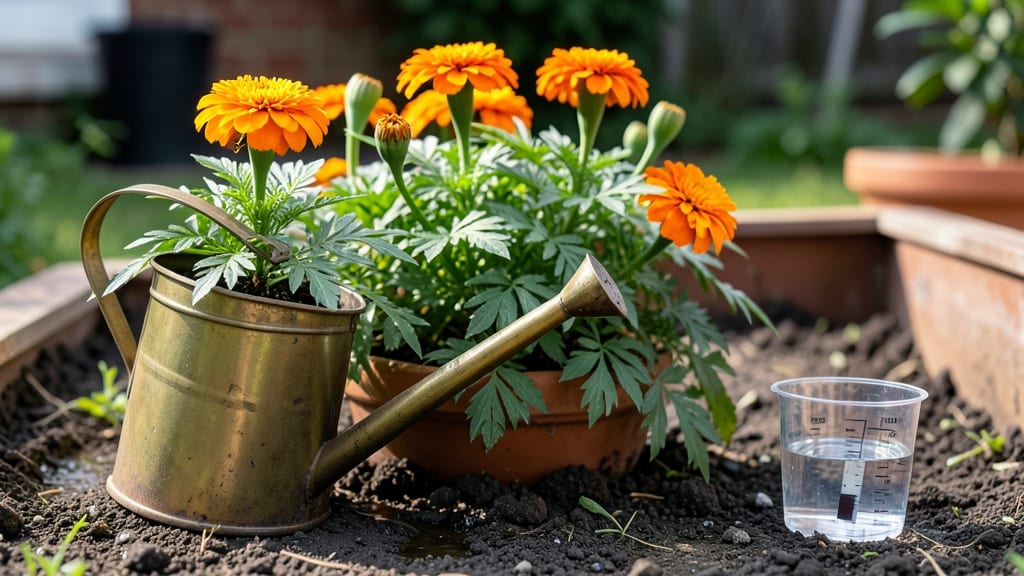
Marigolds need about 1 inch of water per week once established, but the real trick is checking soil moisture before you water—because these cheerful blooms 🌼 hate soggy roots just as much as they hate thirst.
Picture this: you’re out in the garden on a 90-degree afternoon, and your marigolds look droopy. Is it thirst? Or did you overdo it yesterday? The answer lies in your fingers, not the calendar. A simple soil check can save you from both underwatering and drowning your plants.
Seasonal shifts change everything—summer heat demands more frequent watering, while fall slows things down. And if you’re growing marigolds in pots, they dry out twice as fast as in-ground plants. The key is adapting without guessing.
Below, I’ll show you the exact soil test method, seasonal watering schedules, and pro tips to keep your marigolds thriving with zero wilting—no matter what the weather throws at you.
Marigold watering schedule by season: avoid overwatering mistakes
Marigolds thrive on consistency, but their watering needs shift dramatically with the seasons. In spring, when roots establish, they need 1 inch of water per week—about 3-5 days apart—while summer’s heat demands daily checks for wilting.
The key is adapting without drowning them; soggy roots invite root rot, while dry soil causes drooping petals. I’ve learned the hard way that African marigolds (taller varieties) handle heat better than French marigolds, which need more frequent sips.
Your first clue about thirst? Stick your finger 1-2 inches deep into the soil. If it feels dry at that depth, it’s time to water. For container-grown marigolds, the soil dries faster—check daily in summer.
In-ground plants can wait longer, especially if mulched. I always water in the early morning to prevent fungal diseases from evening moisture.
Here’s the breakdown: spring and fall are moderate, summer is high, and winter is minimal. Heatwaves? Increase frequency but reduce volume to avoid runoff. Drought stress shows as yellowing leaves or bud drop—signs your marigolds are screaming for help.
French marigolds, with their delicate, lacy petals, wilt faster in heat than their African cousins, which boast bold, double blooms and thicker stems. That’s why I prioritize morning watering for French types—it mimics natural dew cycles and reduces stress.
African marigolds can handle slightly drier soil, but don’t push it: even they’ll protest with crispy leaf edges if ignored.
Watch for early signs of overwatering: yellowing leaves, mushy stems, or white mold on soil. Underwatering? Leaves curl upward, and buds fail to open. My trick? Use a moisture meter for the first two weeks to train your eye.
Once you’ve mastered the finger test, you’ll spot the difference between thirsty and drowning marigolds in seconds.
Mulching is non-negotiable in summer. A 2-inch layer of straw or shredded leaves locks in moisture while keeping roots cool. I’ve seen marigolds in mulched beds thrive on half the water of unmulched neighbors. For containers, elevate pots off the ground to prevent root suffocation from stagnant water.
Drought-proofing starts in early summer. Gradually reduce watering to harden off plants, then let the soil dry 50% more between waterings. My African marigolds have survived 90°F weeks with just every-other-day watering—but only because I’d been tapering their drinks since June.
Pro tip: Group marigolds with similar-thirsty plants like zinnias or cosmos to create a microclimate that retains moisture. Avoid pairing them with water hogs like sunflowers, which will outcompete them. And always water at the base, never the leaves—this prevents powdery mildew, a common marigold nemesis.
By autumn, marigolds slow their growth, and their water needs drop sharply. Cut back to weekly checks—if the soil’s damp 2 inches deep, wait. Overwatering in fall leads to rot before frost, and nobody wants a sad, soggy marigold come winter.
I mark my calendar for October 15th to stop fertilizing and reduce watering entirely by November.
Remember: marigolds are drought-tolerant, not drought-loving. They’ll bounce back from a missed watering, but they’ll also tell you when they’re unhappy. Listen to those drooping signals, adjust your schedule, and soon you’ll have marigolds that bloom all season long, not just when you remember to water them.
The perfect soil check method: 3 finger tricks to water marigolds right
Marigolds may seem low-maintenance, but their watering needs are the secret to vibrant blooms. The key lies in your fingertips—literally! A simple soil moisture check with your fingers reveals exactly when to water, preventing both underwatering and overwatering.
Unlike thirsty annuals, marigolds prefer their soil to dry out slightly between waterings, but they hate soggy roots. The 3-finger trick gives you an instant read on soil conditions without guesswork.
Start by sticking your index finger into the soil near the plant's base. For container-grown marigolds, aim for 1 inch deep—this is where the roots actively seek moisture. In garden beds, push your finger 2-3 inches down to check the root zone.
The texture and dampness here tell you everything you need to know about whether your marigolds need water or not. This tactile method beats relying on rigid schedules, which often lead to wilting or root rot.
🌱 Marigold Watering Finger Guide
- 👆 1 inch deep (containers): Soil feels dry at your first knuckle? Water immediately. If damp, wait 1-2 days.
- 👆 2-3 inches deep (garden beds): Dry at second knuckle? Water thoroughly. Moisture here means hold off for 3-5 days.
- 👆 Clay vs. sand: Clay holds moisture longer—wait until 3rd knuckle feels dry. Sandy soil dries fast; check daily in extreme heat.
- 👆 Morning check: Always test soil in the morning. Evening moisture readings can be misleading after afternoon watering.
- 👆 Wilting leaves? Check soil first! Drooping often means thirst, but yellowing leaves signal overwatering.
Adjust your watering based on what you feel. If the soil at the target depth feels dry and crumbly, it's time to water deeply—about 1 cup per plant for containers or 1 gallon per square foot in garden beds.
For African marigolds, which have deeper roots, you might need to water less frequently but more thoroughly. Conversely, French marigolds with shallower roots may need more frequent, lighter watering. Always water at the soil level, never the leaves, to avoid fungal diseases.
Common mistakes like watering on a schedule or ignoring soil texture lead to marigold woes. For example, clay soil stays wet longer, while sandy soil dries out quickly.
Use this finger test to adapt—if your marigolds are in containers, they may need water every 2-3 days in summer, while in-ground plants might only need water every 5-7 days. Pay attention to your marigolds' growth signals: crisp leaves and upright stems mean you're nailing it!
Pro tip: Pair this finger test with mulching to regulate soil moisture. A 2-inch layer of organic mulch keeps roots cool and retains moisture, reducing how often you need to check.
In summer heatwaves, you might need to water daily, but the finger test ensures you're not drowning the roots. Always water in the early morning to minimize evaporation and fungal risks. With this method, your marigolds will stay perky and pest-free all season long.
Remember, marigolds are drought-tolerant once established, but they still need consistent moisture during their growth phase. The finger test removes the guesswork, so you can enjoy watching those bright orange and gold blooms thrive without the stress of over- or underwatering.
Give it a try—your marigolds (and your green thumb) will thank you!