
How To
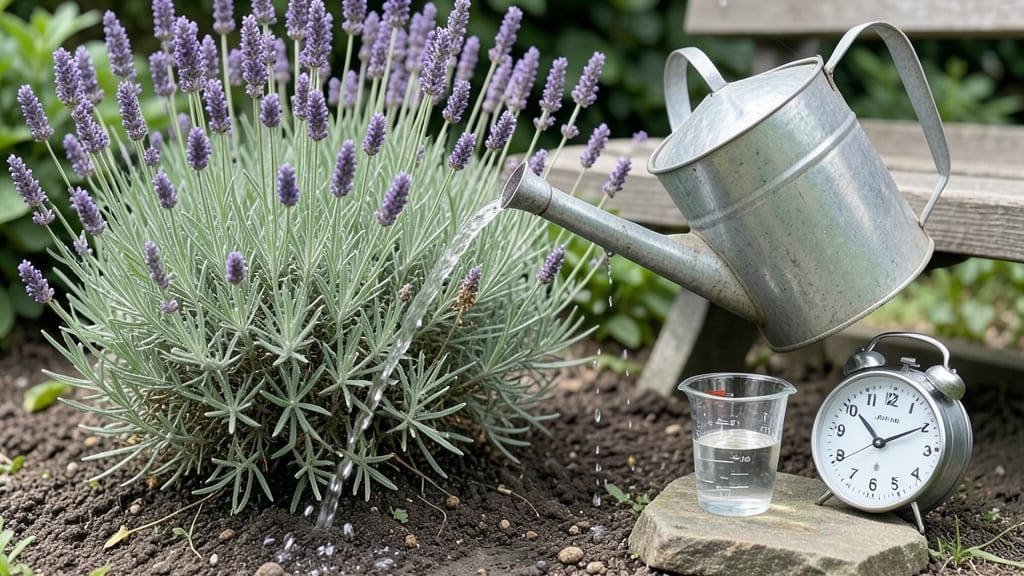
Lavender needs deep but infrequent watering—think soaking the soil just once every 7 to 10 days in spring and summer, less often in cooler months—to thrive without drowning its Mediterranean roots.
Struggling to keep your lavender looking lush and fragrant? Overwatering or underwatering are the #1 killers of these drought-resistant plants—discover the exact watering schedule that turns wilting stems into thriving bushes.
Most gardeners make the mistake of treating lavender like a thirsty annual, but its secret lies in mimicking dry climates. Too much water causes root rot, while too little stresses the plant into leggy, sparse growth.
The key is balance: moist soil at the roots, but dry at the surface.
Below, I’ll break down the seasonal watering calendar, how to spot over- or under-watering, and five pro tips to cut your watering time by 70%—so you can enjoy that signature lavender scent without the guesswork.
Lavender watering schedule: how often to water by season and climate
Lavender thrives on minimal watering—too much moisture is its biggest enemy. As a native of Mediterranean climates, lavender has adapted to survive on infrequent, deep watering rather than frequent shallow drinks.
The key is mimicking its natural environment: dry spells followed by thorough hydration. This schedule ensures your lavender stays fragrant, healthy, and drought-resistant while avoiding the pitfalls of soggy soil.
Your lavender's water needs shift dramatically with seasons and climate. In hot, dry regions (like California or Arizona), lavender may need water every 10-14 days, while in cooler, moist climates (like the Pacific Northwest), you might water every 7-10 days.
Soil type also plays a critical role—sandy soil drains faster than clay, meaning you’ll need to water more often in the latter. Let’s break it down by season to keep your lavender happy and thriving.
In spring, lavender wakes up from dormancy and needs consistent moisture to encourage new growth. Water deeply every 7-10 days in hot climates or every 10-14 days in cooler areas. Check soil moisture by sticking your finger 1-2 inches deep—if it feels dry, it’s time to water.
Avoid light, frequent watering, as this encourages shallow roots and weak stems. Instead, aim for thorough saturation that penetrates 6-8 inches deep.
Summer is when lavender’s drought tolerance truly shines. In hot, dry climates, reduce watering to every 10-14 days, letting the soil dry out completely between sessions. For cooler, moist climates, stretch it to every 2-3 weeks.
The goal is to mimic the Mediterranean dry season, where lavender survives on stored moisture. Overwatering in summer leads to root rot and fungal diseases, so resist the urge to water if the soil still feels damp.
As fall arrives, lavender prepares for dormancy, and water needs drop significantly. Reduce frequency to every 3-4 weeks, regardless of climate. This gradual reduction helps the plant harden off for winter.
Always water in the morning to allow foliage to dry before evening, reducing the risk of mold and mildew. In clay-heavy soil, which holds moisture longer, you may need to water even less frequently.
Winter watering is minimal—often none at all if your region gets regular rain. In hot, dry winters, water monthly if there’s no rainfall, but in cool, moist climates, you might only need to water every 6-8 weeks.
The key is to never let lavender sit in soggy soil
Signs your lavender is overwatered or underwatered (and how to fix it)
Lavender thrives on neglect, but even this hardy herb can show distress when watered incorrectly. Overwatering and underwatering both trigger visible symptoms—learn to spot them early to save your plants.
Since lavender hails from Mediterranean climates, it’s adapted to dry conditions, making water stress easy to misdiagnose. Let’s decode the clues your lavender is silently screaming for help.
Start by checking the soil moisture—stick your finger 2 inches deep. If it’s damp, you’re likely overdoing it. If it’s bone-dry, your lavender is thirsty. Yellowing leaves or mushy stems scream "too wet," while dry, crispy foliage or wilting signals dehydration.
Both extremes stunt growth and weaken your plant’s resilience. The key? Mimic its natural habitat with infrequent, deep watering.
⚠️ How Much Water Does Lavender Need?
Lavender needs: 1 inch of water every 7–10 days in summer, bi-weekly in spring/fall, and monthly in winter. Morning watering prevents fungal growth, and well-draining soil is non-negotiable. Overwatering kills faster than underwatering—test soil before watering!
Overwatered lavender often develops grayish mold on stems or soil (a red flag for root rot). Pull back the mulch—if the base smells sour or feels soggy, your plant is drowning. Prune affected stems immediately and reduce watering to every 2 weeks.
For severe cases, repot in sandy, gritty soil to improve drainage. Patience is key; lavender recovers slowly but will bounce back with proper care.
Underwatered lavender shows crispy, brown edges on leaves and stems that snap easily. Unlike wilting from heat stress, these plants feel bone-dry at the roots. Revive them by watering deeply once, then returning to your infrequent schedule.
Add organic mulch (like gravel or straw) to lock in moisture. If your lavender is in a container, ensure the pot has drainage holes—root-bound plants dehydrate faster.
Don’t ignore leaf drop or stunted growth, either—both can signal water stress.
Lavender grows slowly in its first year, but if it’s completely stagnant, reassess your watering habits. Adjust seasonally: summer heat demands more frequent checks, while winter’s chill means your lavender can survive on rain alone.
A simple soil moisture meter ($10 at garden centers) takes the guesswork out of watering.
Pro tip: Group lavender with drought-tolerant plants like rosemary or thyme to create a low-maintenance Mediterranean border. This mimics their native conditions and reduces the temptation to overwater. With the right balance, your lavender will reward you with fragrant blooms and silver-green foliage for years. 🌿