
How To
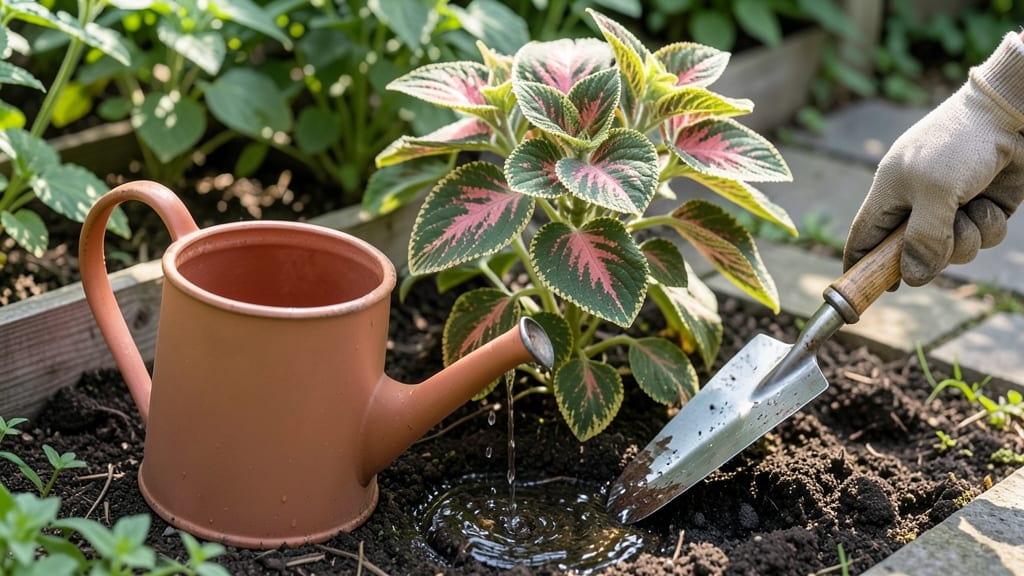
Watering coleus the right way keeps those vibrant leaves lush and healthy—but too much or too little water can turn your plants into sad, crispy shadows.
Struggling to keep your coleus plants vibrant and thriving? Overwatering or underwatering can turn those stunning leaves into sad, crispy messes—fast. The secret to lush coleus growth lies in mastering the soil dry test, a simple yet often overlooked technique that ensures your plants drink just the right amount.
Unlike drought-tolerant succulents, coleus prefers consistently moist soil—but never soggy. Stick your finger an inch deep into the soil; if it feels dry, it’s time to water.
In USDA Zone 6a, spring and summer heat means checking soil moisture every 2-3 days, while winter slows things down to once a week.
Whether your coleus is basking in morning sun or thriving indoors, I’ll show you how to adjust watering for indoor vs. outdoor conditions, spot the signs of over- or under-watering, and keep your plants looking their best all season long.
The perfect watering schedule for coleus: soil dry test method explained
Mastering the soil dry test is the key to keeping your coleus plants thriving with their signature vibrant foliage. Unlike rigid watering schedules, this method adapts to your plant's real-time needs, preventing both root rot and wilting. The secret? Checking moisture at the right depth—where those deep roots actually drink.
Most gardeners make the mistake of watering based on time rather than soil conditions. A coleus in a sunny window may need watering every 1-2 days, while the same plant in shady conditions could go 5-7 days between drinks.
The soil dry test removes the guesswork by giving you a clear, tactile signal when it's time to water.
How Often to Water Coleus: Step-by-Step Guide
- Step 1: Insert your finger 1-2 inches into the soil near the plant's base. This is where the top roots actively absorb water.
- Step 2: Gently squeeze the soil between your thumb and forefinger. If it feels light and crumbly, it's time to water.
- Step 3: For container-grown coleus, check the soil at the bottom of the pot—this is where roots often seek moisture first.
- Step 4: Water until you see moisture emerge from the drainage holes (for pots) or until the top 6 inches of soil are evenly damp.
- Step 5: Adjust your schedule based on seasonal changes—water less in winter (every 7-10 days) and more in summer (every 1-2 days).
💧 Pro Tip: Use a moisture meter for accuracy, especially in humid climates where soil may feel damp but still needs water.
Your coleus plant thrives on consistently moist (not soggy) soil, but the exact frequency depends on your environment. In low humidity areas, you'll water more often than in high humidity regions where evaporation slows. Always water in the morning to prevent fungal issues from overnight moisture.
One common mistake is only checking the surface soil. The top layer may feel dry while deeper roots still have moisture. Always test at 1-2 inches deep—this is where your coleus's roots are actively drinking.
For potted coleus, lift the pot slightly to check the bottom for moisture clues.
Seasonal adjustments are critical. During spring and summer, when growth is rapid, your coleus may need watering every 1-2 days. In fall and winter, growth slows, and you can stretch watering to every 7-10 days.
Pay attention to leaf color—yellowing leaves often signal overwatering, while crispy edges mean underwatering.
Humidity plays a surprising role in watering frequency. In humid climates (like the Southeast U.S.), soil stays moist longer, so you might only need to water every 3-4 days.
In arid regions, evaporation happens fast, requiring watering every 1-2 days. Always adjust based on your local conditions rather than following generic schedules.
For outdoor coleus, mulch around the base to retain moisture and reduce evaporation. A 2-inch layer of mulch can cut watering needs by up to 30%. In containers, choose pots with drainage holes and use well-draining soil to prevent waterlogging, which leads to root rot.
Watch your coleus's leaves for signs of stress. Drooping foliage in the morning often means thirst, while yellow leaves with brown edges suggest overwatering. Adjust your schedule based on these visual cues—your coleus will thank you with bold, vibrant colors all season long.
Remember, the soil dry test is your coleus's way of communicating. By listening to what the soil tells you—rather than relying on a calendar—you'll create the perfect balance of moisture for healthy roots and showstopping foliage.
With this method, your coleus will stay lush, colorful, and thriving from spring until frost.
Coleus watering mistakes that kill your plants (and how to fix them)
Even experienced gardeners accidentally drown their coleus plants by following rigid watering schedules instead of reading soil conditions. The most common mistake? Assuming coleus loves moisture—when in reality, soggy soil suffocates roots faster than you’d think.
I’ve lost count of how many vibrant coleus varieties turned mushy because of this exact oversight.
Another silent killer is ignoring drainage holes in pots. Without them, excess water pools at the bottom, creating the perfect breeding ground for root rot. Even if your container looks sturdy, check the base—if water sits for more than 30 minutes after watering, your coleus is in danger.
⚠️ callout warning ⚠️
⚠️ How Often to Water Coleus? ⚠️
Outdoor coleus: Water when top 1-2 inches of soil feel dry (usually every 2-3 days in summer).
Indoor coleus: Check soil daily—containers dry faster. Never water on a schedule; always test first!
Winter slowdown: Reduce to every 7-10 days—coleus enters dormancy and needs far less.
Yellowing leaves? That’s your coleus screaming for help. Overwatering causes leaves to turn yellow and mushy, while underwatering leads to crispy, brown edges. The fix? Stick your finger 1 inch deep into the soil—if it’s dry, water thoroughly until it drains from the bottom.
If it’s still damp, wait another day.
Moldy soil or a foul smell? That’s fungal gnats throwing a party in your pot. Dump the plant, scrub the container with soapy water, and repot with fresh, well-draining soil. Add a layer of perlite or sand to improve aeration—coleus roots need air almost as much as water.
Pro tip: Group your coleus with other humidity-loving plants like ferns or calatheas. The extra moisture in the air reduces how often you need to water, especially in dry climates. Just avoid placing them near drafts or AC vents—cold air stress makes coleus even more sensitive to moisture.
Still unsure? Grab a moisture meter for $10—it’s the easiest way to stop guessing. Coleus thrives on consistency, not perfection. With these fixes, your plants will bounce back in 2-3 weeks, and those showstopping leaves will be back in full force. 🌿