
Watering
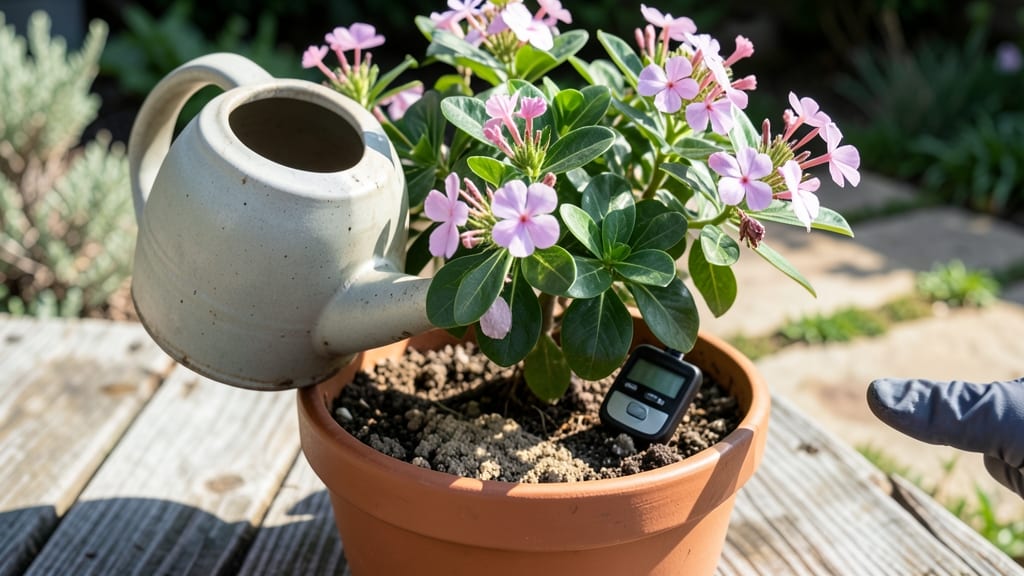
Watering vinca in pots the right way means checking soil dryness every 5-7 days—too much or too little water can turn your 🌸 vinca from lush to limp.
Struggling to keep your potted vinca plants lush and vibrant? Overwatering or underwatering can quickly turn your thriving garden into a sad, wilted mess—here’s the foolproof guide to nailing vinca’s watering schedule.
Unlike vinca planted in the ground, potted vinca dries out faster because containers have less moisture retention. The key is adjusting for your climate, pot size, and soil type—drainage holes are a must, and well-draining soil prevents root rot.
Below, I’ll walk you through the soil-dry test, seasonal adjustments, and how to spot signs of over- or under-watering so your vinca stays healthy all year.
The perfect watering schedule for potted vinca based on soil dryness
Vinca plants are tough survivors, but even they need a reliable watering routine to thrive in pots. Unlike in-ground plants, container-grown vinca dries out faster, making soil dryness your best guide. The key is balancing moisture without drowning those roots—especially in small pots where drainage is critical.
I’ve learned that vinca prefers consistent moisture but hates soggy soil, which can lead to root rot. Let’s break down how to check soil dryness and adjust your watering schedule like a pro.
First, understand that vinca’s water needs shift with seasons, pot size, and even your local climate. A 5-gallon pot in summer might need watering every 3-5 days, while the same plant in winter could go 10-14 days between drinks.
The trick? Always check the soil before watering. Skipping this step is how most gardeners accidentally kill their vinca. I’ll show you exactly how to test soil dryness—no guesswork involved.
Let’s talk about the finger test, my go-to method for potted vinca. Stick your index finger about 1-2 inches deep into the soil. If it comes out clean and dry, water immediately. If it’s still damp, wait another day or two.
I’ve found that vinca in terracotta pots dries out faster than in plastic because terracotta breathes. Pro tip: If your vinca’s leaves start curling at the edges, it’s a cry for water—don’t wait another day!
Visual cues are your backup when the finger test isn’t enough. Yellowing leaves often signal overwatering, while dull, gray-green foliage means underwatering. I once killed a vinca by ignoring these signs until it was too late—now I check daily in extreme heat.
Pay attention to the soil surface too: if it’s cracked or pulling away from the pot, your plant is parched. Vinca is forgiving, but even it can’t bounce back from chronic neglect.
Pot size matters more than you’d think. A small 1-gallon pot may need watering every 2-3 days in summer, while a large 15-gallon container can stretch waterings to 7-10 days. The rule is simple: bigger pots retain moisture longer.
I’ve seen gardeners struggle because they water all their pots on the same schedule, regardless of size. Always match your watering frequency to the pot’s volume. For example, my 6-inch vinca pots get water every 3 days in July, but my 12-inch pots make it 5 days.
Seasonal adjustments are non-negotiable. In spring and fall, vinca typically needs water every 5-7 days, but summer heat can cut that to 3 days. I’ve had vinca survive 10-14 days between waterings in winter, especially in cooler climates. The key is observing your plant’s response.
If new growth slows in winter, it’s probably conserving energy—back off on water. Conversely, if leaves wilt by midday in summer, increase frequency. Humidity plays a role too; vinca in dry climates needs more frequent watering than in humid areas.
One mistake I see often is watering vinca on a strict schedule without checking soil conditions. Plants don’t follow calendars—they respond to their environment. Instead of guessing, I recommend keeping a small notebook by your potted vinca. Jot down when you water and how the soil feels.
Over time, you’ll spot patterns unique to your setup. For instance, my balcony vinca dries out faster because of afternoon sun, so I water it at 7 AM sharp during peak summer.
Don’t forget about mulching, which can extend the time between waterings by up to 2-3 days. A 1-inch layer of organic mulch (like shredded bark) helps retain moisture and regulates soil temperature.
I mulch all my potted vinca in spring and remove it in fall to prevent winter rot. Just avoid piling mulch against the stem—keep it 1 inch away to prevent rot. Another trick? Group your vinca pots together. The plants create a microclimate that retains moisture longer than isolated pots.
Finally, let’s address the elephant in the room: overwatering. It’s the silent killer of potted vinca. If you notice mushy stems or yellow leaves with brown edges, you’re likely overdoing it.
The fix? Let the soil dry out completely before watering again, and ensure your pots have drainage holes. I’ve had to
Common watering mistakes that kill potted vinca (and how to fix them)
Your potted vinca might look healthy one day and wilted the next, often due to watering mistakes that disrupt its delicate balance. Overwatering and underwatering are the top culprits, both leading to root rot or dehydration.
The key is understanding your plant’s signals and adjusting based on pot size, climate, and seasonal changes.
Many gardeners assume vinca thrives on frequent watering, but its drought-tolerant nature means it prefers dry soil between waterings. A common error is checking moisture only at the surface, where soil may appear dry while roots suffer from excess moisture below.
Another mistake? Ignoring pot drainage—vinca roots need airflow to prevent suffocation.
🚨 Warning: The #1 Killer of Potted Vinca
Overwatering causes root rot in just 3-5 days, turning vibrant leaves yellow and mushy. Fix it: Let top 2 inches of soil dry before watering. Use pots with drainage holes and a well-draining mix (60% potting soil, 30% perlite, 10% sand). For small pots (5-10 gallons), water every 5-7 days; for large pots (10+ gallons), extend to 7-10 days.
Underwatering, on the other hand, causes crispy leaf edges and drooping stems. Vinca wilts dramatically when thirsty, but don’t assume it’s time to water—check soil moisture first. A quick finger test (insert your finger 2 inches deep): if dry, water thoroughly until it drains from the pot’s bottom.
Climate plays a huge role. In hot, dry summers, vinca may need watering every 3-5 days, while humid climates or winter dormancy reduce frequency to every 10-14 days. Always adjust based on your local weather—vinca in full sun dries out faster than those in partial shade.
Another overlooked issue is inconsistent watering. Vinca hates soggy soil but also despises drought stress. Stick to a morning watering routine to allow foliage to dry by evening, reducing fungal risks.
If you travel, group potted vinca together in a shaded, sheltered spot and use a self-watering system or moisture meter for peace of mind.
Pro tip: Mulch your pots with orchid bark or gravel to slow moisture loss. This simple trick helps maintain even soil moisture, especially in small containers that dry out quickly.
With these fixes, your vinca will bounce back from watering woes and reward you with lush, blooming foliage all season long. 🌿