
Propagation
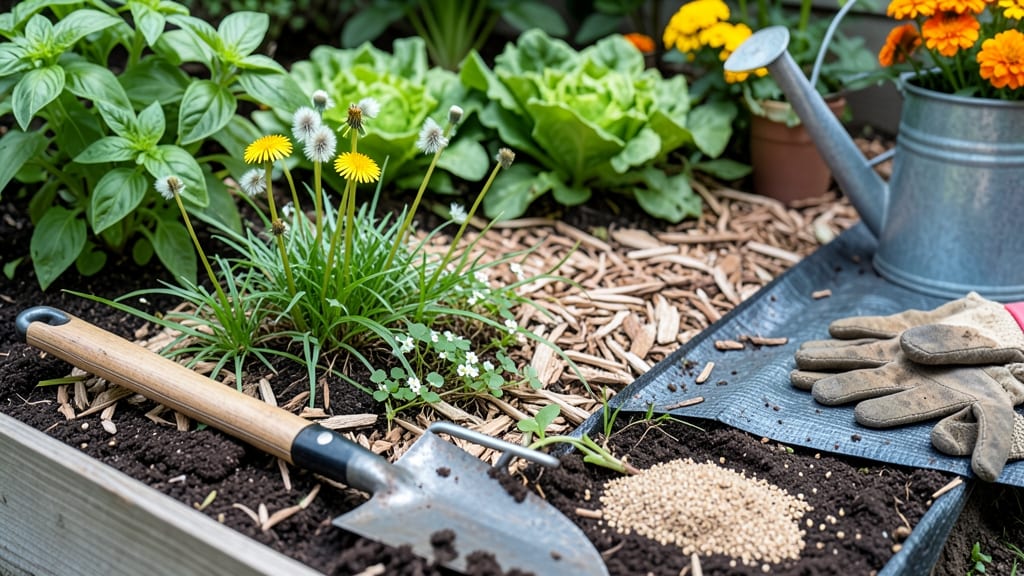
To keep weeds from growing, create physical barriers like thick mulch layers, landscape fabric, or dense ground covers that block sunlight and smother weed seeds while improving soil fertility over time.
Weeds thrive when they get sunlight and space to grow, so blocking both is key.
Mulch breaks down into nutrients, while landscape fabric creates a physical barrier that prevents seeds from sprouting. 🌱 I've found that combining these methods—like using wood chips under shrubs and cardboard under vegetable beds—gives the best long-term results without chemicals.
The right barrier depends on your garden type: straw works well for flower beds, while heavy-duty fabric suits high-traffic areas.
What's interesting is how these barriers also improve soil health. Organic mulches like straw or leaves decompose slowly, adding organic matter that helps retain moisture and regulate temperature. This creates a healthier environment for your plants while keeping weeds at bay.
For example, a 3-inch layer of mulch can reduce weed growth by up to 80% in the first year.
💡 In This Article
- How Natural Barriers Prevent Weed Growth
- Best Organic Weed Barriers for Different Gardens
How natural barriers prevent weed growth
Weeds grow primarily because they compete with your plants for sunlight, water, and nutrients. Natural barriers work by blocking sunlight—the most critical factor—while also creating physical obstacles that prevent weed seeds from germinating.
When you apply a thick layer of mulch or fabric, you're essentially creating a dark, shaded environment where weed seeds can't photosynthesize. Studies show that even a 2-inch layer of mulch can reduce weed growth by up to 70% by cutting off light to buried seeds.
The science behind this involves allelopathy, a natural process where organic mulches release compounds that inhibit weed seed germination. For example, wood chips release tannins that suppress weeds while breaking down into nutrient-rich humus.
Landscape fabric, on the other hand, works by creating a physical barrier that disrupts weed roots before they emerge. Unlike chemical herbicides, these methods improve soil structure over time by adding organic matter or preventing soil compaction.
Living ground covers like clover or creeping thyme take weed suppression a step further by forming dense mats that outcompete weeds for resources. These plants spread quickly, creating a living carpet that blocks light and stabilizes soil.
The key difference here is that living covers also provide additional benefits like nitrogen fixation (in the case of clover) or pollinator support, making them ideal for ecosystems where biodiversity matters.
Temperature plays a role too—warmer soils speed up weed seed germination, which is why mulch is especially effective in hot climates. A 3-inch layer of straw can keep soil temperatures 10-15°F cooler than bare ground, slowing weed growth while protecting plant roots.
This temperature regulation is why mulch works so well in vegetable gardens where consistent moisture and temperature are crucial for crop success.
What most gardeners don't realize is that even "dead" barriers like cardboard contribute to weed control through a process called carbonization. When wet cardboard breaks down, it creates a dense mat that blocks light while adding organic material to the soil.
The best results come from combining methods—like using cardboard as a base layer under mulch—which creates a two-layer system that's nearly impenetrable to weed seeds.
For example, in my own garden, I've seen cardboard + wood chips reduce weeds by 90% compared to just mulch alone. The cardboard prevents new seeds from reaching the soil, while the wood chips provide long-term suppression and soil improvement.
This dual approach is particularly effective in high-weed areas where single methods might fail.