
How To
Arugula isn't a weed—it's a cultivated leafy green with a peppery kick and high nutritional value, though its aggressive self-seeding can make it act like one in gardens if you don't manage it properly.
Arugula (Eruca sativa) belongs to the Brassicaceae family, the same as cabbage and broccoli, and has been cultivated for centuries in Mediterranean regions. 🌱 What makes it seem like a weed is its rapid growth cycle—plants bolt (flower) in as little as 40 days—and the way it scatters seeds prolifically.
Unlike true weeds, though, arugula produces edible leaves and stems that gardeners intentionally grow for salads, pesto, and more. The key difference lies in intent: weeds are unwanted plants, while arugula is a prized crop that just happens to spread aggressively when uncontrolled.
This dual nature explains why many gardeners love arugula but also struggle with its persistence. The plant's ability to reseed itself means it can pop up unexpectedly in garden beds year after year, creating the illusion of a weed.
However, its delicate leaves and peppery flavor make it a valuable addition to any kitchen garden—when managed properly.
💡 In This Article
- Botanical Classification: Why Arugula Isn’t a Weed
- Managing Arugula in Gardens: Preventing Unwanted Spread
Botanical classification: why arugula isn’t a weed
Arugula (Eruca sativa) belongs to the Brassicaceae family, which includes other cultivated greens like kale and mustard. Unlike true weeds, it has been selectively bred for thousands of years—dating back to ancient Mediterranean and Middle Eastern civilizations—for its tender leaves and peppery flavor.
Botanists classify arugula as a cultivar, meaning it's a domesticated plant with specific traits cultivated by humans, not a wild species that invades ecosystems.
The confusion arises because arugula shares traits with weeds: it grows rapidly (reaching harvestable size in just 3-4 weeks), spreads seeds prolifically (up to 5,000 seeds per plant), and thrives in disturbed soils. However, its primary distinction lies in its edibility and cultural significance.
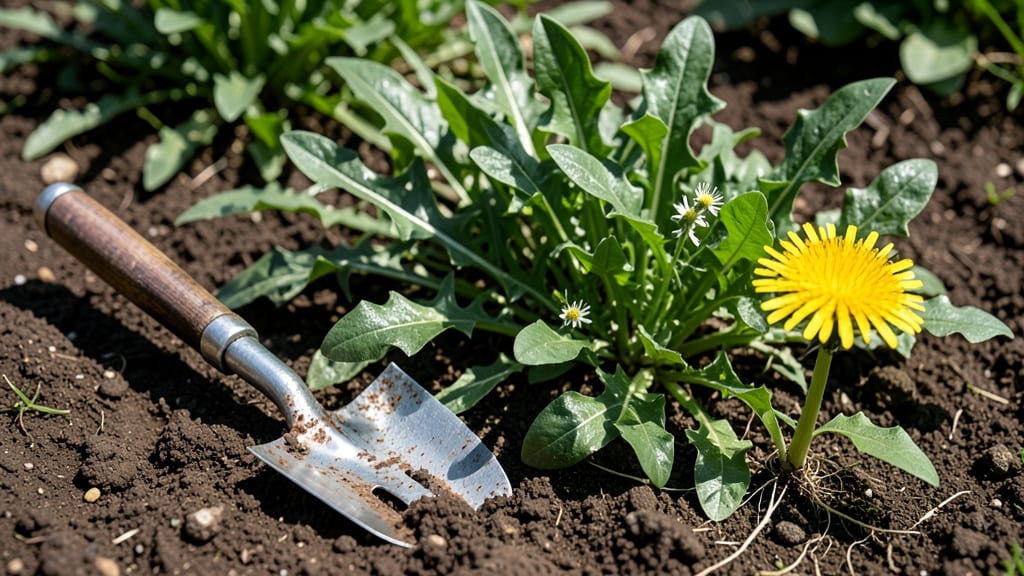
True weeds like dandelions or chickweed lack this intentional cultivation history and are generally considered undesirable in agricultural contexts. Arugula's self-seeding ability actually makes it a perennializing annual—it behaves like a perennial by resetting itself each season through seeds.
Genetically, arugula's wild ancestor (Eruca vesicaria) still grows in Mediterranean regions, but cultivated varieties have been developed to produce larger, more tender leaves and milder flavors. This domestication process—similar to how spinach or lettuce evolved—distinguishes it from weeds.
The key difference is human intent: weeds are unwanted plants, while arugula is a deliberately cultivated crop that just happens to spread aggressively when not properly managed.
In agricultural terms, weeds are defined by their negative impact on crops, not their biological classification. Arugula fits the botanical definition of a weed (fast-growing, self-seeding plant) but not the functional definition because it's a valued crop.
This duality explains why gardeners often call it a "weed" colloquially—it behaves like one but provides culinary benefits that outweigh its challenges.
Consider this comparison: while arugula's seeds can spread uncontrollably, they produce edible plants rather than invasive species that harm ecosystems. True weeds like cheatgrass or bindweed disrupt soil health and outcompete native plants, whereas arugula enhances garden biodiversity by attracting beneficial insects.
The peppery flavor compounds (glucosinolates) in arugula also serve as natural pest deterrents, making it an ecologically beneficial plant when grown intentionally.
What most gardeners don't realize is that arugula's "weedy" behavior is actually an evolutionary adaptation for survival. Its rapid growth cycle (40-60 days to bolt) and prolific seeding ensure genetic diversity in changing environments.
This same trait that frustrates gardeners makes arugula remarkably resilient—perfect for home gardens where conditions vary. The solution lies in understanding this botanical reality rather than fighting it.