
Picking
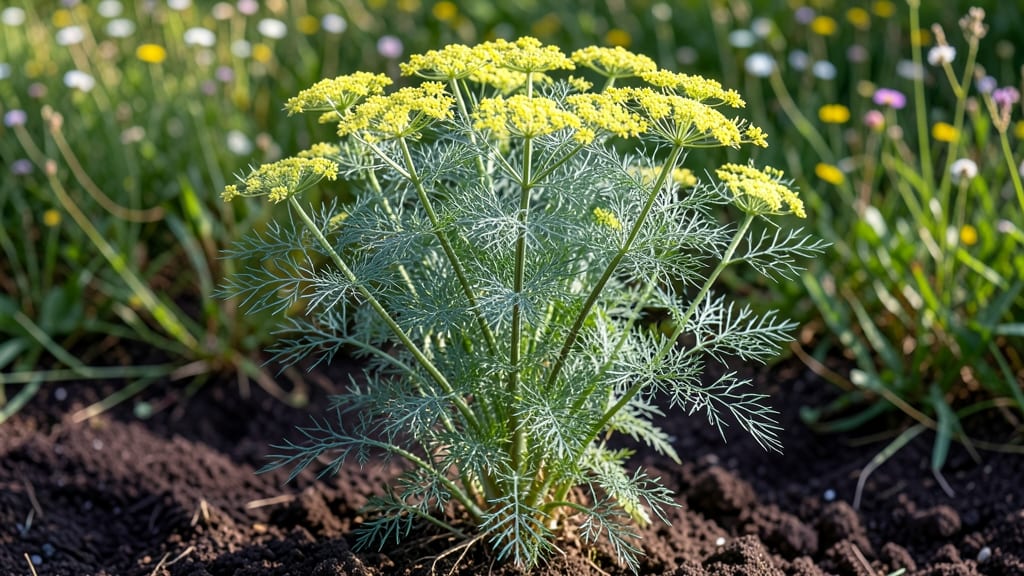
Dill is not a weed—it’s an edible herb in the carrot family, prized for its feathery leaves and seeds in cooking. Many gardeners cultivate it intentionally, though its self-seeding habit can make it appear invasive if left unchecked.
Dill belongs to the same botanical family as carrots and parsley, not weeds, and has been cultivated for thousands of years. 🌱 Its delicate, lacy foliage and tiny yellow flowers are key ingredients in everything from pickles to soups, giving dishes a bright, citrusy kick.
The confusion often comes from its tendency to reseed aggressively—dropping seeds that sprout freely if not controlled, which can make it seem like an unwanted volunteer in gardens.
What sets dill apart from true weeds is its intentional cultivation. While it may spread easily, gardeners actively grow it for its culinary and medicinal benefits, including digestive aid and antibacterial properties.
The trick is managing its growth—regular harvesting and deadheading can keep it from taking over while still enjoying its abundant harvest.
💡 In This Article
- Botanical Classification: Why Dill Isn’t a Weed
- Managing Dill in Your Garden: Growth Tips and Uses
Botanical classification: why dill isn’t a weed
Dill (Anethum graveolens) belongs to the Apiaceae family, which includes carrots, parsley, and cilantro—not weeds. This classification places it among edible herbs rather than invasive plants. True weeds typically lack intentional cultivation and often have aggressive, uncontrolled growth patterns.
Dill's botanical structure, with its umbel-shaped flower clusters and feathery leaves, clearly distinguishes it from plants like crabgrass or dandelions.
The confusion arises because dill's self-seeding habit can make it seem invasive. Each plant produces 2,000-3,000 seeds that scatter easily, germinating within 10-14 days under ideal conditions. Unlike true weeds, however, these seeds are intentionally planted by gardeners worldwide.
The key difference is control: weeds thrive without human intervention, while dill requires cultivation to reach its full potential as a culinary herb.
Historically, dill has been valued for over 3,000 years, appearing in ancient Egyptian medicine and Greek cuisine. Its seeds contain carvone and limonene, compounds that give it that signature citrusy aroma.
This makes it far more desirable than plants we actually consider weeds, which often lack such useful properties. The 1-2 foot tall dill plant grows upright with a woody base, quite different from the sprawling, root-bound growth of most weeds.
What truly separates dill is its dual-purpose nature—both leaves and seeds are edible. While weeds typically serve no useful function, dill's leaves add flavor to salads and fish dishes, while its seeds are essential for pickling.
The plant's annual lifecycle means it dies back after producing seeds, unlike perennial weeds that persist year after year. This natural cycle actually makes dill easier to manage than many persistent weeds.
Botanically speaking, weeds are defined by their unwanted presence in cultivated areas. Dill, however, is a volunteer plant—one that gardeners often welcome. Its growth pattern mirrors that of other cultivated herbs like cilantro or basil, which also self-seed prolifically.
The difference? Dill's seeds are harvested and used, not discarded as waste. This intentional relationship with humans is what truly removes it from the weed category.
Consider this comparison: dill's seeds are like wildflower seeds—beautiful and useful when cultivated, but potentially overwhelming if left unchecked. True weeds, like bindweed, have no redeeming qualities and actively compete with crops.
Dill's bright yellow flowers and anise-like fragrance make it a garden asset rather than a liability, proving its place as a cherished herb rather than an unwanted plant.