
How To
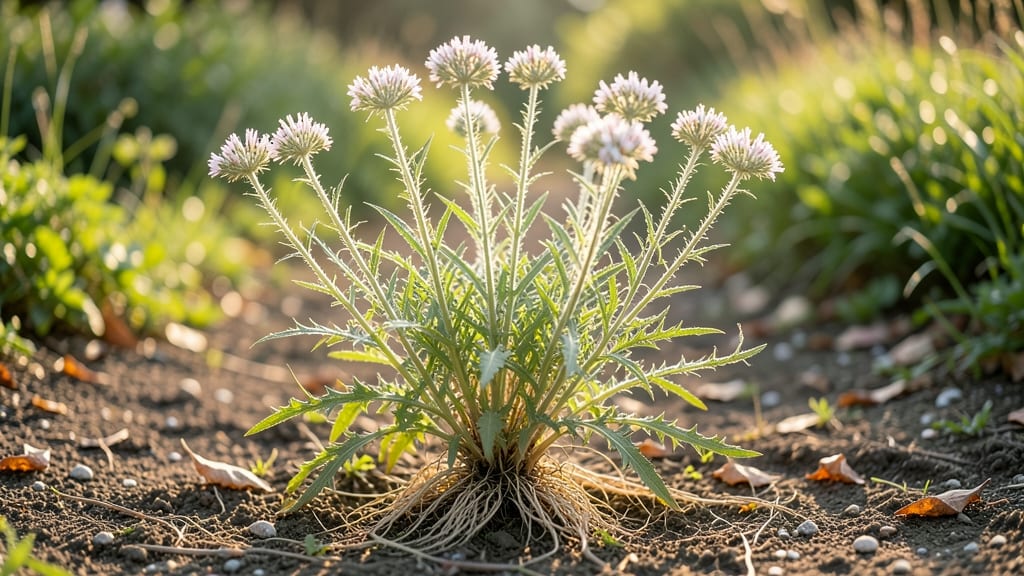
Horseweed is not edible and poses serious toxicity risks, containing pyrrolizidine alkaloids (PAs) that can cause liver damage, neurological issues, and even death in severe cases. Avoid consuming any part of the plant or using it in herbal remedies.
Horseweed contains dangerous compounds called pyrrolizidine alkaloids (PAs), which can cause irreversible liver damage or even prove fatal if ingested. 🚨 These toxins are concentrated in all parts of the plant, making even small amounts hazardous.
Unlike some wild greens, horseweed has no safe preparation method—boiling, drying, or cooking won't neutralize its dangers. Always double-check plant identification before harvesting anything from fields or forests.
If you suspect accidental ingestion, seek immediate medical attention—symptoms like nausea, vomiting, or jaundice may appear hours later. This plant shares space with edible alternatives like dandelion or chicory, so proper identification is critical for safety. When in doubt, avoid consumption entirely.
💡 In This Article
- Toxic Compounds in Horseweed: Health Risks Explained
- Identifying Horseweed: Safe Gardening Practices
Toxic compounds in horseweed: health risks explained
Horseweed (Conyza canadensis) produces pyrrolizidine alkaloids (PAs), a class of natural toxins that specifically target the liver and nervous system. These compounds work by irreversibly binding to cellular proteins in the liver, disrupting normal metabolic processes.
The most concerning PA in horseweed is retrorsine, which metabolizes into toxic intermediates that damage DNA and trigger inflammation in liver cells. 🔥 Unlike some plant toxins that affect the digestive system first, PAs cause delayed but severe organ damage—sometimes appearing symptom-free for days before liver failure strikes.
The toxicity varies by plant part, with seeds containing the highest concentrations (up to 1.5% dry weight of PAs), followed by leaves and stems. For comparison, milkweed contains similar PAs but at lower levels (~0.3-0.5%), while ragwort—another notorious toxic weed—can reach 2-3% in extreme cases.
A single meal of horseweed seeds (about 50-100g) could be lethal to an adult, though smaller amounts may cause chronic liver damage over time. The Centers for Disease Control (CDC) reports that livestock poisoning from PA-containing weeds is a persistent issue in agricultural regions.
What makes horseweed uniquely dangerous is how PAs accumulate in the body. Once ingested, these alkaloids are stored in liver tissues, where they continue damaging cells even after exposure stops.
Unlike acute toxins (such as those in poison hemlock), PAs don't cause immediate symptoms—jaundice, vomiting, or neurological issues may not appear for 24-72 hours, delaying critical medical intervention. This delayed onset is why even accidental ingestion (e.g., contaminated hay or mistakenly harvested greens) can have catastrophic consequences. ✨
Veterinarians and toxicologists often compare horseweed's risks to blue-green algae in water supplies—both are silent killers that seem harmless until irreversible damage occurs. The liver's regenerative capacity is overwhelmed by prolonged PA exposure, leading to cirrhosis or even liver cancer in chronic cases.
Unlike some toxic plants that affect one organ system, horseweed's PAs create a domino effect: liver failure → systemic edema → organ shutdown. This multi-system impact is what separates it from milder plant toxins.
Regional variations matter too. Horseweed thrives in temperate climates (USDA zones 3-10), where it often grows alongside edible wild greens like dandelion (Taraxacum officinale) or chicory (Cichorium intybus). The confusion arises because horseweed's fern-like leaves and tall, branching stems resemble harmless foraged plants.
However, its milky sap and bitter taste (when chewed) serve as natural warning signs—though these don't deter livestock or curious foragers. 💫
For those working with wild plants, the key takeaway is never consume any plant without 100% identification. Even experienced foragers use field guides or apps like iNaturalist to verify species.
If you're in an area with horseweed (common in pastures, roadsides, and disturbed soils), treat all unknown greens as toxic until proven otherwise. The margin for error with PAs is zero—there's no safe dose, no antidote, and no "safe" preparation method.
When in doubt, consult a local extension service or botanist. Many regions maintain databases of toxic plants, and some offer free identification services. Remember: the liver doesn't heal from PA damage, and the consequences of a single mistake can last a lifetime. 🚨