
How To
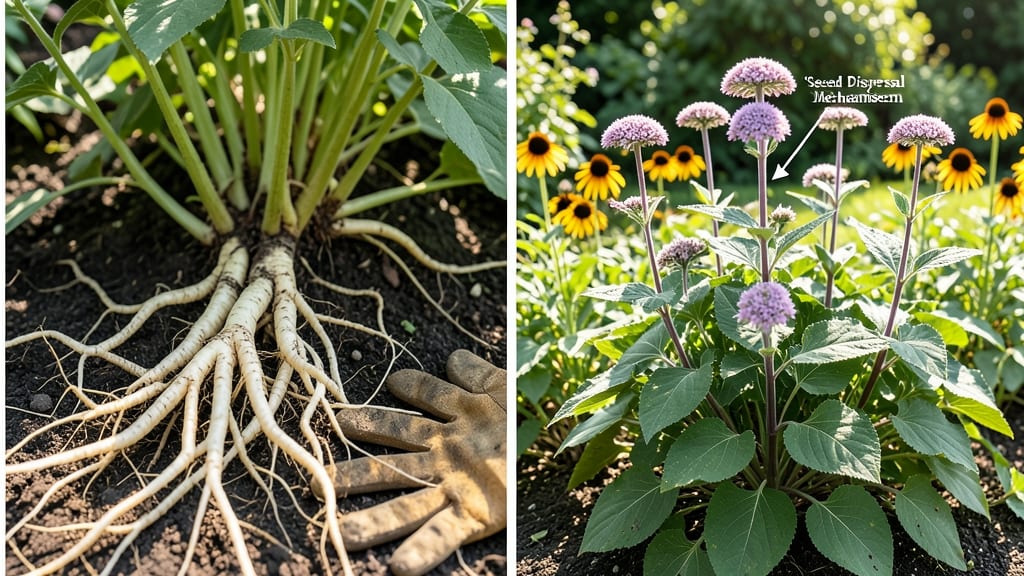
Joe Pye weed isn't typically classified as invasive, but it can multiply rapidly in moist, undisturbed areas. While it rarely crowds out native plants, its dense growth may require occasional garden maintenance. Gardeners love its striking pink flowers and ecological benefits for pollinators.
This hardy North American native thrives in wetlands and garden beds alike, thanks to its deep root system and prolific seed production. 🌿 Unlike aggressive invaders such as Japanese knotweed, Joe Pye weed maintains ecological balance by supporting bees and butterflies during late summer blooms.
Its spread is more about opportunistic growth than ecological disruption—meaning it won't take over your garden unless you let it go unchecked.
For gardeners concerned about its expansion, the key is proactive management. Regular pruning in early spring or fall helps control its height and seed production, while transplanting divisions can redirect its energy to more desirable areas.
The plant's ecological value as a pollinator magnet often outweighs its growth tendencies, making it a favorite among native plant enthusiasts.
💡 In This Article
- Why Joe Pye Weed Spreads: Growth Habits and Ecological Role
- Controlling Joe Pye Weed in Gardens Without Harming Pollinators
Why Joe Pye weed spreads: growth habits and ecological role
Joe Pye weed (Eutrochium spp.) spreads primarily through two mechanisms: rhizomes (underground stems) and seed production. Its rhizomes grow horizontally, sending up new shoots that can form dense colonies. Each mature plant produces 500-1,000 seeds annually, which disperse via wind and water.
This dual reproduction strategy explains why it thrives in moist, undisturbed soils—like wetlands or garden edges—where competition is minimal.
The plant's native advantage lies in its deep root system (reaching 3-5 feet) and tolerance for poor soil conditions. Unlike invasive species such as Japanese knotweed (which disrupts ecosystems) or phragmites (which outcompetes natives), Joe Pye weed rarely forms monocultures.
Its late-summer blooms (July-September) provide critical nectar for bees and butterflies, supporting biodiversity rather than displacing it. 🌸
Ecologists classify Joe Pye weed as a facultative wetland species, meaning it adapts to both wet and dry conditions. This flexibility allows it to coexist with native plants, unlike true invaders that dominate habitats.
Its spread is more about filling ecological niches than aggressive expansion. For example, in a 10-foot radius, a single plant can produce 50-100 new shoots over 3 years—but only if left unmanaged.
What sets Joe Pye weed apart is its pollinator dependency. Unlike invasive plants that thrive without native support, it relies on bees and butterflies for pollination. This mutualism ensures it doesn’t overrun ecosystems.
In contrast, Japanese knotweed spreads via fragmented rhizomes that regrow from tiny pieces, while phragmites forms dense, impenetrable stands that block sunlight for other plants.
Gardeners often notice Joe Pye weed’s spread in low-maintenance areas where it self-seeds annually. Its 6-foot-tall stems and pink-purple flowers make it visually striking, but its growth habit is more about opportunism than ecological harm. The key difference? True invaders displace natives; Joe Pye weed complements them.
Consider this: A single Joe Pye weed plant in a moist garden bed may produce 20-30 new shoots per year, but only if not pruned. With regular maintenance (cutting back in early spring), its spread slows dramatically.
This balance between growth and ecological benefit is why it’s valued in native plant gardens.