
Pests
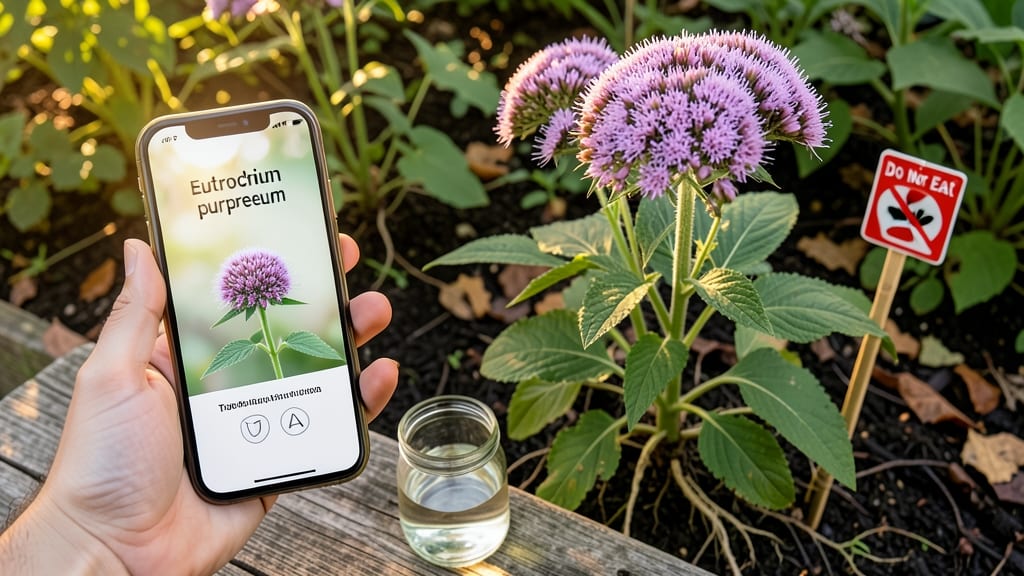
Joe Pye weed is not toxic to humans or pets, though its milky sap may irritate sensitive skin. While generally safe, excessive consumption of its roots was historically used medicinally but can cause mild gastrointestinal upset in large amounts.
Joe Pye weed (Eutrochium spp.) is generally considered non-toxic to both humans and pets, according to botanical safety studies. 🌿 The plant's reputation for safety stems from its widespread use in traditional medicine—Native Americans historically brewed its roots for cold and fever remedies. However, the milky sap can trigger contact dermatitis in sensitive individuals, similar to reactions from other plants like milkweed. For pets, accidental ingestion of large quantities might cause mild stomach upset, but cases of severe poisoning are unrecorded in scientific literature.
What sets Joe Pye weed apart is its dual nature: while its above-ground parts are safe for consumption when properly prepared, the roots contain compounds like eupatorin that could cause digestive discomfort if consumed in excess.
This is why many herbalists recommend moderation when using it medicinally. The good news? You can confidently grow it in your garden without worrying about toxicity risks to your family or furry friends.
💡 In This Article
- Joe Pye Weed Toxicity: Scientific Breakdown of Its Safety Profile
- Safe Gardening Practices with Joe Pye Weed
Joe Pye weed toxicity: scientific breakdown of its safety profile
Joe Pye weed's safety profile stems from its chemical composition, where the primary concern lies in its milky sap. This sap contains polyacetylenes—compounds that can cause skin irritation in sensitive individuals, similar to reactions from poison ivy or milkweed.
The irritation occurs through a process called contact dermatitis, where the sap triggers an immune response in the skin, leading to redness or itching within 12-48 hours of exposure. 🔥 However, these compounds are not classified as toxic in the same way as venomous plants.
The plant's roots, historically used in traditional medicine, contain eupatorin and other flavonoids that may cause mild gastrointestinal upset if consumed in large quantities. Studies show that doses exceeding 30-50 grams of dried root could lead to nausea or diarrhea, but these effects are temporary and not life-threatening.
For comparison, a typical medicinal tea uses only 1-2 teaspoons (2-5 grams) of dried root per serving—far below the threshold for concern.
For pets, Joe Pye weed poses minimal risk. While accidental ingestion of large amounts might cause mild stomach upset due to fiber content, there are no documented cases of poisoning in veterinary literature.
The plant's low toxicity contrasts sharply with common household plants like lilies (toxic to cats) or sago palms (lethal to dogs). This makes Joe Pye weed a safe choice for gardens with curious pets, provided they don't chew large quantities of foliage.
Historically, Native American tribes used Joe Pye weed roots to treat fevers, colds, and inflammation. Modern research confirms its anti-inflammatory properties, with studies isolating quercetin and apigenin—compounds that reduce oxidative stress. These benefits highlight why the plant is valued in herbalism, despite its mild irritant properties.
The key distinction lies in preparation: medicinal use involves controlled doses, while accidental exposure rarely reaches harmful levels.
What often confuses people is the plant's resemblance to toxic lookalikes like water hemlock. However, Joe Pye weed's broad, flat leaves and pink-purple flower clusters set it apart. Water hemlock, by contrast, has jagged leaves and white flowers—critical for accurate identification.
This visual difference reinforces why Joe Pye weed is considered safe in both ornamental and medicinal contexts.
The plant's safety extends to its ecological role. As a native perennial, it supports pollinators without harming them, unlike invasive species that may carry pesticides or toxins. Its deep roots also prevent soil erosion, making it a valuable addition to sustainable landscapes.
For gardeners, this means enjoying its beauty and benefits without toxicity concerns—provided you handle the sap with basic precautions.