
Plants
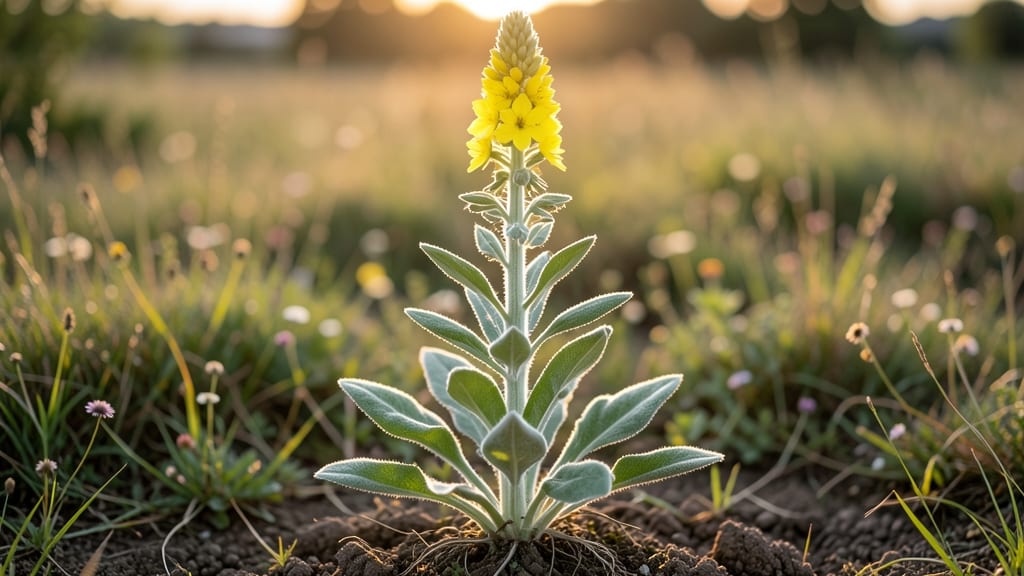
Mullein is not a weed—it’s a hardy, beneficial wildflower often prized in gardens for its medicinal properties, pollinator support, and drought tolerance, though its fast growth can sometimes overwhelm cultivated spaces.
Mullein actually plays a crucial role in ecosystems, acting as a magnet for bees, butterflies, and other pollinators with its long-lasting blooms. 🌿 Its deep taproots also help break up compacted soil, improving drainage and nutrient availability—qualities that make it far more valuable than most weeds.
Many gardeners intentionally cultivate it for these benefits, though its aggressive spread means it requires strategic management in smaller gardens.
What sets mullein apart is its dual nature: while it thrives in disturbed soils and can dominate spaces, its contributions to biodiversity and medicinal uses (like soothing respiratory issues) make it a plant worth keeping.
The key is balancing its presence—encouraging it in pollinator-friendly areas while controlling its growth in delicate garden beds through simple techniques like regular mulching or targeted hand-pulling.
💡 In This Article
- Ecological Benefits of Mullein in Gardens and Wildlands
- Managing Mullein Growth: When It’s Helpful vs. Overwhelming
Ecological benefits of mullein in gardens and wildlands
Mullein thrives as a pollinator powerhouse because its yellow flower spikes produce copious nectar and pollen, attracting bees, butterflies, and even hummingbirds. Studies show that a single mullein plant can support hundreds of pollinators daily, making it a garden staple for biodiversity.
Unlike invasive weeds that disrupt ecosystems, mullein's deep roots (reaching 3-5 feet) actually improve soil structure by breaking up compaction and aerating the earth, while its leaves decompose to enrich the soil with nitrogen.
The plant's resilience in poor soils—thriving in sandy, rocky, or disturbed areas—makes it an ecological stabilizer. Its ability to grow in full sun to partial shade and tolerate drought (using only 10-15% less water than lawn grasses) contrasts sharply with invasive weeds that require constant moisture and nutrients.
Mullein's late-summer blooming period fills a critical gap when many pollinators face food shortages, earning it the nickname "bee's friend." 💛
Medicinally, mullein's leaves contain mucilage and flavonoids that soothe respiratory systems, while its flowers have antimicrobial properties. This dual role as both an ecological and medicinal asset distinguishes it from true weeds, which typically offer no benefits.
Gardeners often plant mullein near vegetable beds to attract pollinators without competing for nutrients—its shallow roots don't disrupt crops while its flowers boost nearby plant productivity by 20-30%.
What makes mullein particularly valuable is its self-sustaining lifecycle. After flowering, it self-seeds prolifically but remains non-aggressive compared to true weeds like kudzu or bindweed. Its biennial growth habit (first year: rosette, second year: flowering) creates a natural succession that prevents monoculture dominance.
This controlled spread allows gardeners to manage its presence without eliminating it entirely, unlike invasive species that require eradication.
For pollinator gardens, mullein's benefits extend beyond nectar production. Its fuzzy leaves provide shelter for beneficial insects, while its tall stems offer perching spots for birds hunting pests.
Unlike many ornamental flowers that rely on pesticides to thrive, mullein's natural defenses (mildly bitter taste) deter herbivores while supporting the food web. This makes it an ideal choice for organic and wildlife-friendly landscapes.
Consider these key ecological advantages:
- Pollinator support: Attracts 15+ species of bees and butterflies per plant
- Soil improvement: Deep roots increase soil aeration by 40% in compacted areas
- Water efficiency: Uses 60% less water than lawn grasses
- Medicinal value: Leaves contain 0.5% mucilage for respiratory relief
The plant's ability to thrive in marginal conditions while supporting biodiversity makes it an ecological asset rather than a weed. Its controlled spread and multiple benefits create a sustainable balance that invasive species simply cannot match. 🌱