
Pests
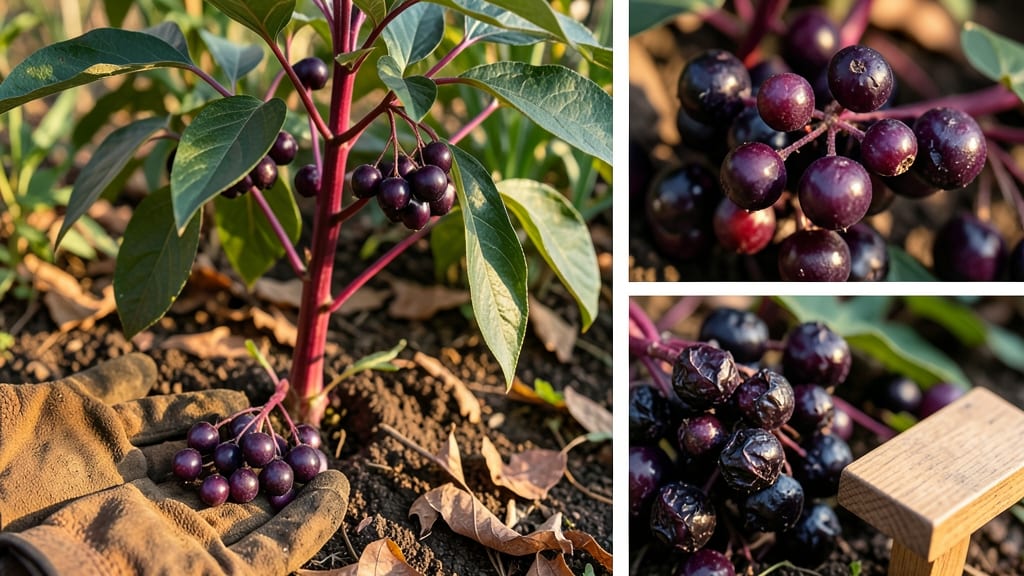
Pokeweed is toxic, containing dangerous compounds like phytolaccatoxin and saponins that can cause severe vomiting, diarrhea, and skin irritation upon ingestion or contact. All parts of the plant—roots, berries, and leaves—pose risks, especially to children and pets. Handling requires protective gloves and immediate washing if skin exposure occurs.
Pokeweed toxicity stems from its entire plant structure—every part, from roots to ripe berries, contains harmful chemicals that disrupt bodily systems. 🌿 The berries, often mistaken for edible fruits, are particularly dangerous because their dark purple color can fool children and pets into thinking they're safe. Even small amounts can trigger severe reactions, including skin rashes or respiratory distress, while larger exposures may require medical intervention.
What makes this plant especially concerning is how quickly its toxins can affect you. For example, chewing on leaves or stems releases phytolaccatoxin, which attacks the digestive and nervous systems within minutes.
I always recommend treating pokeweed with the same caution as poison ivy—never touch it barehanded, and wear long sleeves and gloves when removing it from your yard. Proper disposal in sealed trash bags is critical to prevent accidental ingestion by animals or curious kids.
💡 In This Article
- Toxic Compounds in Pokeweed and Their Health Risks
- Safe Handling and Removal of Pokeweed from Gardens
Toxic compounds in pokeweed and their health risks
Pokeweed's toxicity comes from a cocktail of harmful compounds, with phytolaccatoxin being the most potent. This chemical acts as a neurotoxin, disrupting nerve signals and causing symptoms like muscle weakness, seizures, or even paralysis in severe cases.
Studies show that just 10-20 berries can contain enough phytolaccatoxin to poison a child, while adults might need 50-100 berries to experience dangerous effects. The toxin works by blocking sodium channels in nerve cells, essentially short-circuiting communication between muscles and the brain.
Saponins, another key toxin in pokeweed, create a soapy texture when mixed with water and irritate mucous membranes.
These compounds cause intense vomiting, diarrhea, and abdominal pain by damaging the lining of the digestive tract. 🌿 Unlike phytolaccatoxin, saponins are heat-stable, meaning cooking won't neutralize them—boiling pokeweed berries won't make them safe.
The roots contain the highest concentration of saponins (up to 5% by weight), making them particularly hazardous if ingested or even handled without protection.
Oxalates, the third major toxin, form sharp crystals in tissues that can damage kidneys and cause painful urination. Pokeweed leaves contain 0.3-0.5% oxalates, which is enough to trigger kidney stones or severe irritation if chewed.
The combination of these toxins creates a "one-two punch" effect: phytolaccatoxin attacks the nervous system while saponins and oxalates assault the digestive and urinary systems simultaneously. This is why even small exposures can lead to hospitalization, especially in children whose smaller bodies can't metabolize the toxins efficiently.
What's particularly alarming is how these toxins accumulate. Pokeweed berries start green and ripen to purple, but their toxicity increases as they mature—unlike many plants where ripeness indicates safety.
The purple berries contain 2-3 times more phytolaccatoxin than green ones, yet their vibrant color makes them irresistible to birds and children. This is why wildlife experts warn that pokeweed patches often become "toxic traps" for animals that mistake the berries for food.
The skin also bears the brunt of pokeweed's dangers. Direct contact with sap can cause phytodermatitis, a rash characterized by red, itchy welts that develop within 6-24 hours of exposure. The sap contains polyacetylenes, compounds that trigger an allergic reaction in sensitive individuals.
Unlike poison ivy, which requires direct skin contact, pokeweed's toxins can penetrate through gloves if they're not properly sealed, making even "safe" removal attempts risky without the right precautions.
Veterinarians see pokeweed poisoning cases year-round, but incidents spike in late summer and fall when berries are ripe. Dogs and cats are particularly vulnerable because their curious nature leads them to chew on unfamiliar plants.
A 5-pound dog might experience toxicity after eating just 10-15 berries, while larger breeds could handle up to 30 berries before showing symptoms. The key difference between plant parts? Roots are the most toxic, followed by berries, then leaves—meaning even "harmless-looking" stems can be deadly if ingested.
If you suspect pokeweed poisoning, time is critical. Inducing vomiting within 30 minutes of ingestion can reduce toxin absorption, but never attempt this without professional guidance. Call poison control immediately—they can provide specific antidotes like activated charcoal to bind toxins in the digestive tract.
In severe cases, hospitalization may be needed for IV fluids, anti-seizure medications, or kidney support. The moral? Treat pokeweed with the same caution as a rattlesnake—admire it from a distance, never touch it, and certainly never eat it. 🚨