
Pests and Diseases
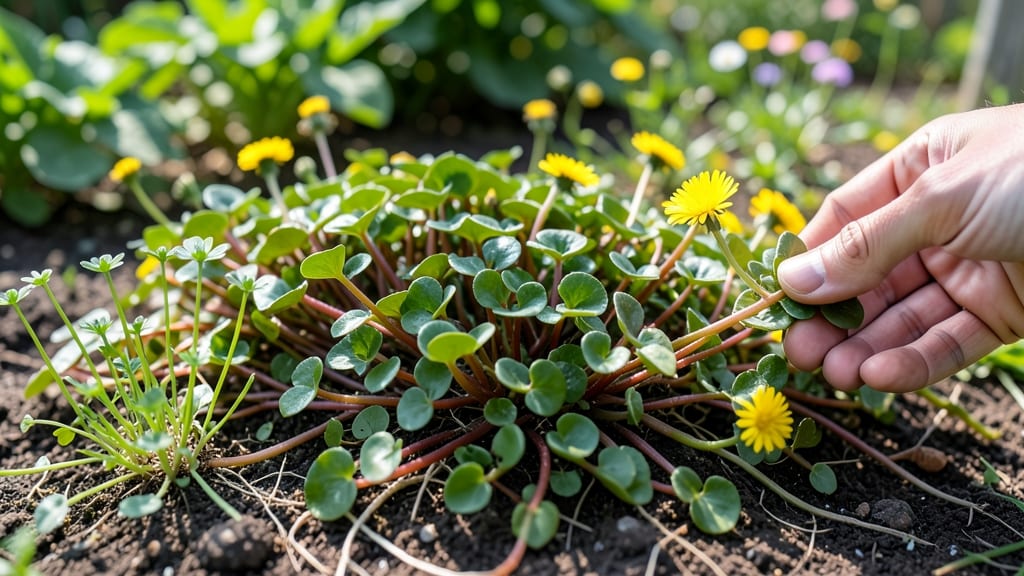
Purslane isn't a weed—it's an edible powerhouse often mistaken for one, with thick, juicy stems and leaves packed with omega-3s, magnesium, and vitamin C that make it a culinary gem rather than a garden nuisance.
Purslane's weed-like appearance comes from its sprawling, low-growing habit and tiny yellow flowers that bloom close to the ground. 🌱 Unlike true weeds that thrive by spreading aggressively and crowding out plants, purslane actually improves soil health and deters pests when grown intentionally.
Many gardeners intentionally cultivate it for salads or stir-fries because its mild, slightly tangy flavor pairs well with garlic, lemon, or cheese.
What sets purslane apart is its nutritional profile—it contains more omega-3 fatty acids than most leafy greens and absorbs less water than traditional weeds, making it drought-resistant once established. This makes it both a practical and delicious addition to gardens, rather than something to eradicate.
💡 In This Article
- Why Purslane Looks Like a Weed (Botanical Traits Explained)
- How to Grow and Harvest Purslane as a Nutritious Garden Plant
Why purslane looks like a weed (botanical traits explained)
Purslane's weed-like appearance stems from its prostrate growth habit, where it spreads horizontally along the ground rather than standing upright. This sprawling pattern, combined with its fleshy, succulent stems (up to 1/4-inch thick), makes it visually indistinguishable from garden weeds at first glance.
The stems store water efficiently, allowing purslane to thrive in dry conditions—a trait shared with many true weeds like chickweed or lamb's quarters.
The tiny, 5-petaled yellow flowers that bloom near the ground further blur the line between edible and invasive. Unlike true weeds, which often produce thousands of seeds to dominate an area, purslane's flowers are inconspicuous and don't spread aggressively.
Its leaves, which are thick and slightly fleshy with a mild, slightly tangy flavor, contrast sharply with the bitter or harsh taste of most weeds. 🌿 This nutritional contrast is why chefs and foragers prize purslane—it's packed with omega-3 fatty acids (more than spinach) and vitamin C, while weeds typically offer little culinary value.
What truly distinguishes purslane is its botanical classification as a succulent (Portulaca oleracea), not a weed. True weeds like dandelions or crabgrass reproduce rapidly through seeds or rhizomes, while purslane spreads primarily through stem fragments—meaning a broken piece can root and grow.
This makes it easier to control in gardens compared to invasive weeds. The confusion arises because gardeners often encounter purslane growing wild in disturbed soils, just like weeds, but its edible and medicinal properties set it apart.
Consider this comparison: purslane's leaves are 2-4 inches long with a smooth, slightly waxy texture, while common weeds like pigweed have narrower, rougher leaves.
Purslane's stems also break easily when pinched (a key identifier for foragers), releasing a mild, slightly salty juice—a far cry from the bitter sap of most weeds. This sensory difference alone should clue you in to its edible nature. 🌱
Historically, purslane has been cultivated for centuries in regions like the Middle East and Asia, where it's known as "fat-hen" or "dwarf purslane."
Its ability to grow in poor soil and tolerate heat makes it a resilient crop, much like how weeds adapt to harsh conditions—but unlike weeds, purslane was intentionally domesticated for its nutritional benefits.
This duality explains why it's often mistaken for a weed: it thrives in the same environments but offers far greater value to humans.
For gardeners, the key takeaway is that purslane's weed-like appearance is purely superficial. Its succulent stems, non-invasive growth, and nutritional density make it a valuable plant to grow—not eradicate.
Unlike true weeds that compete with crops, purslane actually suppresses weeds by shading the soil and outcompeting them for space. This ecological benefit, combined with its culinary uses, makes it a garden asset rather than a nuisance. ✨