
Size
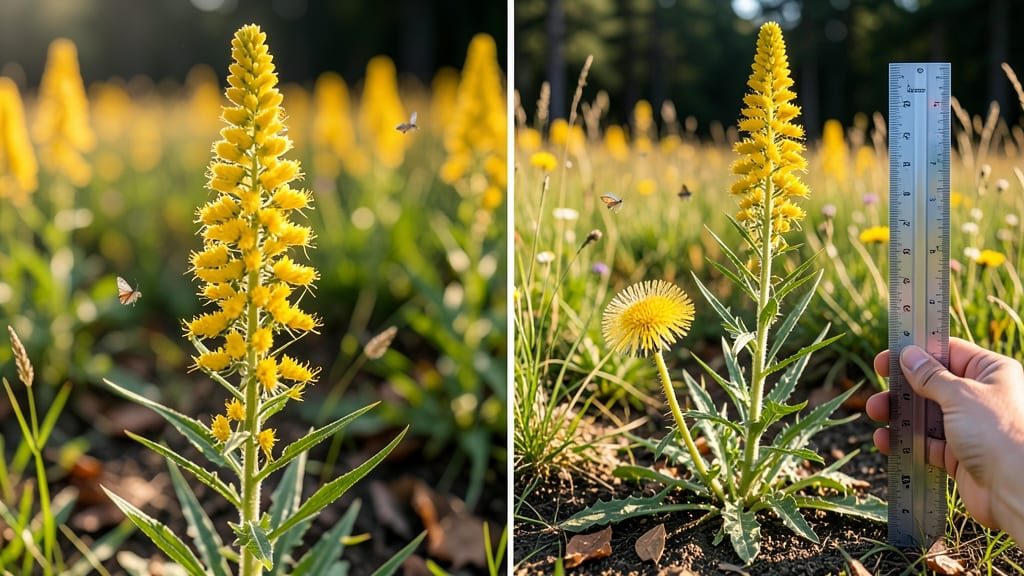
Tall goldenrod (Solidago gigantea) isn't a weed—it's a native perennial that supports pollinators and stabilizes soil, though its vigorous growth may require management in some gardens.
This plant thrives in sunny meadows and prairies, where its tall golden flower clusters provide late-season nectar for bees and butterflies. 🌿 Unlike invasive weeds, tall goldenrod has deep roots that prevent erosion while improving soil health.
The key difference lies in its ecological value—while it may spread aggressively, it's not harmful like cheatgrass or kudzu. Many gardeners intentionally plant it to attract wildlife and reduce water needs during droughts.
For those concerned about its spread, strategic pruning in early spring can control its height without harming the plant. Planting it in designated areas or pairing it with slower-growing perennials helps manage its growth naturally.
The real question isn't whether it's a weed, but how to harness its benefits while keeping it in check.
💡 In This Article
- Ecological Benefits of Tall Goldenrod in Native Landscapes
- Managing Tall Goldenrod in Gardens: Tips for Control
Ecological benefits of tall goldenrod in native landscapes
Tall goldenrod (Solidago gigantea) plays a vital role in native ecosystems as a late-season pollinator magnet.
Its dense golden flower clusters bloom from August through October, providing critical nectar when many other plants have finished flowering. 🌼 Research shows these blooms support over 100 species of bees, butterflies, and even hummingbirds, making it a "superbloom" plant.
Unlike invasive weeds that disrupt ecosystems, goldenrod has evolved alongside native pollinators, creating a balanced relationship that benefits both species.
The plant's deep root system—extending up to 6 feet—stabilizes soil and prevents erosion, especially in prairie regions where topsoil is vulnerable.
These roots also improve soil structure by creating channels that enhance water infiltration, reducing runoff during heavy rains. 🌱 What sets goldenrod apart from invasive species is its non-aggressive nature in natural settings—it doesn't outcompete native plants like cheatgrass or kudzu, which smother ecosystems.
Instead, it thrives in sunny meadows where it coexists with grasses and wildflowers, maintaining biodiversity.
Goldenrod's drought resilience makes it an ideal choice for sustainable landscapes. Once established, it requires minimal watering, making it perfect for xeric gardens (low-water environments).
Its ability to tolerate poor soil conditions—including clay and sandy loams—further demonstrates its ecological adaptability. 💧 Unlike ornamental plants that need constant care, goldenrod's hardiness reduces maintenance while providing year-round benefits, from erosion control to winter interest when its seed heads catch snow.
The plant's seed production also supports wildlife beyond pollinators. Birds like goldfinches and sparrows rely on its seeds as a food source during fall and winter. This multi-seasonal value contrasts sharply with invasive weeds, which often provide little ecological benefit while spreading uncontrollably.
Goldenrod's controlled spread—through rhizomes rather than wind-dispersed seeds—ensures it doesn't become a nuisance in natural habitats, unlike species that rely on aggressive reproduction strategies.
For gardeners, understanding goldenrod's ecological role clarifies why it's not a weed but a valuable native plant.
Its ability to thrive in full sun and adapt to various soil types makes it a low-maintenance choice for meadows, rain gardens, and pollinator-friendly landscapes. 🌿 The key is balancing its vigor with intentional placement—whether in wildflower gardens or along property edges—to maximize its benefits while minimizing potential spread concerns.
What most people don't realize is that goldenrod's "aggressive" reputation stems from its ability to fill empty spaces rather than its impact on native plants. Unlike invasive species that displace natives, goldenrod often fills gaps created by human activity, such as disturbed soils or over-manicured lawns.
This makes it an excellent candidate for restoration projects where its ecological benefits outweigh its growth habits.