
Companion Plants
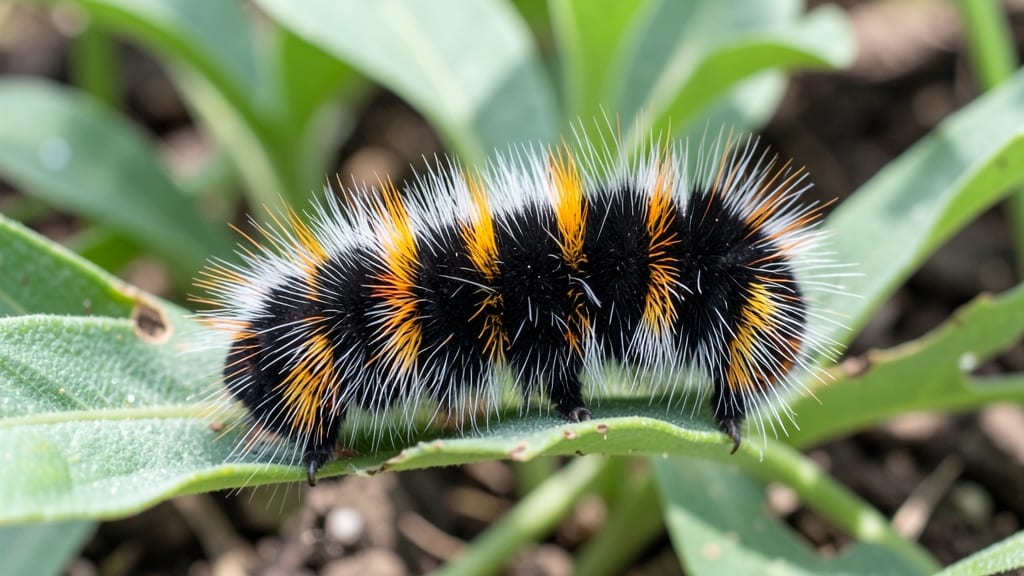
Are milkweed tussock moths good or bad? They're generally harmful to gardens because their caterpillars strip milkweed leaves, disrupting monarch butterfly habitats. Unlike toxic monarch caterpillars, tussock moths aren't dangerous to humans or pets, but their feeding habits can weaken milkweed plants, signaling it's time for garden maintenance.
Tussock moth caterpillars are the real troublemakers here—they devour milkweed leaves voraciously, leaving plants stressed and unable to support monarch butterfly eggs properly. 🌿 Unlike monarch caterpillars that eat leaves but leave stems intact, tussock moths can completely defoliate stems, stunting plant growth.
This creates a double whammy: monarchs lose their food source while your milkweed struggles to recover. The good news? Their presence actually tells you your milkweed patch needs thinning or pruning to restore balance.
If you're worried about chemicals, don't be—these moths respond well to simple garden interventions.
Handpicking caterpillars during early stages or using neem oil spray (applied at dusk) works wonders without harming beneficial insects. 🌱 The key is acting quickly: once caterpillars reach their fuzzy, hairy stage, they become harder to control.
For monarch lovers, this means protecting your milkweed becomes both an ecological duty and a pest management task—turning a potential problem into a chance to create a healthier habitat.
💡 In This Article
- How Tussock Moth Caterpillars Damage Milkweed Plants
- Managing Tussock Moths Without Harming Monarchs
How tussock moth caterpillars damage milkweed plants
The damage begins when tussock moth caterpillars emerge in late spring, targeting milkweed leaves with their voracious appetites.
Unlike monarch caterpillars, which selectively feed on leaves while preserving stems, tussock moths strip entire stems bare, leaving only skeletal structures behind. This defoliation process can remove up to 90% of a plant's foliage within weeks, starving the milkweed of the energy it needs for photosynthesis and growth.
Milkweed plants respond to this stress by diverting resources toward regrowth, often producing smaller, less nutritious leaves. Scientists have observed that repeatedly defoliated milkweed reduces its ability to produce the cardiac glycosides—natural toxins that monarch caterpillars have evolved to tolerate.
When milkweed becomes weakened, it can't support the same number of monarch eggs, creating a cascading effect on butterfly populations. 🌿 The caterpillars' feeding also exposes plants to secondary pests like aphids, which thrive on stressed vegetation.
What makes tussock moths particularly destructive is their feeding behavior: they create "windows" in leaves by eating around the edges, which accelerates water loss and increases plant vulnerability to disease. Research shows that milkweed plants subjected to this type of damage take 3-4 times longer to recover compared to those with partial leaf loss from monarch feeding.
This prolonged recovery period disrupts the plant's natural growth cycle, making it harder to establish new monarch colonies each season.
The ecological impact extends beyond individual plants. Dense milkweed patches act as "superhighways" for monarch migrations, providing critical stopover points.
When tussock moths defoliate these areas, monarchs must travel farther to find suitable habitat, increasing their exposure to predators and environmental hazards. Gardeners often discover that their once-thriving milkweed beds become sparse and stunted after just one season of heavy tussock moth infestation.
Interestingly, the damage isn't uniform across milkweed species. Common milkweed (Asclepias syriaca) shows more resilience than tropical milkweed (Asclepias curassavica), which often requires complete removal of caterpillars to recover. This species-specific vulnerability adds another layer of complexity for gardeners trying to maintain monarch-friendly habitats while controlling tussock moth populations. 🌱
The key difference lies in the caterpillars' feeding patterns: monarchs create neat rows in leaves while tussock moths create irregular, jagged holes that accelerate plant decline. This visual difference helps gardeners quickly identify which caterpillars are present and what level of intervention may be needed to protect their milkweed investments.