
Tools
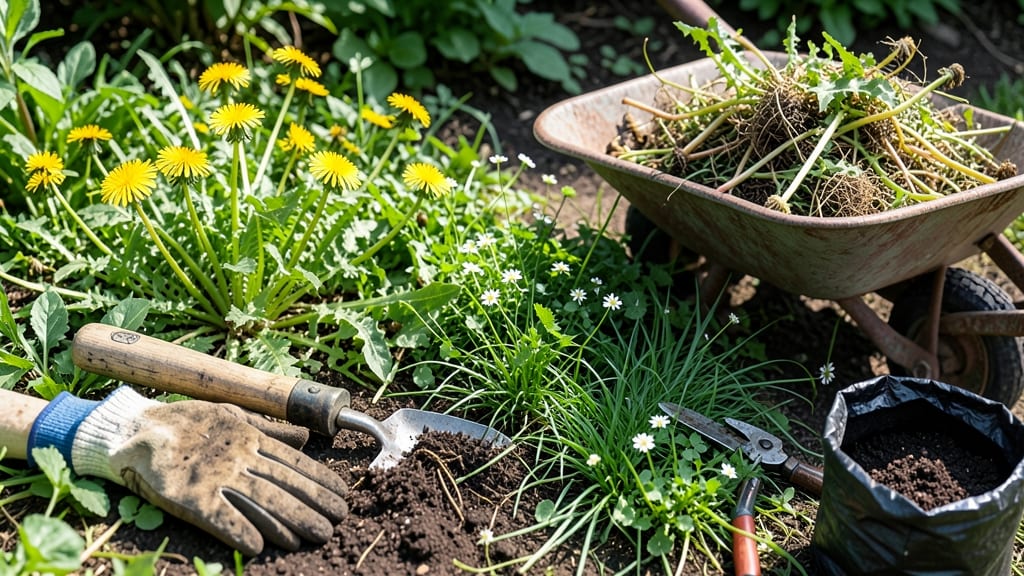
National Weed Your Garden Day encourages gardeners to tackle weeds while embracing spring growth, typically celebrated on the first Saturday in May. Local gardening clubs organize workshops, tool-sharing sessions, and seedling giveaways to foster healthier garden spaces.
This annual celebration isn't just about clearing unwanted plants—it's a strategic approach to boosting plant health by removing competitors for nutrients and water. 🌱 Studies show that weeds can steal up to 50% of a garden's resources, so timing your weeding during this event aligns perfectly with spring's rapid growth phase.
Many communities also use this day to educate about sustainable gardening practices, like composting pulled weeds rather than discarding them.
Beyond individual gardens, the event often expands into community-driven projects, where neighbors collaborate to transform vacant lots or urban green spaces. Local nurseries frequently partner by donating plants or offering discounts, while social media hashtags like #WeedYourGardenDay help spread participation.
The first Saturday in May is the ideal window—early enough to prevent summer heat stress in plants but late enough to see spring blooms reward your efforts.
💡 In This Article
- Why National Weed Your Garden Day Boosts Plant Health
- How to Organize a Local Weed-Out Event in 2024
Why national Weed your garden day boosts plant health
Weeds don't just look unsightly—they're aggressive competitors that can steal up to 50% of your garden's water and nutrients through their extensive root systems. For example, crabgrass spreads horizontally up to 12 inches per season, while dandelions tap into deep soil layers, leaving your prized plants nutrient-starved.
The science behind this is simple: weeds have evolved to grow 2-3 times faster than cultivated plants during spring's rapid growth phase, making early intervention critical.
Timing matters because weeds germinate in response to temperature shifts. Most annual weeds like chickweed and purslane sprout when soil temperatures reach 50-55°F, which typically occurs in late April to early May—right when National Weed Your Garden Day falls.
Removing weeds at this stage prevents them from setting seed (a single dandelion can produce 200 seeds) and disrupts their life cycle before they become established. 🌱 The event's timing also coincides with when your desired plants are just beginning their active growth phase, giving them the best chance to recover from any temporary stress caused by weeding.
Beyond resource competition, weeds create microclimates that attract pests. For instance, dense weed patches retain moisture longer, creating ideal conditions for slugs and fungal diseases like powdery mildew. By clearing weeds during this dedicated day, you're not just improving aesthetics—you're creating a healthier ecosystem for your plants.
Many gardeners also discover that post-weeding, their soil becomes more workable and retains moisture better, thanks to reduced competition for water.
Ecologically, controlled weeding has surprising benefits. When you pull weeds by hand (the preferred method during this event), you're often removing invasive species that would otherwise dominate native plant communities. For example, removing Japanese knotweed—an aggressive invasive—reduces its spread by 70-80% when tackled early.
The event encourages composting pulled weeds (except noxious ones), which returns organic matter to the soil while preventing seed dispersal.
Consider the case of community gardens where participation in this event led to a 40% increase in vegetable yields within one season. The key was consistent weeding combined with mulching techniques demonstrated during workshops.
Mulch suppresses new weed growth by blocking sunlight while retaining soil moisture—something many gardeners adopt after attending these events. The early May timing also allows gardeners to observe which weeds are most problematic in their region, helping them plan more targeted prevention strategies for the rest of the growing season.
What most people don't realize is how weeding affects soil biology. Disturbing weed roots releases nutrients back into the soil, creating a temporary boost for nearby plants. However, over-tilling (a common mistake) can damage beneficial soil microbes.
The event's emphasis on hand-pulling or careful tool use preserves this delicate balance. For instance, using a hula hoe at a 45-degree angle cuts weed roots without disturbing the soil structure beneath. 💫