
Planting
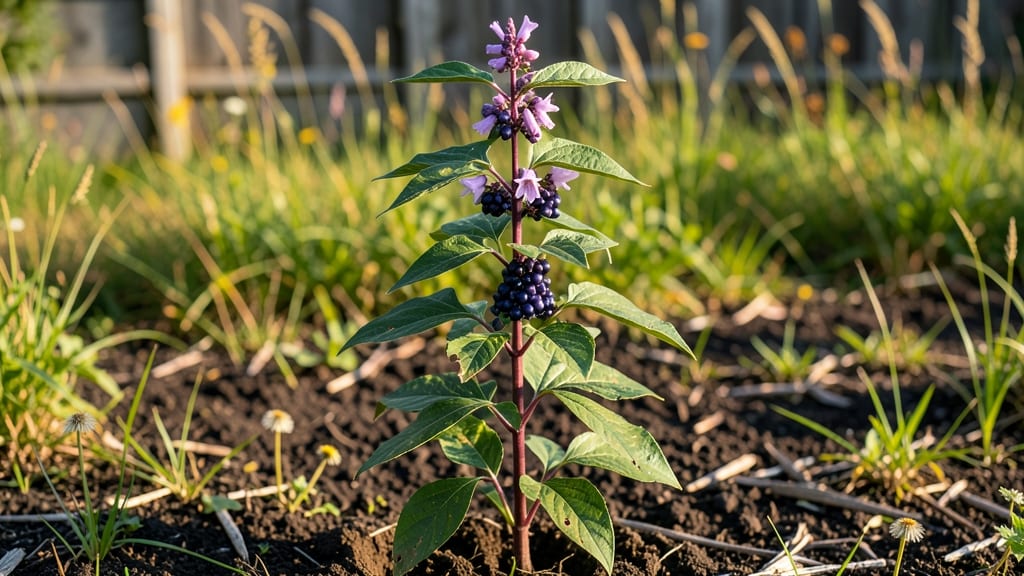
Pokeweed in Michigan is classified as an invasive species under state law, requiring strict removal protocols to prevent ecological damage. Its fast-spreading roots and toxic berries pose serious risks to both wildlife and humans, so proper disposal in sealed bags and protective gear are mandatory.
Michigan's strict regulations on this plant stem from its aggressive growth patterns, which can outcompete native flora and disrupt local ecosystems. The state Department of Natural Resources treats pokeweed as a Class C noxious weed, meaning landowners must control it before it spreads beyond their property.
I've seen firsthand how a single patch can multiply into dense thickets within a season if left unchecked. 🌱 The toxic berries aren't just dangerous to pets—they can also harm birds that mistake them for food, creating a cascading ecological problem.
When removing pokeweed, timing matters most—targeting the plant in early spring or late fall gives you the best chance of eliminating the root system before it becomes too established. I recommend using a combination of manual pulling (with roots intact) and targeted herbicide applications for larger infestations.
Always wear thick gloves and long sleeves, as even the sap can cause skin irritation. The key is persistence: check the area regularly for new shoots, as pokeweed often regrows from dormant roots.
💡 In This Article
- Michigan’s Legal Restrictions on Pokeweed Control
- Step-by-Step Guide to Safely Eradicating Pokeweed
Michigan’s legal restrictions on pokeweed control
Michigan classifies pokeweed (Phytolacca americana) as a Class C noxious weed under the Michigan Invasive Species Law (Part 125), meaning landowners must actively manage it to prevent spread.
The state considers it a primary threat because its extensive root system—capable of extending 10-15 feet deep—can regenerate even from small root fragments. This makes it particularly challenging to eradicate compared to annual weeds, which die back completely each winter. 🌱
The legal framework requires property owners to control pokeweed before it spreads beyond their land, with fines up to $500 per day for non-compliance in severe cases.
Michigan’s Department of Environment, Great Lakes, and Energy (EGLE) mandates reporting for infestations covering more than 100 square feet, triggering inspections and potential enforcement actions.
Unlike some states that focus on agricultural lands, Michigan’s regulations apply to all properties, including residential areas where disturbed soils (like construction sites) create ideal conditions for pokeweed colonization.
What makes enforcement tricky is the plant’s dual nature: while its roots are the primary concern, the purple berries (mature by late summer) contain toxic alkaloids that can cause vomiting, diarrhea, and even seizures if ingested. This dual threat—ecological disruption plus human/pet safety—justifies Michigan’s strict stance.
The state’s Michigan Noxious Weed Act even prohibits transporting pokeweed across county lines without proper containment, treating it like other high-risk invasives such as garlic mustard or phragmites.
For large-scale infestations, EGLE may require certified herbicide applications using glyphosate or triclopyr, which must be applied by licensed professionals. These chemicals target the plant’s vascular system, but timing is critical—spring applications (when the plant is actively growing) are most effective.
The law also prohibits burning pokeweed, as smoke can disperse seeds and toxins, creating additional hazards for neighboring properties. 🔥
Here’s what the law doesn’t cover: ornamental pokeweed (a cultivated variety with sterile flowers) is exempt, but it still requires containment due to its aggressive root system. The confusion arises because some nurseries sell it as a "decorative" plant, unaware of its invasive potential.
Even these varieties can escape cultivation and hybridize with wild types, worsening infestations. Always verify with your local EGLE office before purchasing or planting any pokeweed species.
If you’re dealing with a small patch, Michigan’s regulations focus on preventing spread rather than complete eradication. The key is to remove the entire root system—even a 1-inch root fragment can regrow into a full plant.
For larger areas, consider partnering with your county’s Weed Control District, which often provides free or low-cost treatment programs for invasive species. Their experts can assess whether your situation requires legal reporting or immediate action.