
How To
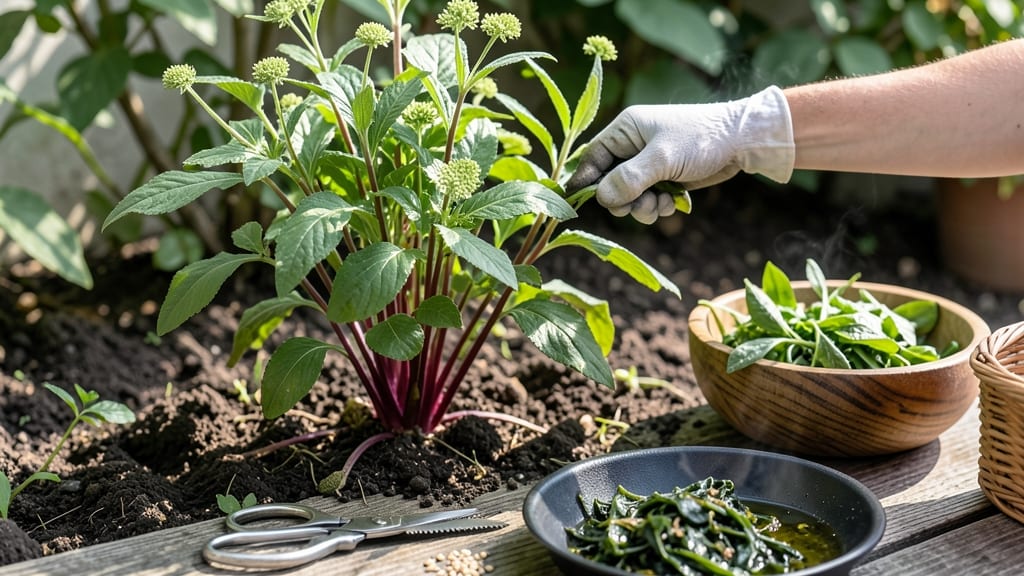
Redroot pigweed is edible when properly identified and prepared, with young leaves and stems safe to eat raw or cooked, but seeds and roots are toxic. Always confirm species and avoid contaminated plants to prevent health risks.
This fast-growing weed is a nutritional powerhouse in many traditional cuisines, packed with iron, calcium, and vitamins A and C when harvested young. 🌱 The key lies in timing—young shoots (under 6 inches tall) are safest for eating, while mature plants develop oxalates that can irritate digestion.
I've used it in place of spinach in sautéed dishes, where its slightly earthy flavor shines when paired with garlic and olive oil.
Never consume the roots or seeds, as they contain toxic compounds that can cause severe stomach upset. Always forage in areas free from pesticides or pollution, and double-check identification using a field guide or expert.
When in doubt, treat it like any wild edible—start with small portions to test your tolerance.
💡 In This Article
- Identifying Edible Redroot Pigweed vs Poisonous Lookalikes
- Harvesting and Cooking Redroot Pigweed Safely
Harvesting and cooking redroot pigweed safely
The edible parts of redroot pigweed are its young leaves and stems, which should be harvested when the plant is under 6 inches tall. At this stage, the leaves are tender with a mild, slightly earthy flavor similar to spinach or Swiss chard.
The key is to pick the top 2-3 inches of growth, as older leaves develop tougher fibers and higher oxalate content, which can irritate your digestive system. 🌿 Mature plants also accumulate nitrates, making them less safe for consumption.
When preparing redroot pigweed, always start by thoroughly washing the leaves and stems under cool running water to remove dirt, insects, or potential contaminants. For raw consumption (like salads), a quick soak in 1 cup of water with 1 tablespoon of vinegar for 10 minutes helps neutralize any lingering oxalates.
If cooking, blanching in boiling water for 2-3 minutes followed by an ice bath softens the texture and reduces oxalate levels further. The cooked flavor is more mellow, with subtle notes of green beans and a hint of sweetness.
This plant thrives in full sun and well-drained soil, often popping up in gardens or disturbed areas. Harvest in the morning after dew has dried to ensure maximum freshness and nutrient content.
Avoid plants growing near roadsides or industrial areas, as they may absorb heavy metals. 🌱 Store harvested greens in an airtight container in the fridge for up to 5 days, or freeze blanched leaves for longer storage.
In the kitchen, redroot pigweed works beautifully in stir-fries, soups, or sautéed dishes. Its texture holds up well when cooked, making it a great substitute for spinach or kale.
Try adding 1 cup of chopped leaves to a pan with garlic, olive oil, and a splash of lemon juice, cooking for 3-4 minutes until just wilted. The flavor pairs exceptionally well with tomatoes, onions, and herbs like cilantro or parsley, adding a unique earthy depth to your meals.
Never consume the roots or seeds—they contain toxic compounds like saponins and oxalates that can cause nausea, vomiting, or even kidney damage in severe cases. The roots also have a deep red taproot (hence the name), which is a dead giveaway when identifying the plant.
Always double-check your identification using a reliable field guide or consult with a local foraging expert before consuming any wild plant.
For those new to foraging, start with small portions (about ½ cup) to test your body's reaction. Some people may experience mild stomach upset due to oxalates, even in young leaves.
If you notice any adverse reactions, discontinue use immediately. 💛 When prepared correctly, redroot pigweed is a nutritious and delicious addition to your meals, offering a taste of nature's bounty right from your backyard or local green spaces.