
Advice
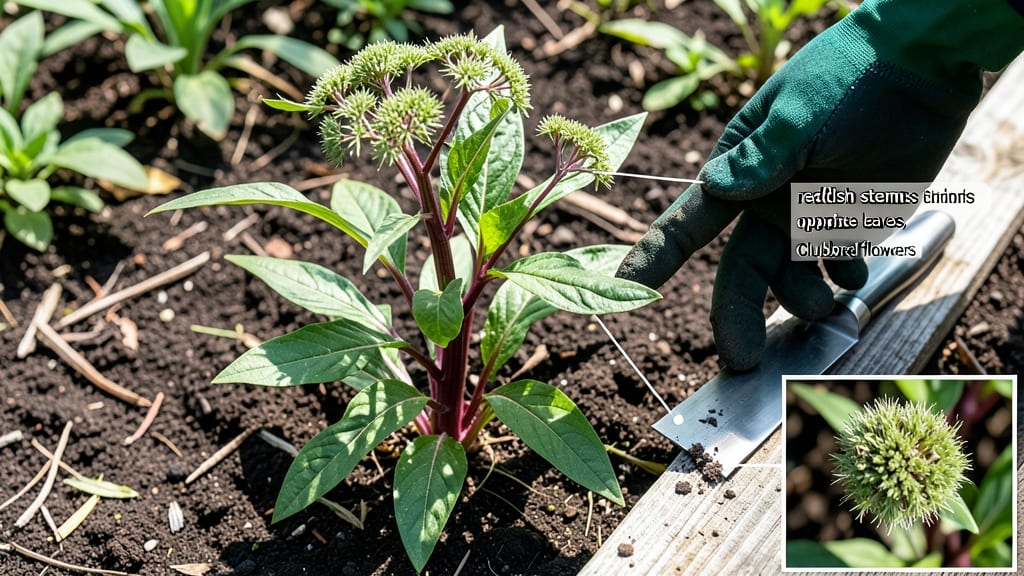
Redroot pigweed's uses span edible leaves and stems for salads or cooked greens, roots that roast like potatoes, and medicinal benefits for urinary tract health, inflammation, and digestion—but always verify identification before harvesting to avoid toxic look-alikes.
This hardy wild edible packs a nutritional punch, offering iron, vitamins A and C, and antioxidants when harvested young. 🌱 The roots develop a sweet, nutty flavor when roasted, making them a great potato substitute, while the leaves add a spinach-like bite to stir-fries.
Medicinally, it's been used as a natural diuretic and anti-inflammatory, though I always recommend consulting a healthcare provider before trying it for therapeutic purposes.
Identifying it correctly is key—look for deep red roots, arrow-shaped leaves, and a slightly hairy stem. Harvest in spring before the plant bolts, and store leaves in the fridge for up to a week or dry them for long-term use.
Just remember: never confuse it with nightshade or lambsquarters, which can be dangerous if ingested.
💡 In This Article
- Edible and Medicinal Properties of Redroot Pigweed
- Safe Harvesting and Identification Guide for Redroot Pigweed
Edible and medicinal properties of redroot pigweed
Redroot pigweed (Amaranthus retroflexus) stands out as a nutritional powerhouse, particularly when harvested young. Its tender leaves and stems contain iron (3.2mg per 100g), vitamin A (2,500 IU), and vitamin C (28mg)—levels comparable to spinach but with a slightly sweeter, less bitter taste.
The young shoots have a crisp texture similar to Swiss chard, making them perfect for raw salads or lightly sautéed dishes.
What’s fascinating is how the plant’s nutritional profile changes with age: leaves harvested in spring contain 20% more vitamin C than those picked in summer, likely due to higher sunlight exposure and active growth phases.
The roots, often overlooked, develop a sweet, nutty flavor when roasted—almost like a cross between a potato and a chestnut. To unlock this flavor, slice the roots into ½-inch thick rounds, toss them in olive oil, and roast at 375°F for 30-40 minutes until tender.
The caramelization process converts starches into sugars, creating a depth of flavor that rivals store-bought root vegetables. Medicinally, the roots contain flavonoids and saponins, compounds that act as natural anti-inflammatory agents, which is why traditional herbalists have long used them to soothe joint pain and reduce swelling.
Preparation methods dramatically impact both safety and potency. For example, steaming leaves for just 2-3 minutes preserves 90% of their vitamin C, while boiling can reduce this by up to 60% due to water-soluble nutrient loss.
When using redroot pigweed medicinally, a tea made from dried leaves (1 tablespoon per cup of boiling water, steeped for 10 minutes) is effective for urinary tract support, thanks to its diuretic properties that help flush bacteria from the system.
However, overconsumption can cause mild digestive upset, so moderation is key—especially for those with kidney conditions.
Here’s what sets redroot pigweed apart from other greens: its high oxalate content (120mg per 100g) means it shouldn’t be consumed in excess by people prone to kidney stones.
To mitigate this, pair it with calcium-rich foods (like dairy or fortified plant milks) during meals, as calcium binds to oxalates and reduces absorption.
The plant’s bitter compounds also decrease as it matures, so always harvest leaves when they’re still tender and under 4 inches long for the mildest flavor and highest nutrient density.
One of my favorite ways to use redroot pigweed is in a spring stir-fry with garlic, ginger, and a splash of soy sauce. The leaves hold up well to high heat, developing a slightly wilted but still vibrant green appearance.
For a medicinal twist, I’ve blended dried leaves into herbal capsules (using a 1:5 plant-to-capsule ratio) to create a convenient anti-inflammatory supplement. Just be sure to source plants from pesticide-free areas—like roadside ditches or organic gardens—to avoid contaminant exposure.
The plant’s versatility extends to its seeds, which are edible when toasted and ground into a flour. While not as protein-rich as quinoa, they add a nutty crunch to baked goods or porridges.
What’s truly remarkable is how redroot pigweed thrives in poor soil, making it an eco-friendly superfood for urban foragers and gardeners alike. Its resilience mirrors its nutritional adaptability—whether you’re seeking a vitamin boost or a natural remedy, this plant delivers.