
Pests
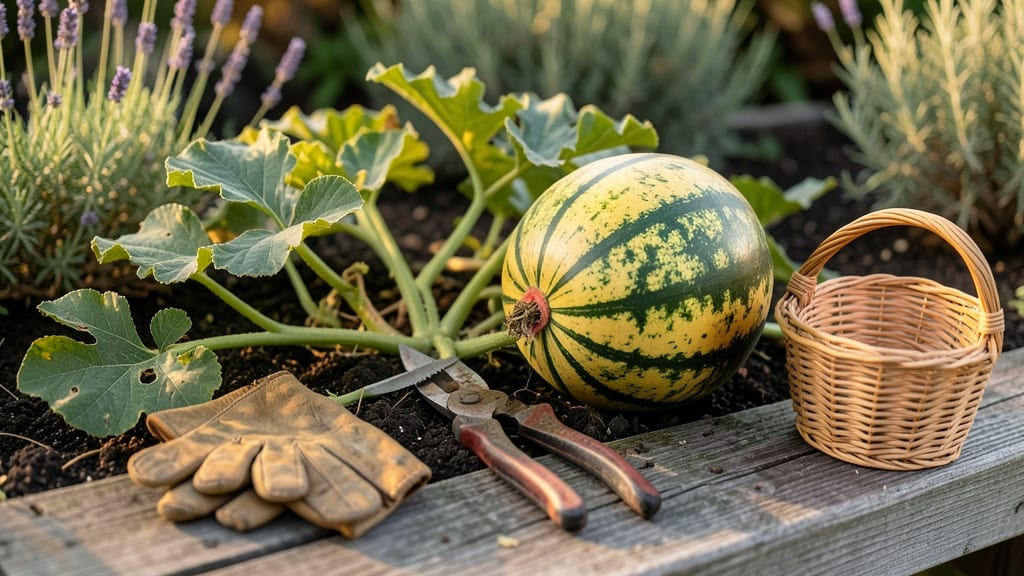
The ripe watermelon stem 🍉 is the secret to unlocking sweet, juicy fruit—if you know what to look for.
Picture this: you’ve been waiting all summer, and now your watermelon is finally ready. But how do you tell if the stem is just right—or if you’re about to cut into a mealy disappointment?
The answer lies in three key signs hidden in plain sight, and missing them could mean the difference between a perfect slice and a sad, flavorless bite.
Most gardeners focus on the watermelon’s rattle or skin color, but the stem tells a story all its own. A dry, brown stem isn’t just a sign of ripeness—it’s proof the fruit has reached peak sweetness.
Meanwhile, a green or damp stem means you’re not quite there yet. Even worse, a stem that’s cracked or rotting could signal trouble, like pests or disease lurking beneath the surface.
In this guide, I’ll walk you through exactly how to read your watermelon’s stem, spot the warning signs, and even troubleshoot common issues before they ruin your harvest. No more guesswork—just sweet, foolproof watermelons every time.

How to check a watermelon stem for ripeness: 3 key visual signs
A watermelon stem that’s ready for harvest tells a story about the fruit’s sweetness and maturity. Unlike other fruits, watermelons don’t ripen further after picking, so the stem’s condition is your best clue.
Ignore it at your own risk—overripe melons turn mushy, while underripe ones stay bland. Here’s how to read the stem’s signals like a pro.
Don’t assume all watermelons follow the same rules. Regional climates and varietal differences can alter stem appearance. For example, seedless varieties often have slightly different drying patterns than heirloom types. Always cross-check the stem with other ripeness cues, like skin color and fruit weight, for accuracy.
- 1 Dry, Brown Stem: A fully dried stem (not just slightly wilted) is the gold standard. The stem should snap easily and feel papery to the touch. If it’s still green or moist, the melon needs more time. Pro Tip: In hot climates, stems dry faster—check for readiness earlier in the season.
- 2 Cracked or Split Stem: Tiny cracks or splits along the stem indicate the fruit has absorbed maximum water and sugars. This is a positive sign, but avoid melons with deep splits—they may have internal damage. Common in humid regions where stems soften before drying.
- 3 Natural Detachment: The stem should separate cleanly from the vine with minimal force. If it tears or resists, the melon isn’t ready. Forced detachment (yanking or cutting) can bruise the fruit. In cooler climates, stems may stay attached longer—wait until the vine itself starts to yellow.
The color transition of the stem is your first checkpoint. A ripe watermelon stem starts as green but gradually turns tan or brown as it dries. This color shift isn’t just cosmetic—it signals the fruit’s sugar concentration has peaked.
In arid regions, this process happens in as little as 3–5 days, while humid zones may take 7–10 days.
Texture matters just as much as color. Run your thumb over the stem: a ripe one should feel dry and brittle, almost like parchment paper. If it’s still slightly moist or flexible, the melon lacks full flavor.
Pay extra attention to the stem’s base, where it meets the fruit—this area often dries first and is the most reliable indicator.
Regional growing conditions can trick even experienced gardeners. For instance, desert-grown watermelons often develop thicker, faster-drying stems due to intense sun exposure, while northern climates produce stems that stay lighter in color and take longer to dry. Always adjust your expectations based on your local microclimate.
One common mistake? Assuming a detached stem always means ripeness. Some watermelons naturally drop their stems before reaching peak sweetness, especially in windy areas. To avoid disappointment, combine the stem check with the "thump test": a ripe watermelon sounds hollow when tapped near the stem.
For home gardeners, mark your harvest-ready melons with a chalk dot when the stem turns brown. This prevents accidental harvesting too early. Store marked melons in a cool, dry place (50–55°F) to preserve sweetness.
If the stem was green or moist at harvest, refrigerate the melon to slow ripening—it may still sweeten slightly over 3–5 days.
Remember: the stem’s signals are most reliable when paired with other cues. A heavy fruit with a dull, creamy-colored underside and a dry stem is your ticket to perfectly sweet watermelon. Trust the stem, but don’t ignore the rest of the fruit’s story.
Watermelon stem vs. vine: why the attachment matters more than you think
When you spot a watermelon in your garden, the first thing you check is often the stem. But here’s the catch: the vine’s attachment can reveal just as much—or more—about ripeness than the stem alone.
A naturally detached stem is one thing, but a forcibly removed vine tells a completely different story about how the fruit was handled.
Many gardeners assume a dry, brown stem means a ripe watermelon, but that’s only half the story. The way the stem separates from the vine matters just as much. If the stem pulls away cleanly with a slight twist, that’s nature’s signal.
But if it snaps or tears, you might be dealing with immature fruit or even disease stress.
🚨
A naturally detached stem (dry, brown, and crisp) means the watermelon is ready to harvest. But if the stem tears or the vine is still attached, the fruit may be underripe or stressed. Always check the vine’s attachment point—if it’s green or moist, the melon isn’t fully ripe yet.
The vine’s attachment is your secret weapon for avoiding mealy or bitter watermelons. A ripe watermelon’s stem should separate easily from the vine, leaving a clean break. If the vine is still green or flexible at the attachment point, the fruit needs more time.
This is where many gardeners go wrong—they assume a dry stem means ripeness, but the vine’s condition tells the real story.
I’ve made this mistake myself—picking a watermelon with a dry stem but a still-attached vine, only to find it underripe. The vine’s flexibility and color are just as important as the stem’s texture. A fully ripe watermelon’s vine should feel dry and papery near the fruit, not green or rubbery.
Another common error? Assuming all watermelons detach the same way. Some varieties, like sugar babies, have thinner stems that detach easily, while larger varieties may need a firmer twist. Always gently twist the stem—if it resists, the melon isn’t ready.
And if the vine snaps instead of separating cleanly, that’s a red flag for poor ripeness or pest damage.
Pro tip: Pair the stem and vine check with the thump test. A ripe watermelon sounds hollow when tapped, while an underripe one has a dull thud. Combine these methods for foolproof ripeness every time.
The vine’s attachment might seem like a small detail, but it’s your best indicator of whether that watermelon is truly ready to pick.