
Pruning
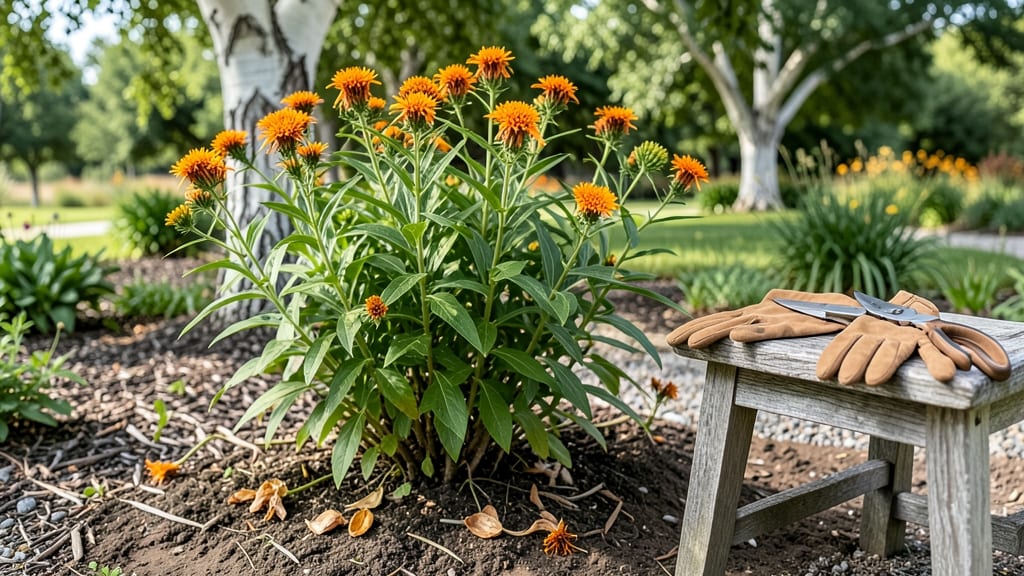
Whether you should cut back butterfly weed in the fall depends on your garden goals—pruning dead stems after frost keeps your landscape neat, while leaving seed heads supports pollinators and adds winter interest.
Butterfly weed (Asclepias tuberosa) is a hardy perennial that naturally slows growth in winter, making fall pruning a matter of preference rather than necessity. 🌿 The plant’s seed pods remain viable until frost, so cutting too early can reduce next year’s blooms.
I recommend waiting until late fall—after the first hard freeze—when stems turn brown and brittle. This timing ensures you remove dead growth without harming the root system or disrupting the plant’s dormancy cycle.
For gardeners who prioritize tidiness, shearing back stems to ground level with clean pruners creates a cleaner look while preventing disease buildup. However, leaving seed heads standing provides food for migrating birds and supports monarch butterfly larvae.
If you’re unsure, I suggest pruning just the dead stems while preserving a few seed pods for ecological benefits.
💡 In This Article
- Butterfly Weed Growth Cycle and Fall Pruning Science
- Step-by-Step Fall Pruning Guide for Butterfly Weed
Butterfly weed growth cycle and fall pruning science
Butterfly weed (Asclepias tuberosa) enters dormancy as temperatures drop below 50°F, but its growth cycle doesn't end until after the first hard frost. The plant's deep taproot system stores energy for spring regrowth, making it resilient to cold.
When frost hits, the above-ground stems die back naturally, but the roots remain active until soil temperatures drop below 32°F. This dormancy period is crucial—pruning too early can stimulate new growth that won't survive winter, while waiting too long risks leaving dead stems that harbor pests.
The seed pods, which remain viable until frost, contain up to 200 seeds per pod and provide essential food for migrating birds and monarch butterfly larvae. These pods contain cardiac glycosides, which make them toxic to most herbivores but perfectly safe for pollinators.
The pods' papery texture and vertical orientation make them highly visible to birds, which explains why leaving them standing benefits local ecosystems. If you prune before frost, you remove these ecological food sources—something to consider if you're supporting native wildlife.
Timing your pruning matters because butterfly weed's regrowth depends on stored root energy. Cutting stems after frost (typically in November-December in most US zones) ensures the plant has fully transitioned to dormancy. Early pruning can stress the roots, leading to weaker spring growth.
The plant's natural cycle shows that it's designed to handle winter with minimal intervention—this is why many gardeners choose to leave it standing until spring, when new growth emerges from the roots.
Here's what happens if you prune at different times:
- Pre-frost pruning: Stimulates weak regrowth that dies back in cold, wastes stored energy
- Post-frost pruning: Removes dead stems cleanly, prevents disease buildup, maintains tidy appearance
- Spring pruning: Removes last year's dead growth but may miss some stems—best for late winter cleanup
The plant's perennial nature means it can handle either approach, but post-frost pruning aligns with its natural cycle. The key is to never cut more than ⅓ of the plant's foliage at once, as this can stress the root system.
Butterfly weed's ability to regenerate from its roots makes it one of the most resilient native perennials for gardeners who want low-maintenance beauty.
For those collecting seeds, wait until pods turn brown and begin splitting open—this usually happens 2-4 weeks after frost.
The seeds inside are lightweight and easily dispersed by wind, which is why monarch butterflies rely on them for their life cycle. 🌱 If you're not collecting seeds, pruning after this window ensures you remove all dead material while still supporting pollinators through the winter months.