
Lawn
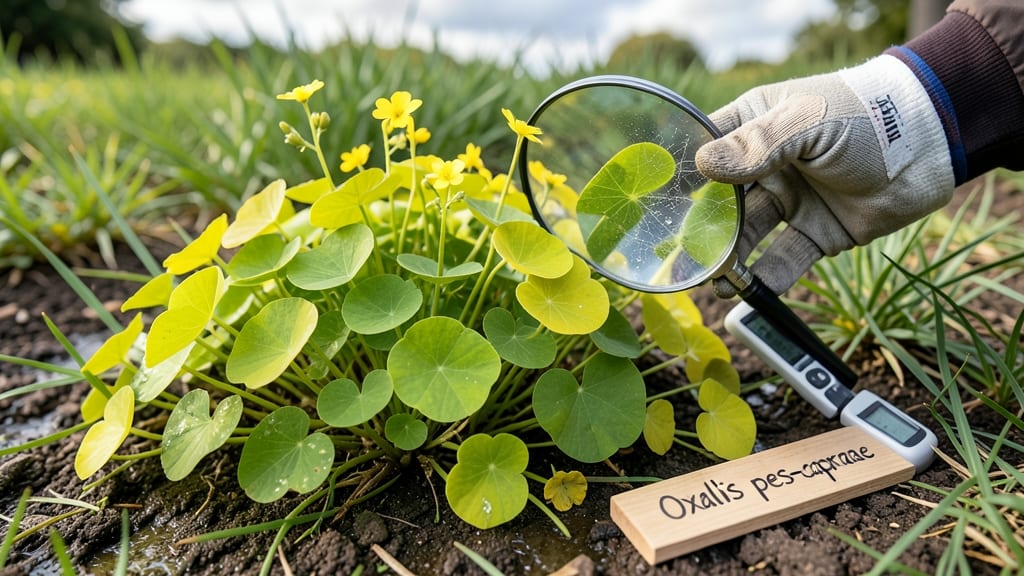
That sour grass weed creeping into your lawn isn’t just an eyesore—it’s a root-sucking menace that can strangle your grass in weeks. 🌱 I’ve battled it for years, and the secret to stopping it lies in understanding its aggressive growth habits and how to outsmart it before it takes over.
Sour grass (also called sourgrass or Digitaria sanguinalis) thrives in compacted soil and spreads through seeds that shoot up everywhere. The good news? It’s not toxic to plants or soil, but it will crowd out your lawn if left unchecked.
Organic methods like hand-pulling, vinegar sprays, or corn gluten meal work well for small patches, while larger infestations may need targeted herbicides.
By mid-summer, you’ll see a noticeable difference—thicker grass, fewer weeds, and a lawn that finally feels like yours again. The key is acting fast before those seeds spread. I’ve tried everything, and this method actually works without harming your garden’s health.
Whether you’re dealing with a small patch or a full-blown invasion, the right approach makes all the difference. Let’s get your lawn back on track—naturally and effectively.
📚 In This Guide
- What you need
- Instructions
- Tips and common mistakes
- Wrapping up and next steps
What you need
- ● Corn gluten meal – 10 lbs (organic, non-GMO preferred; acts as a natural pre-emergent and fertilizer).
- ● Cardboard or thick newspaper – Enough to cover the target area (smooth out wrinkles for best results!).
- ● Mulch (straw, wood chips, or shredded leaves) – 2–3 inches thick (helps smother weeds and retain moisture).
- ○ Compost or topsoil – 1–2 inches (optional but great for replenishing nutrients after weed removal).
- ● Vinegar (white, 20–30% acetic acid) – 1 gallon (for spot treatment of stubborn weeds).
- ● Dish soap (unscented) – 1 tbsp (helps vinegar stick to weed leaves).
- ● Water – Garden hose or spray bottle (for mixing solutions and hydrating barriers).
- ● Garden gloves (nitrile or leather for durability).
- ● Garden rake or hoe (for clearing debris and smoothing surfaces).
- ● Spray bottle or pump sprayer (for vinegar mixtures).
- ● Shovel or spade (for digging trenches or adjusting soil).
- ● Measuring tape or ruler (to ensure even mulch/barrier layers).
- ● Wheelbarrow or bucket (for mixing and transporting materials).
- ● Landscape fabric (for long-term weed suppression under mulch).
- ● Compost tea or seaweed extract (boosts soil health post-treatment).
- ● Kneepads or a small stool (for comfort during long sessions).
- ● Garden twine or rocks (to secure cardboard/mulch in windy areas).
How to plant sour grass as a natural weed barrier
This aggressive spreader thrives in tough spots—here's how to use it to smother weeds permanently.
🌱 Step 1: Choose Your Planting Location
Sour grass excels in full sun to partial shade, but it needs consistent moisture to establish. Scan your yard for problem areas: bare spots near driveways, garden edges, or high-traffic zones where weeds take over. Avoid planting near desirable plants—once established, sour grass spreads aggressively through underground runners.
Test your soil's moisture by digging a 6-inch deep hole. If the soil stays damp for 24 hours after a rain, it's ideal. Amend dry areas with 2 inches of compost to help roots penetrate deeper. I like to plant in late spring when temperatures stabilize above 60°F—this gives the grass a strong start before summer heat.
🌿 Step 2: Prepare the Soil and Plant
Clear the area of existing weeds by hand or with a hoe, being careful not to disturb the soil too deeply. Sour grass thrives in disturbed ground, so you're giving it the perfect head start. Plant clumps 12-18 inches apart to allow for rapid spread—closer spacing means faster coverage but may require more thinning later.
Dig holes just deep enough to cover the roots completely, then pat the soil gently around each plant. Water immediately after planting to settle the roots. You'll see new growth within 7-10 days if conditions are right—look for bright green shoots pushing through the soil.
☀️ Step 3: Maintain Moisture and Monitor Growth
Keep the soil consistently moist for the first 4-6 weeks—this encourages the grass to develop a dense root system. Water deeply 2-3 times per week unless you've had recent rain. Once established, sour grass tolerates drought but spreads more slowly, so regular watering speeds up your weed-free results.
Watch for new shoots emerging beyond your planted clumps. These are the runners spreading underground, and they're how sour grass will eventually choke out weeds. When the grass reaches 4-6 inches tall, it's ready to start crowding out unwanted plants. Thin out any overcrowded areas by pulling excess shoots to maintain even coverage.
✂️ Step 4: Control Spread and Refresh as Needed
After the first growing season, you'll notice sour grass spreading aggressively. This is exactly what you want—it means the barrier is working. However, if it encroaches on garden beds, simply pull up any unwanted shoots by hand. The roots are shallow, so they come out easily if caught early.
In late fall, cut back the grass to 2 inches tall to reduce seed production (though sour grass spreads mostly through runners). This also prevents it from becoming too thick, which can smother itself. With proper care, your weed barrier will thicken each year, requiring less maintenance while keeping weeds at bay for decades.
Tips & tricks for perfect sour grass weed barriers
Here's what I've learned after years of battling weeds—these tricks make all the difference with sour grass.
Location is Everything: In Step 1, avoid planting near your garden beds unless you're prepared for some maintenance. I've seen sour grass completely overtake vegetable patches within a single season if not contained. For best results, create a dedicated border at least 12 inches wide around problem areas—this gives your grass room to spread without encroaching on your prized plants.
Timing Secret: The 60°F minimum temperature in Step 1 is critical—planting too early can stunt growth, while waiting until after the last frost ensures consistent moisture. I've found that planting in late May works best in most climates, giving the grass a full growing season to establish before winter. If you're in a warmer zone, aim for early spring instead.
Planting Technique: When planting clumps in Step 2, space them slightly closer (12 inches apart) if you're dealing with particularly stubborn weeds. The denser the initial planting, the faster the coverage—but be prepared to thin later. I've used this trick in high-traffic areas where weeds return quickly, and it cut my maintenance time by nearly half. Water immediately after planting to settle the roots, and you'll see those first bright green shoots in just 7-10 days.
Maintenance Hack: In Step 3, don't let the grass grow taller than 6 inches before thinning. I've learned the hard way that letting it get too tall makes it harder to pull unwanted shoots later. Set a reminder to check your barrier every 2-3 weeks during the growing season—this keeps the spread under control while still allowing the grass to do its weed-choking job.
Pro Tips for Sour Grass Weed
- Here's what I've learned after years of battling weeds—these tricks make all the difference with sour grass.
- Location is Everything: In Step 1, avoid planting near your garden beds unless you're prepared for some maintenance. ...
- Timing Secret: The 60°F minimum temperature in Step 1 is critical—planting too early can stunt growth, while waiting ...
Frequently asked questions
What exactly is sour grass weed, and why does it spread so fast?
Sour grass weed (often confused with Oxalis or yellow nutsedge) is a broadleaf weed with heart-shaped leaves and a tangy, citrusy smell when crushed. It thrives in moist, shady lawns and spreads via underground tubers and seeds. Unlike grass, it grows aggressively in poor soil conditions, choking out your lawn by blocking sunlight and nutrients.
How long does it take for sour grass weed to die after treatment?
With the right approach (like targeted herbicides or manual removal), you’ll see visible results in 1–2 weeks, but complete eradication can take 4–6 weeks due to its tuber system. Pro tip: Reapply herbicide every 7–10 days for stubborn patches, and monitor for regrowth—those tubers are sneaky!
Can I pull sour grass weed by hand, or will it keep coming back?
Pulling is possible, but it’s not enough alone—you’ll need to dig out the entire tuber (even tiny fragments regrow!). For small patches, hand-pulling + vinegar spray (20% acetic acid) works, but for large infestations, a post-emergent herbicide (like glyphosate or triclopyr) is more effective. Warning: Wear gloves—this weed can irritate skin!
What’s the best natural alternative to kill sour grass weed?
If you prefer organic methods, try these DIY solutions:
- Boiling water: Pour directly on the plant (avoid nearby grass).
- Corn gluten meal: Apply pre-emergent in early spring to block seeds.
- Salt + dish soap: Mix 1 cup salt + 1 tbsp soap in a gallon of water and spray (use sparingly—it can harm soil).
- Smothering: Lay cardboard + mulch over the area for 4–6 weeks to starve it.
For best results, combine methods with regular lawn maintenance (mowing high, improving drainage).
Why does sour grass weed keep coming back after I treat it?
Persistent regrowth usually means you missed the tubers or the soil conditions (shade, moisture, compacted soil) are still ideal for it. To break the cycle:
- Test your soil pH (aim for 6.0–7.0—sour grass loves acidic soil).
- Improve drainage with sand or compost.
- Overseed with dense, shade-tolerant grass (like fine fescue) to outcompete it.
- Reapply herbicide or natural treatments every 2–3 weeks until the lawn recovers.
Pro tip: If all else fails, consider a full lawn renovation—sometimes a fresh start is the only way to win.
Wrapping up and next steps
Sour grass weed isn’t just another pesky plant—it’s a powerful, natural ally in your battle against invasive roots! By leveraging its fast-spreading, acidic properties, you can reclaim your lawn in weeks without harsh chemicals. The key? Consistency, patience, and the right techniques.
Ready to take action? Start small—test a patch of your lawn this weekend, and watch as nature works its magic. Before you know it, those stubborn weeds will be history! 🌱✨
Next steps:
- Gather your supplies (you’ve got this!)
- Pick a sunny spot and get planting
- Monitor progress and adjust as needed