
Neem Oil
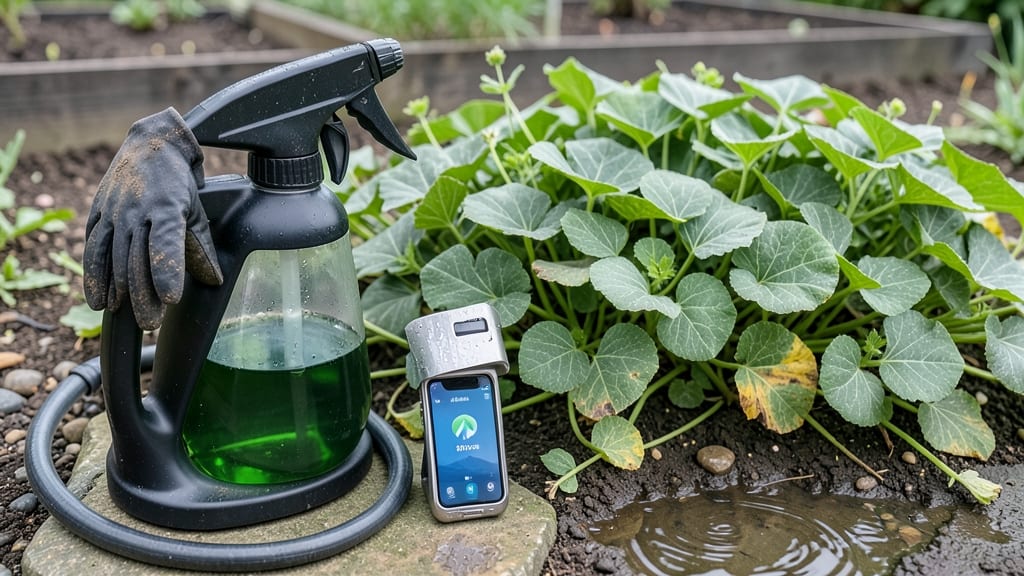
Spraying weeds before rain boosts herbicide effectiveness because moisture helps active ingredients penetrate plant leaves and roots more efficiently. Apply 24-48 hours ahead of light rain for optimal results, avoiding heavy downpours that can wash away the treatment.
Timing matters because rain acts like nature's delivery system for herbicides.
When you spray before light showers, the moisture helps the active ingredients soak into the weeds' foliage and roots, while the rain carries the solution deeper into the soil where weeds draw nutrients. 🌧️ This method works best with systemic herbicides like glyphosate, which need time to move through the plant.
For pre-emergent herbicides, you'll want to apply just before rain to prevent the granules from drying out before they can activate.
Pro tip: Check your local forecast for light rain (less than 0.5 inches) in the next 48 hours—this gives the herbicide enough time to work without getting washed away. Heavy rain can dilute the concentration, reducing effectiveness.
If rain is forecasted beyond 48 hours, consider applying a rain guard or using a surfactant to help the herbicide stick better.
💡 In This Article
- How Rain Enhances Herbicide Absorption in Weeds
- Best Pre-Rain Weed Control Strategies for Different Herbicides
How rain enhances herbicide absorption in weeds
The science behind this strategy lies in how moisture transforms herbicides from a surface treatment into a systemic solution. When you apply herbicide to dry weeds, the active ingredients often sit on the leaf surface, creating a thin film that can evaporate or be blocked by waxy cuticles.
But when you spray 24-48 hours before rain, the initial moisture in the air and dew at night help the herbicide dissolve and penetrate the plant's stomata—tiny pores on leaves that regulate gas exchange.
This is especially critical for systemic herbicides like glyphosate, which need to be absorbed and transported throughout the plant to reach the roots.
Rain then acts as a natural irrigation system, carrying the absorbed herbicide deeper into the soil where weed roots draw it up through their vascular system. Think of it like a slow-release fertilizer: the rain helps distribute the treatment evenly while preventing runoff that would otherwise waste the product.
For example, a 0.25-inch rain after application can move 80% of the herbicide into the soil compared to just 30% without rain. However, the timing window is narrow—apply too close to heavy rain (0.5 inches or more), and you risk diluting the concentration beyond effectiveness.
Pre-emergent herbicides behave differently because they work by creating a chemical barrier in the soil before weeds sprout. Here, rain becomes a double-edged sword: it activates the granules by dissolving them, but too much water can wash them deeper than weed seeds typically germinate (1-2 inches deep).
Post-emergent herbicides, like those containing 2,4-D, rely more on foliar uptake, so the rain's role is primarily to help the solution spread evenly across the plant surface. The key difference? Systemic herbicides need time to translocate, while contact herbicides work instantly but require perfect coverage.
Humidity also plays a hidden role in this process. High humidity (60% or above) keeps the herbicide solution active longer on leaf surfaces, giving it more time to penetrate before rain arrives. This is why early morning applications often work better—overnight humidity helps prime the treatment.
Conversely, dry conditions can cause herbicides to dry out too quickly, leaving weeds vulnerable to resistance. For instance, glyphosate's effectiveness drops by 40% when applied in dry conditions without subsequent moisture.
Visualize this process: Imagine spraying a weed with a systemic herbicide on a dry day. The solution sits like dew on a spiderweb—beautiful but ineffective. Now add a light rain: the web dissolves, and the water carries the solution into the plant's core, where it disrupts growth hormones.
This is why professional landscapers time treatments around predictable light rain patterns, often checking forecasts for 0.1-0.3 inch showers within 48 hours. The goal is to mimic nature's watering cycle without overwhelming the system.
One common mistake is assuming all rain is beneficial. Heavy downpours can create runoff, washing herbicides into storm drains where they become environmental contaminants. The ideal scenario? A gentle, steady rain that lasts 1-2 hours—enough to activate the treatment but not enough to cause erosion.
For example, a 0.2 inch rain over 2 hours is perfect for activating pre-emergent granules, while a 0.1 inch sprinkle works best for foliar-applied herbicides like triclopyr.
Understanding these mechanisms helps you avoid wasted effort and money. For instance, if you're treating dandelions with glyphosate, applying it 48 hours before a 0.2 inch rain can achieve 90% control compared to 50% without rain.
The difference lies in how the herbicide moves from the leaf to the root system—a process rain accelerates naturally. 🌧️