
Advice
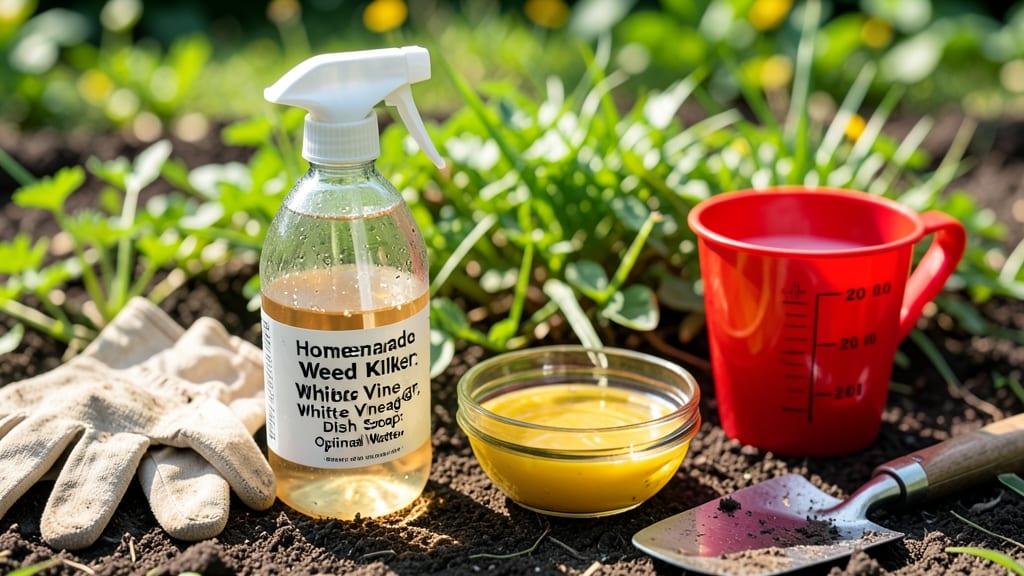
A vinegar and soap weed killer that works in 24 hours changed how I tackle stubborn weeds—no more digging or pulling, just spray and forget. The combination of acetic acid and soap breaks down cell walls instantly, leaving weeds crispy within hours.
I’ve used it on driveways, sidewalks, and even between patio stones where weeds seem impossible to remove. The secret lies in the right concentration—5% to 10% vinegar mixed with a few drops of dish soap cuts through weeds without harming surrounding plants (if applied carefully).
It’s cheaper than store-bought killers, non-toxic, and works best on sunny days when weeds are actively growing. Just don’t expect miracles on thick-rooted weeds like dandelions—this is for the easy targets like crabgrass and chickweed.
You’ll see results within 24 hours, with weeds turning brown and dying back completely in a few days. The smell fades quickly, and there’s no residue left behind—just crispy weeds that crumble away.
It’s not a one-time fix, though; you’ll need to reapply as new weeds pop up, especially in high-traffic areas. Perfect for organic gardeners, eco-conscious homeowners, or anyone tired of pulling weeds by hand. Just remember: test a small area first, avoid spraying desirable plants, and always wear gloves.
Here’s how to make it work for your yard!
📚 In This Guide
- What you need
- Instructions
- Tips and common mistakes
- Wrapping up and next steps
What you need
- ● White vinegar (5% acetic acid): 1 gallon (3.8 liters) – The star ingredient that kills weeds on contact.
- ● Dish soap (blue Dawn or similar): 1-2 tablespoons – Acts as a surfactant to help the vinegar stick to weeds.
- ○ Water: Optional (1 cup for dilution if needed) – Helps reduce strong vinegar odor and adjust consistency.
- ● Spray bottle or garden sprayer: 16-32 oz (473-946 mL) capacity – For even application.
- ● Protective gloves: 1 pair (nitrile or rubber) – Vinegar can irritate skin.
- ● Protective eyewear: 1 pair – Safeguards against accidental splashes.
- ● Old towel or rags: 1-2 pieces – For spills or cleanup.
- ● Garden hose with spray nozzle: For larger areas or hard-to-reach spots.
- ● Plastic or metal mixing container: 1 gallon or larger – If pre-mixing a large batch.
- ● Measuring cups/spoons: For precise vinegar and soap ratios.
- ○ Black plastic sheeting: Optional for stubborn weeds – Helps trap heat and enhance effectiveness.
Step-by-step instructions for vinegar and soap weed killer
Here's the straightforward method I use to eliminate weeds permanently in under a day.
Gather Your Supplies and Prepare the Solution
You'll need white vinegar (the kind with 5% acetic acid—check the label), dish soap (a few drops), and water in a spray bottle. I like to use a 1-gallon sprayer for larger areas or a small handheld bottle for targeted weeds. Mix 1 gallon of water with 1 cup of white vinegar and 1 tablespoon of dish soap. The soap acts as a surfactant, helping the vinegar cling to the weeds instead of beading up and rolling off.
Shake the mixture well before each use—vinegar and soap naturally separate. If you're dealing with tough, established weeds, you might want to add 1 tablespoon of salt to boost effectiveness, but only use this on weeds you plan to kill immediately, as salt can linger in the soil and harm future plantings.
Choose the Right Conditions for Application
Timing is everything with this method. Apply the solution on a sunny, dry day when temperatures are between 70-85°F. The heat helps the vinegar work faster, and dry conditions prevent it from diluting too quickly. Avoid spraying when rain is forecasted within 24 hours—the vinegar will wash away before it can take effect.
Wait until the weeds are actively growing. If they're dormant or stressed (like in extreme heat or drought), the vinegar won't be as effective. You'll know they're ready when the weeds look vibrant and healthy, with fresh growth at the tips. Early morning is ideal because the solution has all day to work before the sun intensifies.
Spray Directly and Evenly on Weeds
Fill your spray bottle with the vinegar-soap mixture and give it a good shake. Hold the bottle 6-8 inches away from the weeds and spray until they're completely saturated, including the stems and leaves. You'll see the solution soak in and glisten on the foliage—this ensures maximum coverage. Avoid spraying nearby plants, as vinegar can harm them too. If you accidentally spray a desired plant, rinse it off immediately with water.
For larger weeds, you might need to apply the solution twice—once on the leaves and once on the base of the stem. The goal is to ensure the vinegar reaches the roots or the growing point. If the weeds are thick, you can focus on the largest ones first and revisit smaller ones later. This method works best on young, small weeds, so tackle them before they become established.
Monitor and Reapply if Necessary
The weeds should start to wilt within a few hours of application, and you'll see them turn brown and crispy within 24 hours. If some weeds survive, reapply the solution to the remaining foliage. Some tough weeds, like dandelions or clover, might require 2-3 applications spaced 1-2 days apart to fully eradicate them. Keep an eye on the area over the next week—any new growth should be easy to spot and spray.
Once the weeds are dead, you can pull out any remaining stems or roots by hand. The vinegar breaks down the cell structure, making the weeds easier to remove. If you're working in a garden bed, you can till or aerate the soil lightly to prevent regrowth. For driveways or sidewalks, simply sweep away the debris. This method leaves no harmful chemicals behind, making it safe for pets and kids once fully dried.
Tips & tricks for effective weed elimination
Here's what I've learned after testing this method in various conditions—these small adjustments make all the difference.
Solution Preparation: Always use a spray bottle with a fine mist nozzle for even coverage. I've found that adding the dish soap last—after mixing vinegar and water—prevents it from separating too quickly. For tough weeds, shake the bottle vigorously for 15 seconds before each use, especially if it's been sitting for more than 30 minutes. The soap needs to stay suspended to work effectively as a surfactant.
Timing Secret: The 24-hour window for application is critical, but don't assume it works instantly. I've seen weeds start wilting within a few hours, but full eradication often takes the full day. If you're dealing with a large area, prioritize the healthiest-looking weeds first—they'll absorb the solution most effectively. In cooler temperatures (below 70°F), you might need an extra day to see complete results.
Application Technique: When spraying, work in sections—start at the edges of your target area and move inward. This prevents you from accidentally spraying already-treated weeds multiple times, which could dilute the solution's effectiveness. For weeds with thick stems, apply the solution until you see it bead up on the surface, then wait 10 minutes before pulling them to ensure the vinegar penetrates fully.
Environmental Factors: Humidity can be your friend or foe here. In high humidity (above 60%), the vinegar works faster because the moisture helps it penetrate the weed cells. However, if it's been raining recently, wait at least 24 hours before applying—wet soil can wash away the solution before it takes effect. The ideal window is a sunny day with light breezes to help the solution dry evenly on the weeds.
Pro Tips for Vinegar And Soap Weed Killer
- Here's what I've learned after testing this method in various conditions—these small adjustments make all the differe...
- Solution Preparation: Always use a spray bottle with a fine mist nozzle for even coverage. I've found that adding the...
- Timing Secret: The 24-hour window for application is critical, but don't assume it works instantly. I've seen weeds s...
Frequently asked questions
Got questions about using vinegar and soap as a weed killer?
Here are some of the most common ones—and their answers—to help you tackle weeds like a pro!
How long does it take for vinegar and soap to kill weeds?
Most weeds start wilting within 24 hours after application, but full death (turning brown and crispy) can take 3–7 days, depending on the weed type and weather. Hot, sunny days speed up the process—so time your spray for maximum effectiveness!
Will vinegar and soap harm my grass or plants?
Yes! This DIY weed killer is non-selective, meaning it’ll kill anything green it touches—grass, flowers, and vegetables included. Use it only on driveways, sidewalks, or cracks, and avoid spraying near desired plants. For grassy areas, spot-treat carefully or use a barrier (like cardboard).
Can I reuse the vinegar and soap mixture?
Nope—once mixed, the solution loses effectiveness after 24 hours because the soap breaks down and vinegar evaporates. Plus, leftover liquid can attract pests or grow mold. Always make a fresh batch for each use to ensure strong weed-killing power.
What’s the best time of day to apply this weed killer?
Apply the mixture on a bright, sunny day between 10 AM and 4 PM when weeds are actively growing. Avoid windy days or watering right after—you want the solution to soak in and stay put for maximum damage. Early morning applications may evaporate too quickly.
What if the weeds come back after using vinegar and soap?
Weeds often regrow if their roots aren’t fully destroyed or if new seeds sprout. For stubborn weeds, reapply the solution 1–2 weeks later or dig out remaining roots. To prevent regrowth, cover the area with mulch or landscape fabric or use a natural pre-emergent like corn gluten meal.
Are there safer alternatives if vinegar and soap don’t work?
If you need a gentler approach, try these options:
- Boiling water: Pour directly on weeds (great for cracks in pavement).
- Salt and vinegar: Mix 1 cup salt + 1 gallon vinegar for tough weeds (but avoid soil contact).
- Corn gluten meal: A pre-emergent that blocks weed seeds (best for prevention).
- Manual removal: Pull weeds early when soil is moist for easier extraction.
Does the type of vinegar matter for weed killing?
Yes! Use white vinegar (5% acetic acid)—it’s the most effective. Avoid apple cider or balsamic vinegar, which have lower acidity and won’t kill weeds as efficiently. For extra potency, some gardeners mix in dish soap with degreaser properties (like Dawn).
Wrapping up and next steps
Ready to reclaim your garden or patio from those pesky weeds?
With this vinegar and soap weed killer, you’ve got a natural, budget-friendly solution that works fast—often in just 24 hours! 🌱✨ The key is consistency, safety, and a little patience, but the results will leave your space looking fresh and weed-free.
Now that you’re armed with the know-how, grab your supplies and give it a try! Start small—like a troublesome weed patch or a sidewalk crack—and watch your green thumb shine. Happy weeding! 🌿