
Lawn
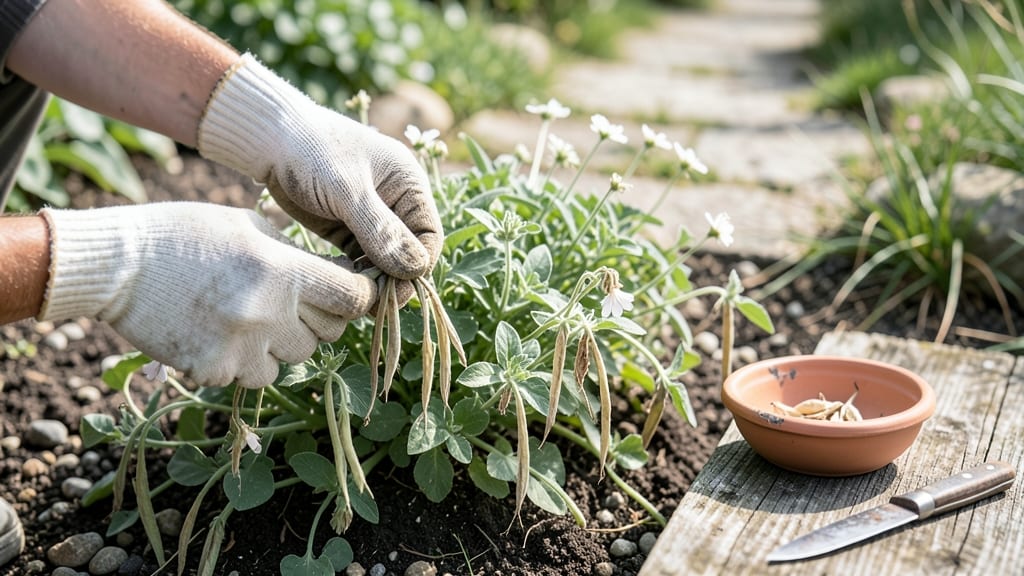
Determining whether Virginia pepperweed is edible is critical—this plant is not safe to eat, as its leaves, stems, and seeds contain dangerous glucosinolates and cyanogenic compounds that can trigger severe nausea, vomiting, or even liver damage in both humans and animals. Handling it requires extreme caution, ideally with expert botanical confirmation.
Virginia pepperweed's toxicity stems from its chemical defense system, which produces compounds that disrupt digestion and liver function. 🌱 Even small amounts can cause symptoms like dizziness or respiratory distress, making accidental ingestion particularly risky for children or livestock.
Unlike some edible wild greens, this plant offers no safe parts—roots, flowers, or seeds are equally hazardous.
What often leads to confusion is its resemblance to harmless wild mustard or peppergrass, which some foragers might mistake for edible alternatives. Always double-check with a field guide or local botanist before consuming any unfamiliar plant.
In my experience, even experienced foragers occasionally misidentify pepperweed, so when in doubt, it's better to avoid consumption entirely.
For those interested in edible wild plants, focus on well-documented species like dandelion greens or purslane—both are nutritious and widely recognized as safe. When foraging, I recommend starting with easily identifiable plants and gradually expanding your knowledge with verified resources.
💡 In This Article
- Toxic Compounds in Virginia Pepperweed and Their Health Risks
- Safe Alternatives: Edible Plants Mistaken for Virginia Pepperweed
Toxic compounds in Virginia pepperweed and their health risks
Virginia pepperweed (Lepidium virginicum) contains two primary classes of toxins that make it dangerous: glucosinolates and cyanogenic glycosides. The glucosinolates, like glucotropaeolin, break down into isothiocyanates—compounds that irritate the digestive tract and can trigger severe nausea within 30-60 minutes of ingestion.
These chemicals are also responsible for the plant's pungent, bitter aroma, which serves as a natural deterrent to herbivores but doesn't stop human curiosity. 🔥
The cyanogenic glycosides, such as progoitrin, release hydrogen cyanide when metabolized, affecting cellular respiration. A single 10-gram serving (about 2 tablespoons of leaves) can produce enough cyanide to cause symptoms like dizziness, headache, or even respiratory distress in sensitive individuals.
What's alarming is that these toxins aren't heat-stable—cooking doesn't neutralize them, so boiling or frying doesn't make pepperweed safe. The liver bears the brunt of the damage as it attempts to detoxify these compounds, which is why prolonged exposure can lead to more severe complications.
Symptoms of pepperweed poisoning typically appear within 1-6 hours and may include vomiting, diarrhea, abdominal cramps, and weakness. In rare but serious cases, cyanide poisoning can cause rapid breathing, confusion, or even loss of consciousness. Children are particularly vulnerable due to their lower body weight and developing detoxification systems.
Livestock grazing on pepperweed can suffer similar effects, with reports of reduced milk production in dairy cows and weight loss in sheep. 💛
Misidentification is the primary risk factor. Virginia pepperweed resembles edible plants like wild mustard (Brassica kaber) or peppergrass (Lepidium sativum), which have a similar leaf structure but lack the toxic compounds.
The key difference lies in the plant's overall growth habit—pepperweed has a more upright, branching stem and produces small, round seed pods that resemble tiny mustard seeds.
Always cross-reference with a field guide or consult a local botanist before consuming any wild plant, especially if it has a bitter taste or strong odor.
For those interested in foraging, focus on plants with well-documented edible histories, such as dandelion greens or purslane. These alternatives provide nutritional benefits without the risks. When in doubt, I recommend the "two-person rule"—have an experienced forager verify any unfamiliar plant before consumption.
Even then, it's wise to prepare only small amounts as a test meal to monitor for adverse reactions. 🌟
If accidental ingestion occurs, seek medical attention immediately. Activated charcoal may help bind some toxins in the digestive tract, but professional treatment is essential for severe cases. Keep pepperweed out of gardens and pastures by regularly monitoring for its presence and removing it before it goes to seed.
Prevention is the safest approach when dealing with this toxic plant.