
Neem Oil
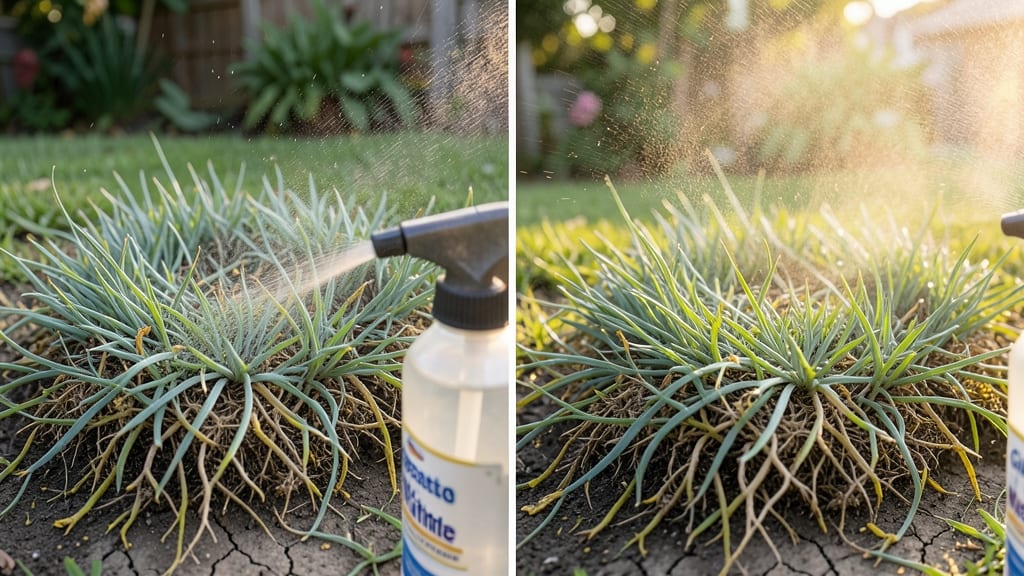
Rain can wash away weed killer effectiveness, especially for pre-emergent herbicides that lose potency within 24–48 hours, while post-emergent sprays degrade faster if exposed to moisture. Always reapply once the ground dries to maintain weed control.
Understanding how rain impacts your weed killer depends on the type you're using.
Pre-emergent herbicides create a protective barrier in the soil, but heavy rain can wash them away before they even take effect. 🌧️ Post-emergent sprays, on the other hand, work by direct contact with weeds, so rainfall after application can dilute their concentration and reduce effectiveness.
The key is timing—wait until the soil is completely dry and weeds are actively growing before reapplying.
For best results, consider using rain-resistant formulations or applying weed killer during dry weather forecasts. If you're dealing with persistent weeds, a combination of pre-emergent and post-emergent treatments may be necessary for long-term control. Always check the product label for specific instructions on reapplication timing.
💡 In This Article
- How Rain Affects Pre-Emergent vs Post-Emergent Weed Killers
- Best Practices for Reapplying Weed Killer After Rain
How rain affects pre-emergent vs post-emergent weed killers
Pre-emergent herbicides work by creating a chemical barrier in the top layer of soil, preventing weed seeds from germinating. The active ingredients—like pendimethalin or trifluralin—form a protective layer that dissolves slowly over weeks. When rain hits, it physically washes away this layer, exposing the soil to potential weed growth.
A single heavy rainfall can reduce effectiveness by up to 70% within 24 hours, as the water disrupts the herbicide's molecular structure and carries it deeper into the soil where it can't inhibit seed germination.
Post-emergent sprays take a different approach, targeting weeds that have already sprouted. These herbicides—such as glyphosate or 2,4-D—work through direct contact, either by killing foliage on contact (contact herbicides) or being absorbed and transported throughout the plant (systemic herbicides).
Rainfall after application can dilute the concentration on leaf surfaces, reducing absorption. For example, a 0.5-inch rainfall within 4 hours of applying a post-emergent spray can wash away 30-50% of the active ingredient, leaving weeds vulnerable to regrowth.
The timing of rain matters most here—applications made in the evening or just before forecasted rain have the highest failure rates.
What makes this even more complex is how soil composition plays a role. Clay-heavy soils hold water longer, extending the washout period for pre-emergents, while sandy soils drain quickly but also allow herbicides to leach deeper, away from weed seeds.
For post-emergents, wind can spread rain droplets unevenly, creating "missed spots" where weeds survive. This is why some professional landscapers use adjuvants—like non-ionic surfactants—to help herbicides adhere better to plant surfaces and resist rain dilution. 🌧️
The science behind these differences lies in the herbicides' chemical properties. Pre-emergents rely on hydrophobic (water-repelling) compounds that need to stay in the top 1-2 inches of soil. Rain disrupts this by dissolving and moving the chemicals downward.
Post-emergents, however, depend on plant uptake, which is directly impacted by how quickly rain washes the active ingredient off leaves. For instance, glyphosate requires at least 6-8 hours of dry conditions after application to ensure proper absorption—any rain within that window can render it ineffective.
Seasonal patterns also influence how rain affects weed control. Spring showers often coincide with peak weed germination, making pre-emergent applications particularly vulnerable. In contrast, summer rains might dilute post-emergent sprays but also provide the moisture weeds need to grow, creating a feedback loop where control becomes harder to maintain.
Understanding these seasonal dynamics helps gardeners and landscapers plan their applications around weather forecasts rather than reacting to rain after the fact.
One often-overlooked factor is the pH of rainwater. Acidic rain (pH <5.6) can chemically degrade some herbicides faster than neutral rain, while alkaline rain might accelerate the breakdown of others. This is why products with built-in stabilizers—like certain granular formulations—perform better in unpredictable weather. For example, a stabilized pre-emergent might retain 50% of its effectiveness after 48 hours of rain, compared to 10% for standard formulations. 💧