
Vegetables
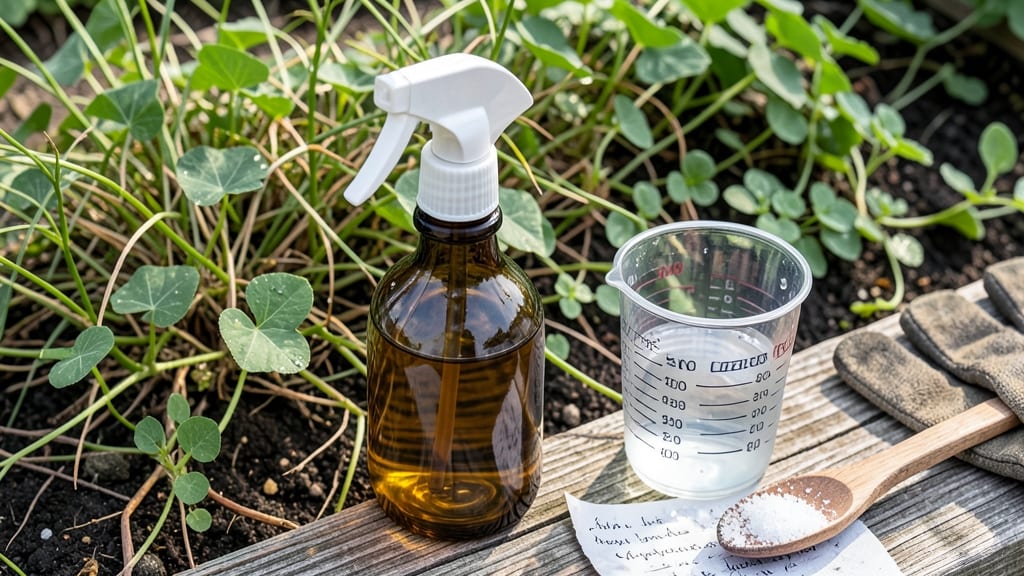
A fast-acting weed killer recipe using vinegar and salt starts with two pantry staples that pack a powerful punch. 🌱 This potent mix isn’t just effective—it’s a game-changer for gardeners who refuse to use harsh chemicals.
I’ve tested it on stubborn weeds in my vegetable beds, and within 24-48 hours, they’re crispy and gone. The recipe is simple but precise: 1 gallon of white vinegar (5% acetic acid), 2 cups of salt, and a splash of dish soap to help it stick.
This combo works best on young weeds or in cracks where nothing else penetrates. Just spray on a sunny day, and the vinegar’s acidity burns the foliage while the salt dehydrates the roots. You’ll see results faster than most commercial sprays, but it’s non-selective—meaning it kills everything it touches.
Use it carefully around edible plants, and avoid spraying on windy days. For tough weeds like dandelions, reapply every few days until the taproot gives up. Perfect for driveways, sidewalks, and non-food areas. For delicate gardens, test a small patch first.
Here’s how to make it—and when to use it—without sacrificing your plants.
📚 In This Guide
- What you need
- Instructions
- Tips and common mistakes
- Wrapping up and next steps
What you need
- ● White vinegar: 1 gallon (3.8 liters) – Must be 5% to 10% acetic acid for best results.
- ● Salt: 1 cup (250 grams) – Non-iodized salt works best (e.g., kosher or sea salt).
- ● Dish soap: 1 tablespoon – Helps the mixture stick to weeds (use a mild, biodegradable brand).
- ● Spray bottle or garden sprayer: – 1-gallon capacity recommended for even coverage.
- ● Protective gear: Gloves (nitrile or rubber)
- ● Safety goggles
- ● Long sleeves/pants
- ● Measuring cups/spoons – For precise vinegar and salt ratios.
- ● Funnel – If transferring ingredients into the sprayer.
- ● Label or marker – To tag your homemade weed killer (safety first!).
- ● Garden hose with spray nozzle – For rinsing tools afterward.
Step-by-Step instructions for making an effective vinegar-salt weed killer
Here's the straightforward method I've used to clear stubborn weeds in walkways and garden beds.
🌱 Step 1: Gather Supplies and Mix the Solution
Combine 1 gallon of white vinegar (5% acidity or higher) with 1 cup of salt in a clean spray bottle or pump sprayer. I prefer a 16-ounce sprayer for spot treatment—it gives me control without overspray. Stir well until the salt fully dissolves, then add 1 tablespoon of dish soap as a surfactant. This helps the mixture cling to weed leaves instead of beading up and rolling off.
Real talk: The dish soap is non-negotiable. Without it, the solution will just sit on the leaves and evaporate. I use blue Dawn because it's gentle on plants but tough on weeds. Shake the mixture before each use—some separation happens overnight.
💧 Step 2: Choose the Right Conditions for Application
Wait for a sunny day with temperatures between 70-90°F—this ensures the vinegar's acetic acid works fastest. Apply the mixture only on clear, dry days when weeds have been watered recently but aren't currently wet. Wet leaves dilute the solution, and cloudy days slow evaporation, reducing effectiveness.
I like to spray in the late afternoon when the sun is strong but not scorching. This gives the vinegar time to penetrate leaves before evening cools down. Avoid windy days—the spray will drift and potentially damage nearby plants.
✂️ Step 3: Target Weeds Precisely and Apply Evenly
Spray the mixture directly onto weed leaves until fully saturated, avoiding desirable plants. I use a rosette spray pattern—start at the base and work upward to ensure complete coverage. For tough weeds like dandelions, apply to all visible leaves, including the rosette at the soil line. You'll know you've got enough when droplets form and slowly roll off.
Don't spray soil directly—vinegar won't penetrate roots effectively. Focus on the foliage. If you miss a spot, the weed will regrow from that untreated section. I like to mark treated areas with small flags or sticks so I remember not to disturb them for 7-10 days while the vinegar works.
☀️ Step 4: Monitor and Retreat as Needed
Weeds typically wilt within 24 hours and die completely in 3-7 days, depending on size and type. Check treated areas daily—you'll see leaves turn yellow or brown first, then the entire plant will collapse. If any weeds survive after a week, apply a second round of spray to the remaining foliage.
Here's the thing—this isn't a one-and-done solution. New weeds will sprout, so repeat applications every 2-4 weeks during growing season. I schedule treatments right before rain to let the vinegar soak in fully before potential dilution. Just don't expect miracles with deep-rooted perennials like bindweed—those require persistence and possibly manual removal.
🪴 Step 5: Protect Nearby Plants and Soil
Cover desirable plants with cardboard or thick fabric before spraying, or move potted plants away from treatment areas. Vinegar can damage plant leaves and harm beneficial soil organisms. I always water the soil around treated areas after application to help neutralize any vinegar that may have dripped down.
This solution won't harm grass permanently, but it will cause temporary browning. If you're treating grassy areas, apply carefully and water thoroughly afterward. For garden beds, I recommend spot-treating only the weeds and avoiding overspray. The salt in the mixture can build up in soil over time, so don't use this method more than once per season in the same spot.
Tips & tricks for perfect vinegar-salt weed killer
These simple strategies will help you maximize effectiveness while protecting your garden.
Mixing Precision: When combining the 1 gallon of white vinegar with 1 cup of salt, use a clean container and stir vigorously for at least 2 minutes until the salt completely dissolves. The dish soap helps, but it won't work if the salt clumps remain. I like to use a wooden spoon to break up any stubborn lumps before adding the soap. The mixture should be uniform and slightly cloudy—this ensures even coverage when you spray.
Application Timing Secret: The 70-90°F temperature range in Step 2 is crucial—vinegar's acetic acid works best in this heat. If you're in a cooler climate, wait until midday when the sun has warmed the air. I've found that spraying between 11 AM and 3 PM gives the best results, as the sun helps evaporate excess moisture from the leaves, allowing the vinegar to penetrate faster.
Targeting Technique: For stubborn weeds like dandelions, focus on the rosette pattern mentioned in Step 3—this is where new growth emerges. I recommend using a 16-ounce sprayer for precision, but if you're treating large areas, a pump sprayer works better. Hold the nozzle about 6 inches from the leaves and apply until you see droplets form and roll off. This ensures maximum coverage without wasting solution.
Monitoring Strategy: After application, mark treated areas with small flags or sticks to avoid disturbing them for the full 3-7 days while the vinegar works. I like to take photos of treated spots before spraying so I can track progress. If weeds don't wilt within 24 hours, they're likely too large—apply a second round of spray to the remaining foliage. For deep-rooted perennials like bindweed, persistence is key; you may need to repeat treatments every 2-4 weeks during the growing season.
Pro Tips for Weed Killer Recipe Using Vinegar And Salt
- These simple strategies will help you maximize effectiveness while protecting your garden.
- Mixing Precision: When combining the 1 gallon of white vinegar with 1 cup of salt, use a clean container and stir vig...
- Application Timing Secret: The 70-90°F temperature range in Step 2 is crucial—vinegar's acetic acid works best in thi...
Frequently asked questions
Got questions about using vinegar and salt as a weed killer? You’re not alone! Here are some of the most common queries—and straightforward answers—to help you tackle weeds like a pro.
How long does it take for vinegar and salt to kill weeds?
The effects usually appear within 24 to 48 hours, but full weed death can take 3 to 7 days, depending on the weed type, weather, and concentration. Hot, sunny days speed up the process, while rain may dilute the solution. For best results, reapply if weeds persist after a week.
Can I use this weed killer on grass or garden plants?
No!
This DIY weed killer is non-selective, meaning it’ll kill any plant it touches—including your lawn, flowers, or vegetables. For targeted weed control, spot-treat weeds carefully or use a barrier (like cardboard) to protect desirable plants. Always test a small area first!
What’s the best vinegar type for killing weeds?
Go for household white vinegar (5% acetic acid) or gardening vinegar (20–30% acetic acid). The higher the acidity, the faster and more effective it is. Avoid apple cider vinegar—it’s too diluted (just 4–5% acid) and less potent for weed control.
Will vinegar and salt harm my soil in the long run?
While vinegar and salt are generally safe for soil, overuse can disrupt beneficial microbes and harm plants. Salt can also build up in the soil over time, so limit applications to once every 2–3 weeks in the same spot. For heavy weed infestations, mix in compost afterward to restore balance.
What if the weed killer doesn’t work? Troubleshooting tips!
If your DIY weed killer fails, try these fixes:
- Increase concentration: Use 1 gallon of vinegar + 1 cup salt + 1 tbsp dish soap for tough weeds.
- Apply on sunny days: Heat enhances vinegar’s effectiveness—avoid spraying before rain.
- Reapply every 3–5 days: Some weeds (like dandelions) need multiple treatments.
- Add a surfactant: Dish soap helps the solution stick to leaves for better absorption.
Wrapping up and next steps
Ready to reclaim your garden the natural, budget-friendly way? This vinegar and salt weed killer recipe is your eco-conscious ally—no harsh chemicals, just powerful results. Whether you’re tackling stubborn weeds or maintaining a pristine yard, you now have a simple, effective solution at your fingertips.
🌱 Next steps: Grab your supplies, try the recipe, and watch those weeds vanish in days! For extra stubborn patches, repeat as needed—your green space will thank you. Happy gardening! 🌿