
Plants
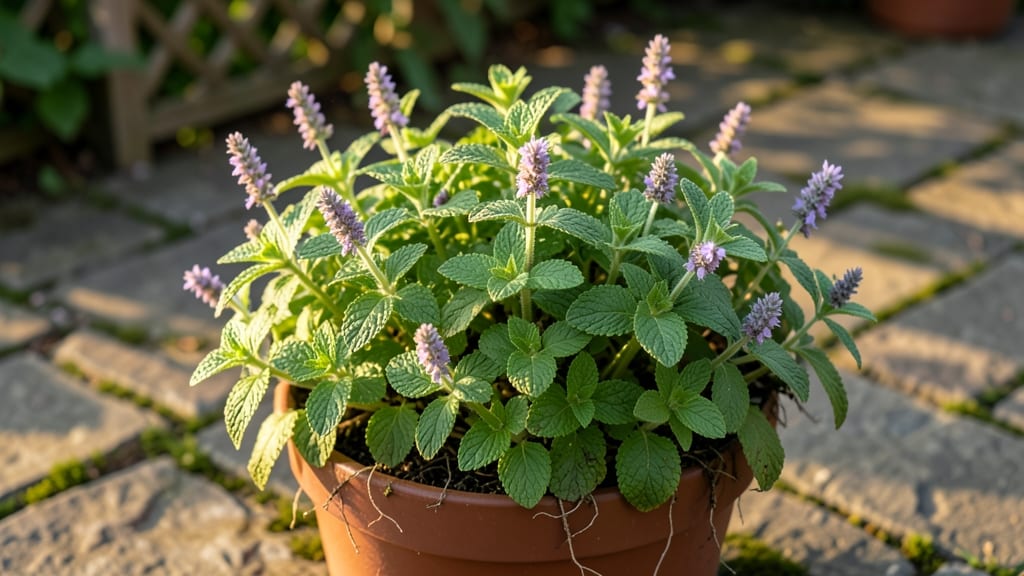
Weeds that smell like mint include wild pennyroyal, wild bergamot, and wild oregano, all of which are edible and prized for their aromatic leaves and culinary versatility. Identify them carefully before harvesting to avoid toxic look-alikes like poison hemlock.
These fragrant plants aren't just for gardens—they're culinary powerhouses with distinct flavors that elevate dishes. 🌿 Wild pennyroyal has a sharp, almost medicinal mint taste perfect for teas or pestos, while wild bergamot offers citrusy notes that brighten desserts.
Wild oregano, with its earthy warmth, works beautifully in marinades or as a meat rub. The key to safe harvesting lies in their triangular leaves (pennyroyal) or fuzzy stems (bergamot), which distinguish them from deadly mimics like poison hemlock.
To use them properly, harvest leaves before flowering for maximum potency, then dry them in bundles away from direct sunlight. Start with small amounts—just 1-2 teaspoons per dish—to avoid overpowering flavors.
Always confirm identification with a field guide or local foraging expert before consumption, as even edible varieties can cause stomach upset if consumed in excess.
💡 In This Article
- Identifying Mint-Scented Edible Weeds vs Toxic Look-Alikes
- Culinary Uses for Wild Minty Weeds in Cooking and Tea Blends
Identifying mint-scented edible weeds vs toxic look-alikes
The key to safely identifying these aromatic weeds lies in their leaf structure and growth habits. Wild pennyroyal (Mentha pulegium) features small, opposite leaves with a distinctive triangular shape and serrated edges, growing in dense mats along streams.
Its stems are square and hairless, while its flowers form tight purple spikes. 🌿 The scent is strong and medicinally minty, but excessive consumption can cause liver strain—so moderation is crucial.
Wild bergamot (Monarda fistulosa), also called bee balm, stands taller (2-4 feet) with fuzzy, lance-shaped leaves arranged in whorls around the stem. Its square stems and purple flower clusters set it apart from toxic mimics.
The leaves release a citrusy-mint aroma when crushed, perfect for teas. Poison hemlock (Conium maculatum), a deadly look-alike, has finely divided leaves and purple-spotted stems—never confuse the two!
Wild oregano (Origanum vulgare) grows low to the ground with small, oval leaves that release a warm, earthy scent when rubbed. Its square stems and tiny white flowers distinguish it from other mint-family plants.
The critical difference from toxic water hemlock (Cicuta) is the leaf arrangement—wild oregano's leaves grow in opposite pairs, while hemlock's are alternate and fern-like.
Always perform the "squeeze test": crush a leaf between your fingers. Edible varieties will release a pleasant minty or citrus aroma, while toxic plants often smell musty or have no distinctive scent.
Growth location matters too—wild pennyroyal thrives in damp areas, while wild oregano prefers dry, sunny spots. 🌱 When in doubt, consult a local foraging guide or use a plant identification app.
Visual memory aids help too: imagine a "triangle" for pennyroyal's leaves, "fuzz" for bergamot's stems, and "opposite pairs" for oregano. These patterns create mental shortcuts for quick field identification. The most dangerous mimics, like hemlock, often grow in similar habitats, so always examine multiple plants before harvesting.
Seasonal timing also plays a role—harvest wild minty weeds in late spring to early summer when leaves are most potent and before flowering begins. This timing ensures maximum aromatic oils while avoiding potential seed contamination. Always harvest from unpolluted areas away from roads or agricultural fields.