
Companion Plants
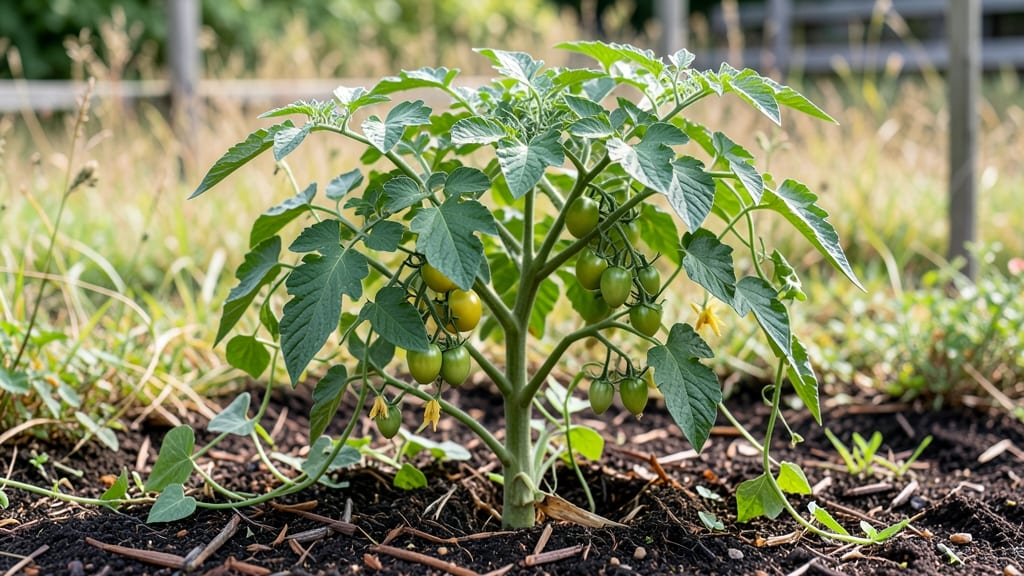
Weeds that wrap around plants like morning glory vines or bindweed choke them by blocking sunlight and nutrients. Spot them by their spiral stems and heart-shaped leaves, then pull them by hand or cover with thick mulch to keep your garden healthy.
These aggressive climbers don't just look pretty—they compete fiercely for resources, wrapping tightly around stems and cutting off air and water to your prized plants. 🌱 The real danger lies in their deep root systems, which can spread underground for years, making complete eradication tricky.
I've seen bindweed, in particular, outcompete tomatoes and cucumbers in just a few weeks, so early action is key.
For removal, timing matters most—target these weeds before they flower, or you'll end up with thousands of new seeds. A vine puller or sturdy gloves make manual extraction easier, while a thick layer of cardboard or straw mulch suffocates them over time.
Pro tip: Never compost these weeds, as their seeds can survive the process.
💡 In This Article
- How Twining Weeds Smother and Damage Plants
- Safe Removal Methods for Twining Weeds Without Harming Soil
How twining weeds smother and damage plants
These invasive vines work like biological tape—tightening their grip around plant stems to cut off essential resources.
Morning glory and bindweed, for example, use a specialized leaf structure called tendrils that spiral around stems with up to 10 pounds of pressure per square inch—enough to snap delicate plant stems over time.
The real damage happens when they block 90% of sunlight to your plants, forcing them into a survival mode that diverts energy from fruit production to leaf growth.
The root systems make matters worse. Bindweed, in particular, develops a deep, creeping root network that can spread 15-20 feet horizontally while growing just 1-2 feet deep. These roots absorb water and nutrients meant for your garden plants, creating a nutrient vacuum.
What's more alarming is their seed production: a single bindweed plant can release 1,000-2,000 seeds per season, many of which remain viable in the soil for 5-10 years.
Even the leaf structure plays a role in their dominance. Twining weeds like morning glory have broad, heart-shaped leaves that create dense canopies, trapping moisture against plant surfaces. This creates ideal conditions for fungal diseases like powdery mildew, which can further weaken your garden plants.
The combination of physical strangulation, light deprivation, and disease pressure explains why these weeds can reduce crop yields by up to 70% in severe infestations.
What most gardeners don't realize is how quickly these weeds spread. Bindweed, for instance, can grow 6-10 inches per day under optimal conditions, while morning glory vines can climb 15 feet in a single season.
Their aggressive growth rate means what starts as a small vine can become an unmanageable tangle in just 4-6 weeks. The key to controlling them lies in understanding their growth patterns—targeting young plants before they establish their root systems gives you the best chance of removal.
Consider the case of bindweed in vegetable gardens: I've seen it completely overtake tomato plants by August, leaving only a few small fruits while the vines dominate the trellis. The damage isn't just aesthetic—it's physiological.
When these vines wrap around stems, they create pressure points that restrict water transport through the plant's vascular system, similar to how a tourniquet cuts off blood flow. This physiological stress makes plants more susceptible to pests and diseases, creating a vicious cycle of decline.
Their seed dispersal strategies are equally insidious. Many twining weeds produce seeds that stick to clothing, animal fur, and garden tools, ensuring widespread distribution. Some even use explosive seed pods that can launch seeds 10-15 feet away when mature.
This explains why you might find these weeds appearing in new areas of your garden seemingly overnight.
Understanding these mechanisms helps explain why conventional tilling often fails—it can actually spread the roots and seeds further. The solution requires a multi-pronged approach that targets both the above-ground vines and below-ground roots simultaneously. 🌱